Apple HomeView, the company’s 7-inch home display built around Siri AI, went on sale on November 13, 2026. Apple sells it for $299 in the U.S. in two versions, a tabletop model and a wall-mounted one, and it is not available in the European Union.
Apple first showed HomeView on October 13, when pre-orders opened. Its November 13 update confirms the device is now in Apple Store locations, on the Apple Store online and in the Apple Store app in selected countries.
Where and for how much
Customers in Australia, Canada, India, New Zealand, Singapore, the UK and the U.S. can buy it now, Apple says. Both versions cost $299 in the U.S.
| Tabletop | Wall mounted | |
|---|---|---|
| U.S. price | $299 | $299 |
| Colors | silver, starlight, rose pink, space gray | silver, space gray |
| Extra hardware | color-matched USB-C cable | one of three Schneider Home mounts |
The wall-mounted model needs a mount from Schneider Home. The Power Mount USB-C Wall Connector starts at $59.95 and the Power Mount AC Wired at $79.95, both on sale now. A Power Mount PoE Wired version is due in early 2027 at $129.95.
Apple says HomeView is not sold in the EU because Siri AI is not currently available in iOS there, and that it is “working constructively with the EU in an attempt to find a path forward.” Siri AI on HomeView works in English in the seven launch countries plus South Africa. Canadian French support will come later in a free software update.
What the device does
HomeView is a 7-inch Liquid Retina display on a domed speaker base, running Siri AI, the new version of Siri that Apple describes as more conversational and able to answer questions about what is on screen. It plays music, makes FaceTime calls, shows calendars and reminders and controls smart home accessories through the Home app, including Matter devices. The Home Camera face can show up to nine camera feeds at once.
Without a paired iPhone, Siri AI on HomeView still answers general questions. With an Apple Intelligence-enabled iPhone or iPad, it can also draw on a user’s Calendar, Messages and other apps and take actions across them.
How it keeps a household’s data apart
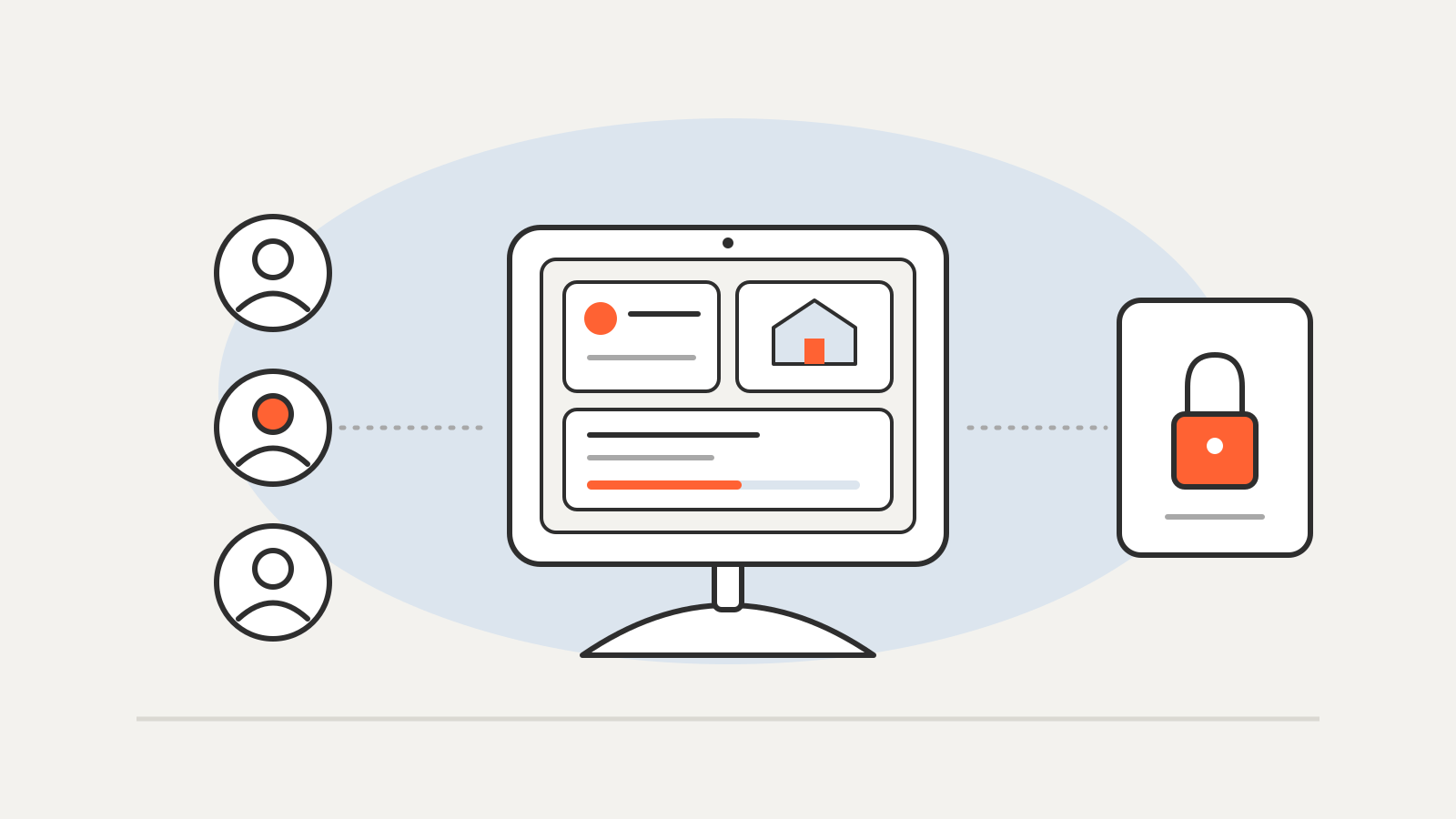
HomeView recognizes up to six people by face, and each gets a personal Home Screen. Apple says personal content appears only when the enrolled user is recognized and their paired iPhone or iPad is nearby and was recently unlocked. Shared albums and music stay open to everyone, guests included.
According to the October announcement, HomeView runs on the A18 chip and processes camera and microphone data in Secure Exclaves, separate runtimes that the HomeView software, apps, the user and Apple cannot read. Siri requests run either on the device or in Private Cloud Compute, where Apple says data is not stored or made accessible to Apple or anyone else. These are Apple’s descriptions; they have not been independently tested. For the trade-off between local and cloud processing in general, see what edge computing is.