
Explained
Clear explanations of the systems behind the headlines. Browse our topic desks or Daily 9.
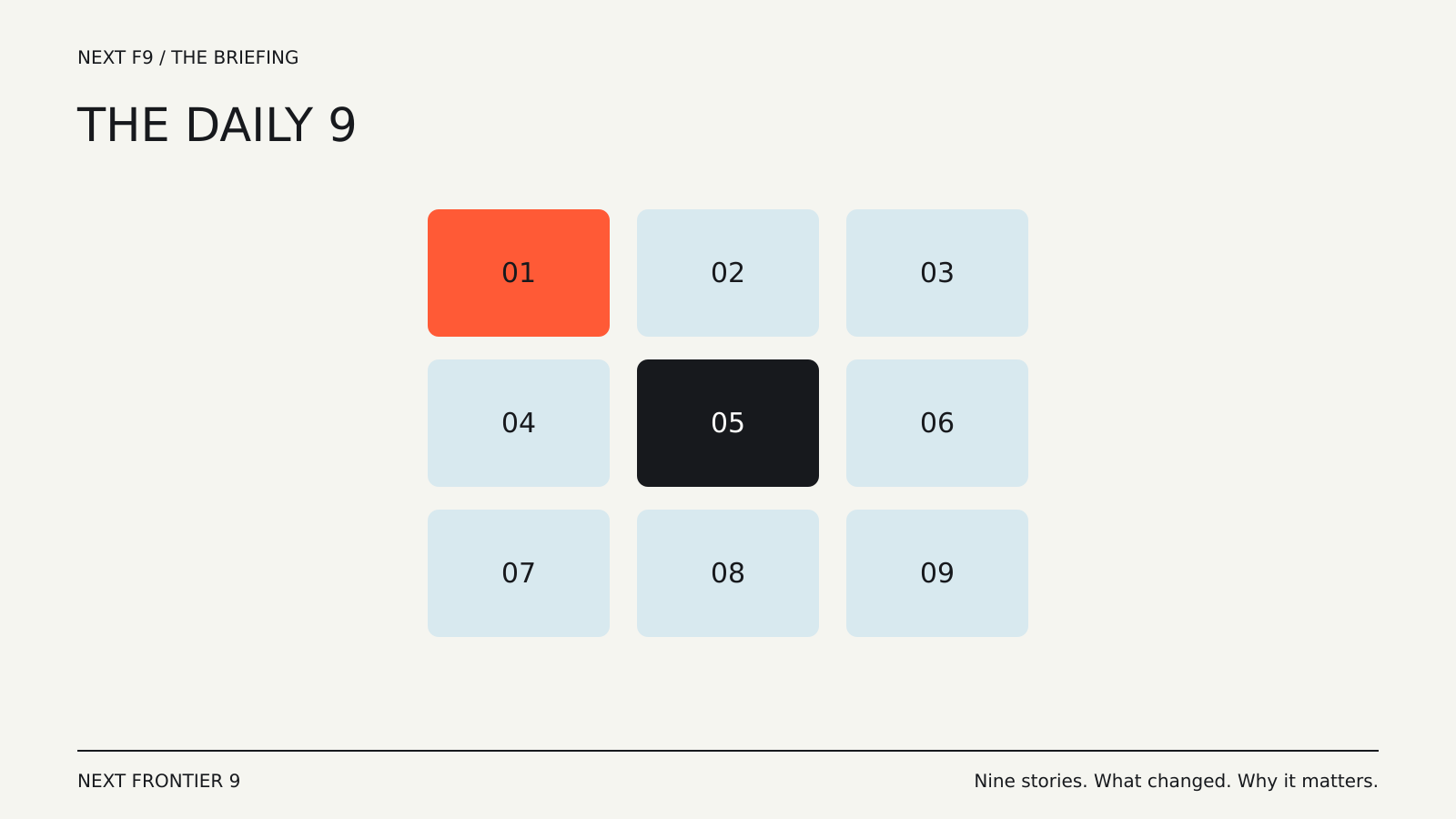
The Daily 9 — September 26: AI Costs, Stablecoin Cards and Quantum Tests
Nine developments announced September 22–24, selected for the September 26 launch briefing.
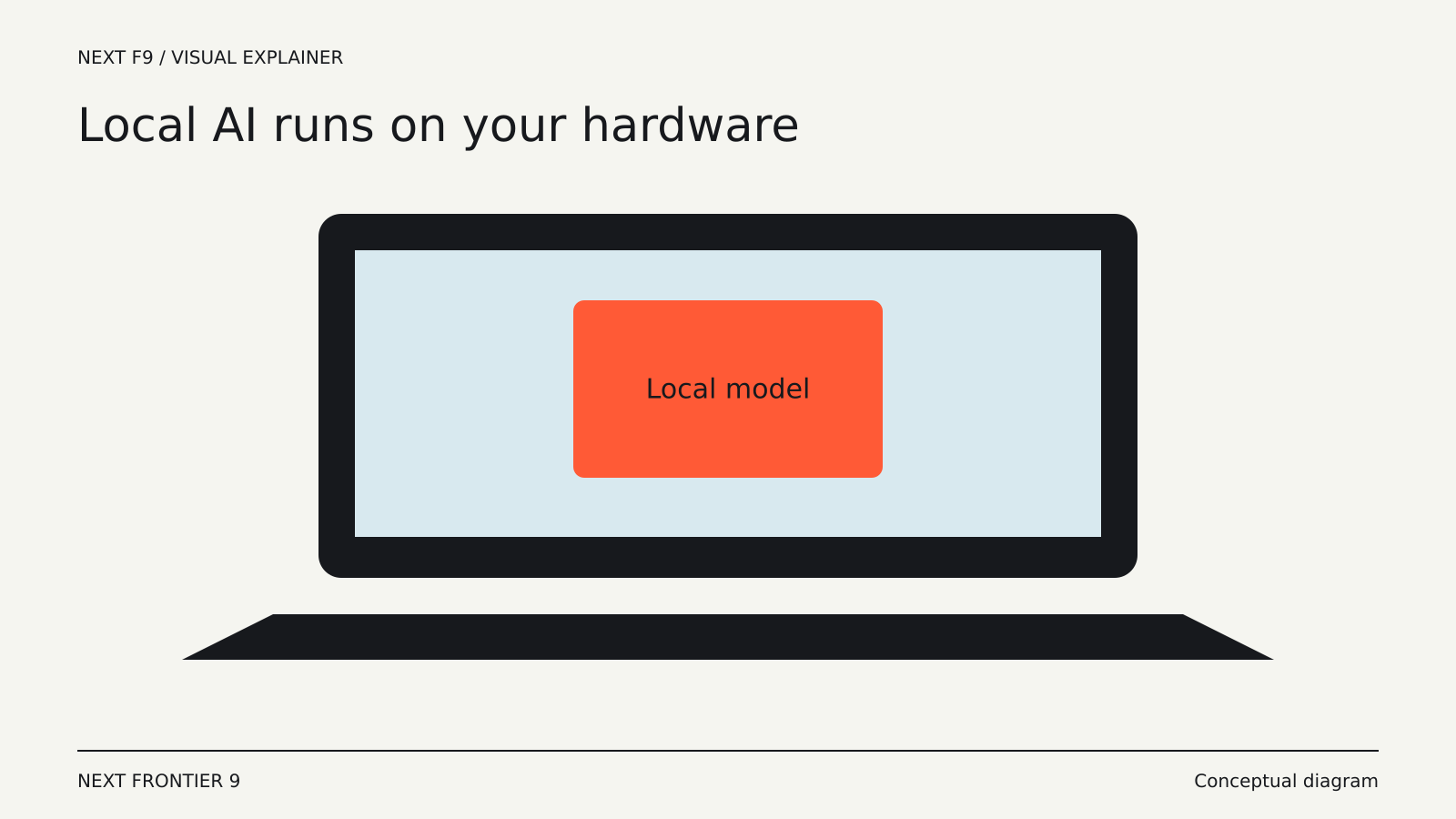
Running AI Locally: What Your Laptop Can—and Cannot—Handle
Memory, model size and input length determine what your laptop can run comfortably.
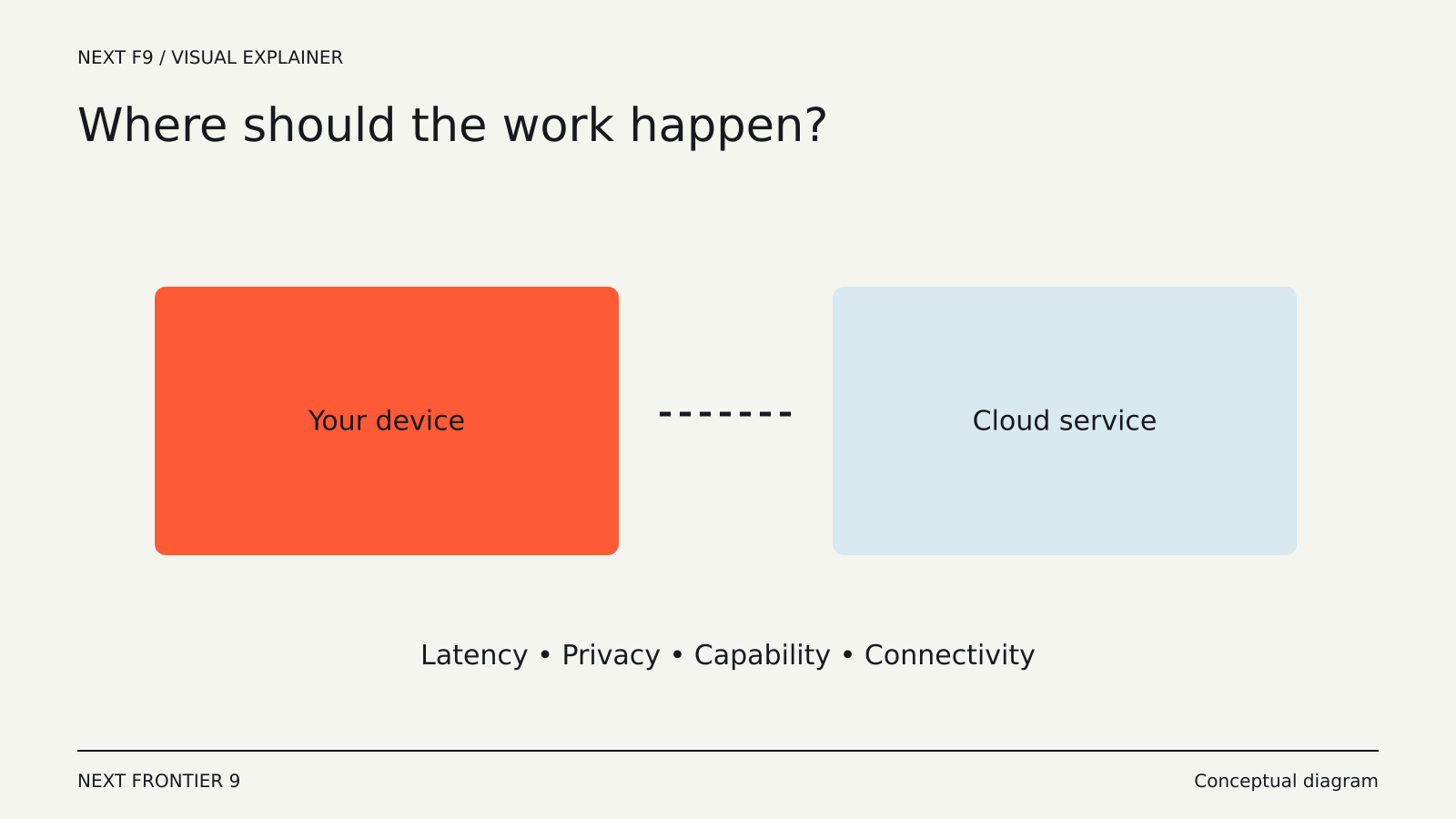
On-Device vs. Cloud Processing: Where Your Data Goes
Where computation happens changes a feature's privacy, speed, capability and need for connectivity.
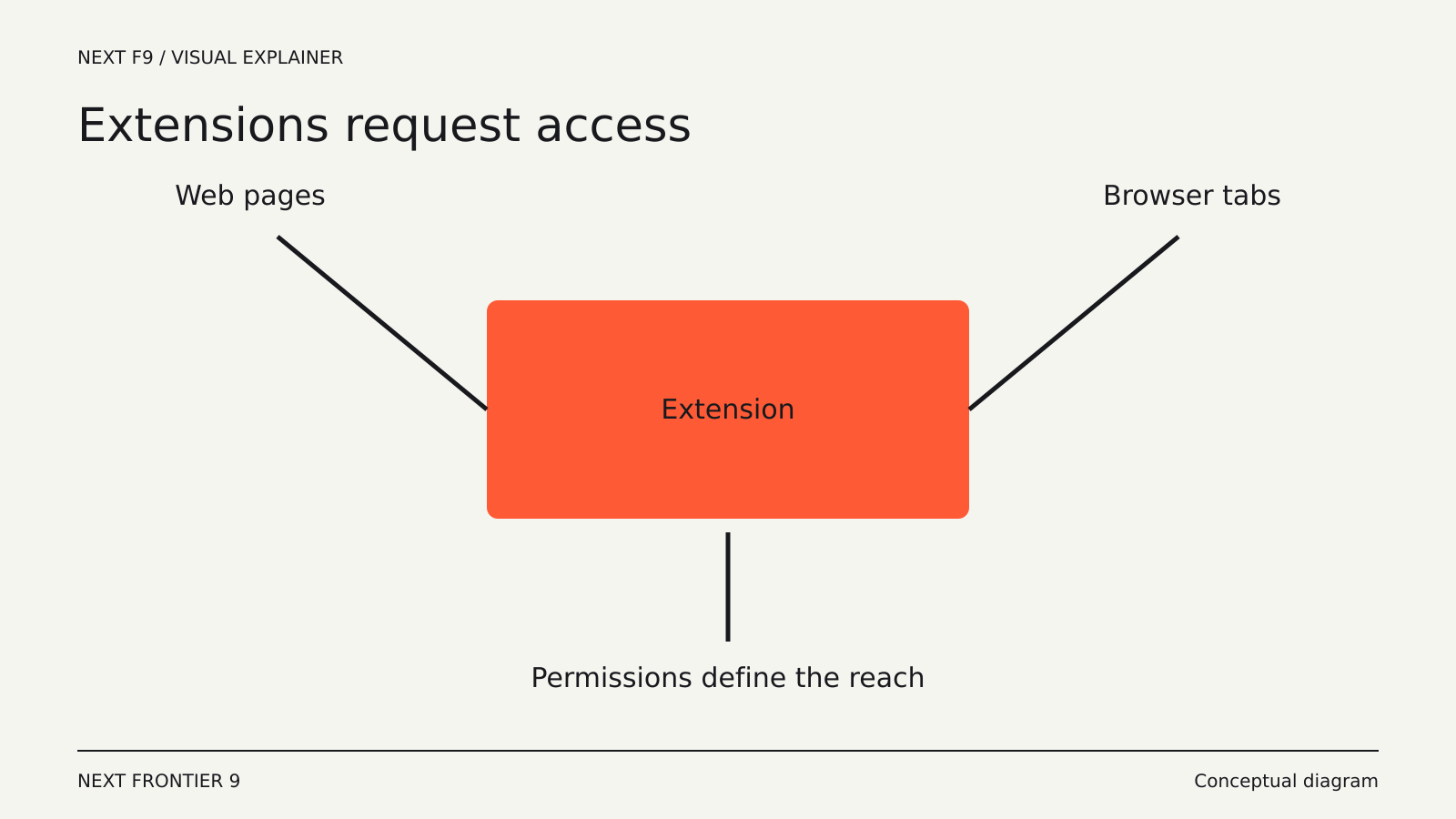
Before You Install a Browser Extension, Check These Permissions
Compare an extension's requested access with the task you expect it to perform.
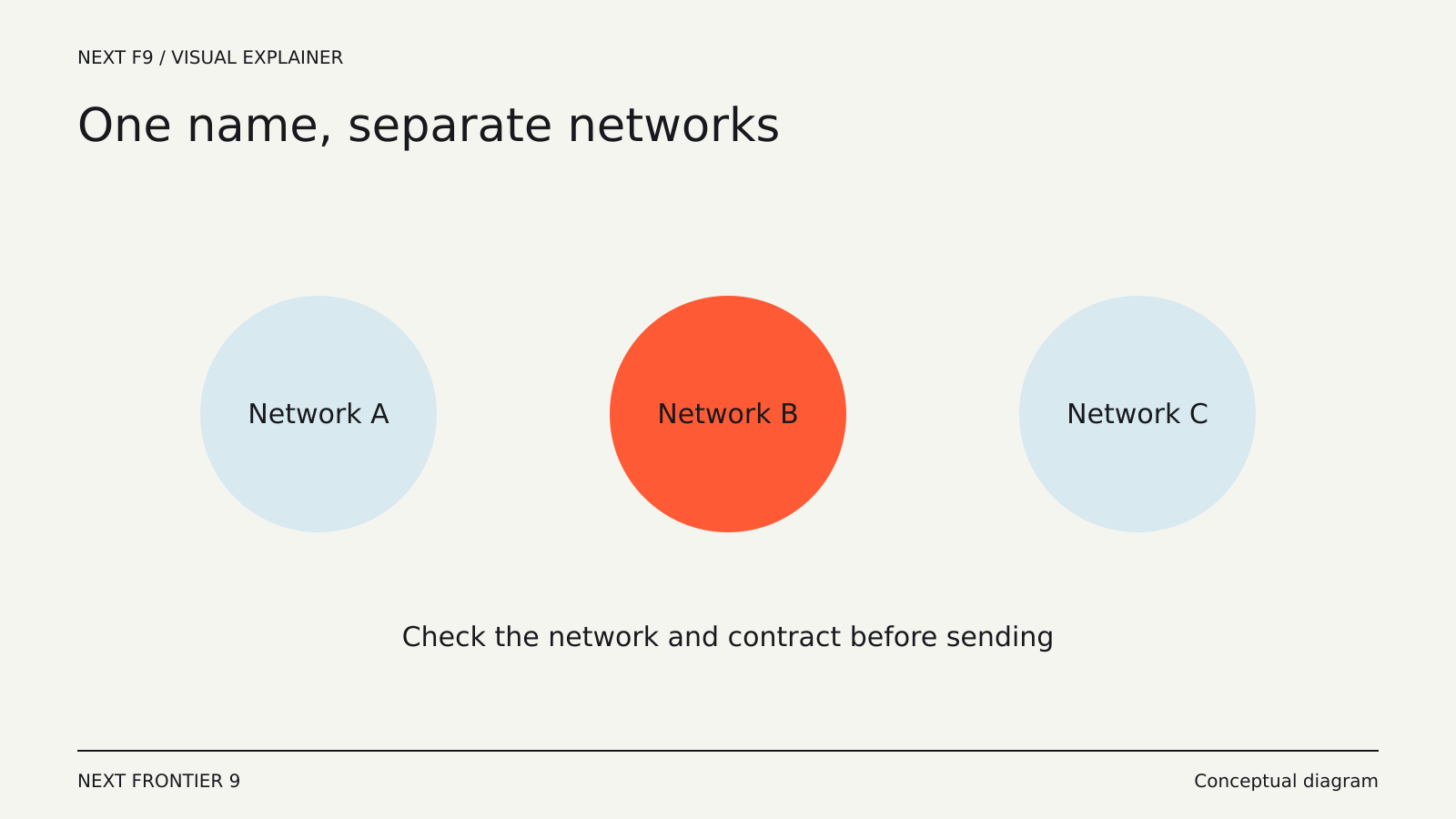
Why the Same Token Can Exist on Several Networks
A token's ticker is not enough: the network and contract determine which asset you are sending.
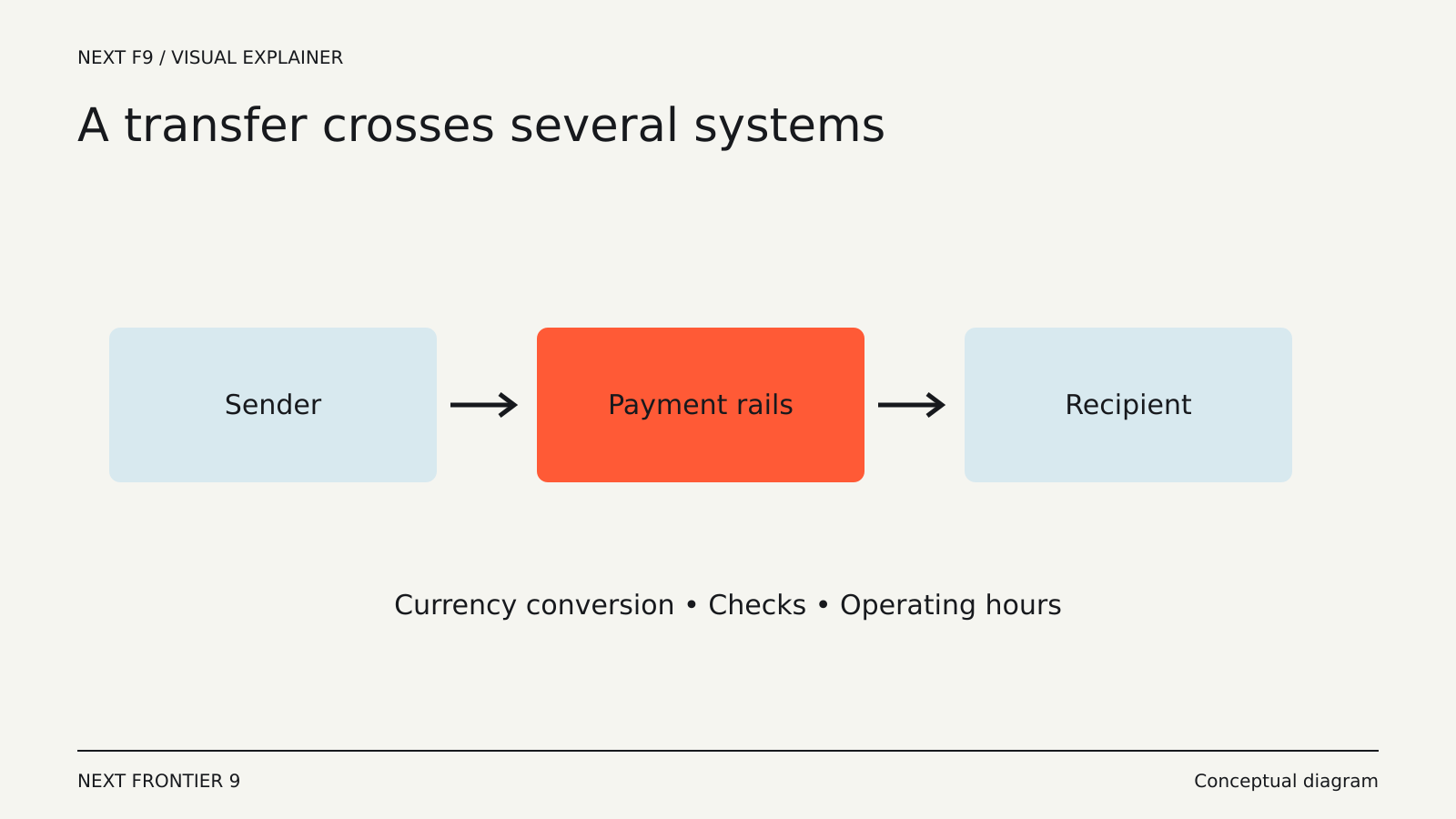
Why an International Transfer Can Take Minutes—or Days
Funding, currency conversion, checks and local payout all affect when a transfer arrives.
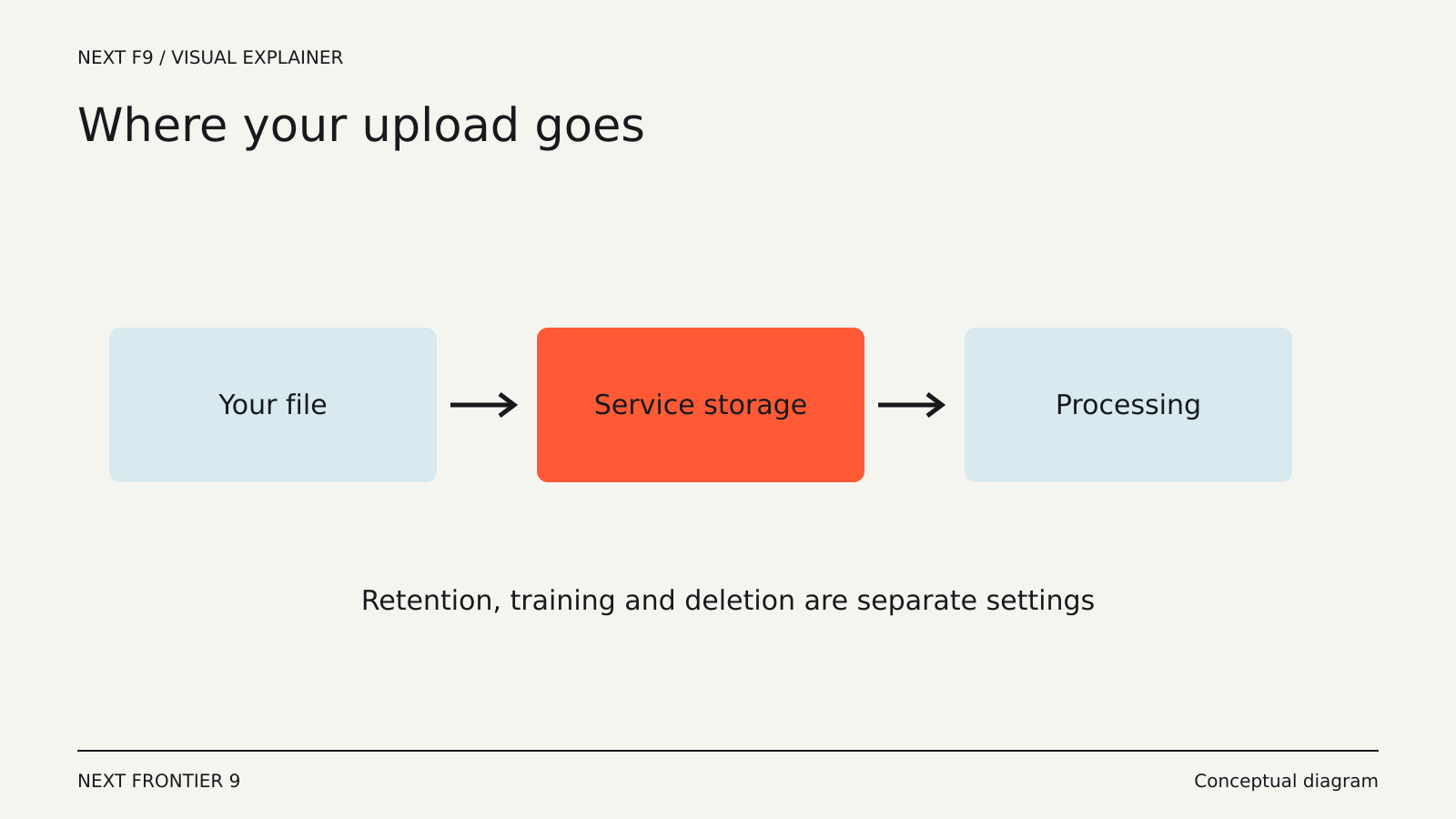
What Happens to Your Files When You Upload Them to an AI Tool?
Uploading a file raises separate questions about processing, storage, training and deletion.
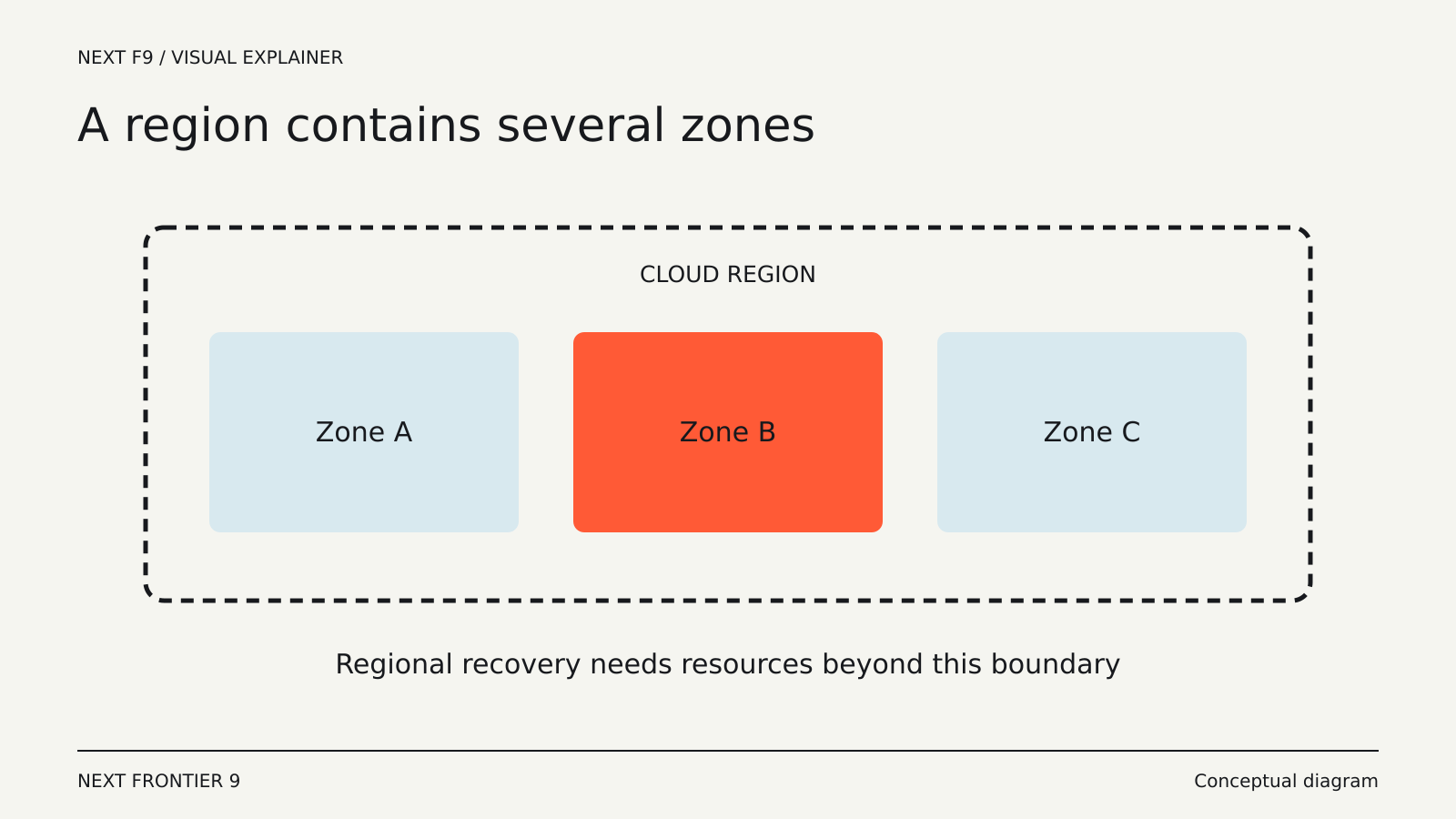
What Happens When a Cloud Region Goes Offline?
Regional recovery depends on application design, replicated data and a tested route to another location.
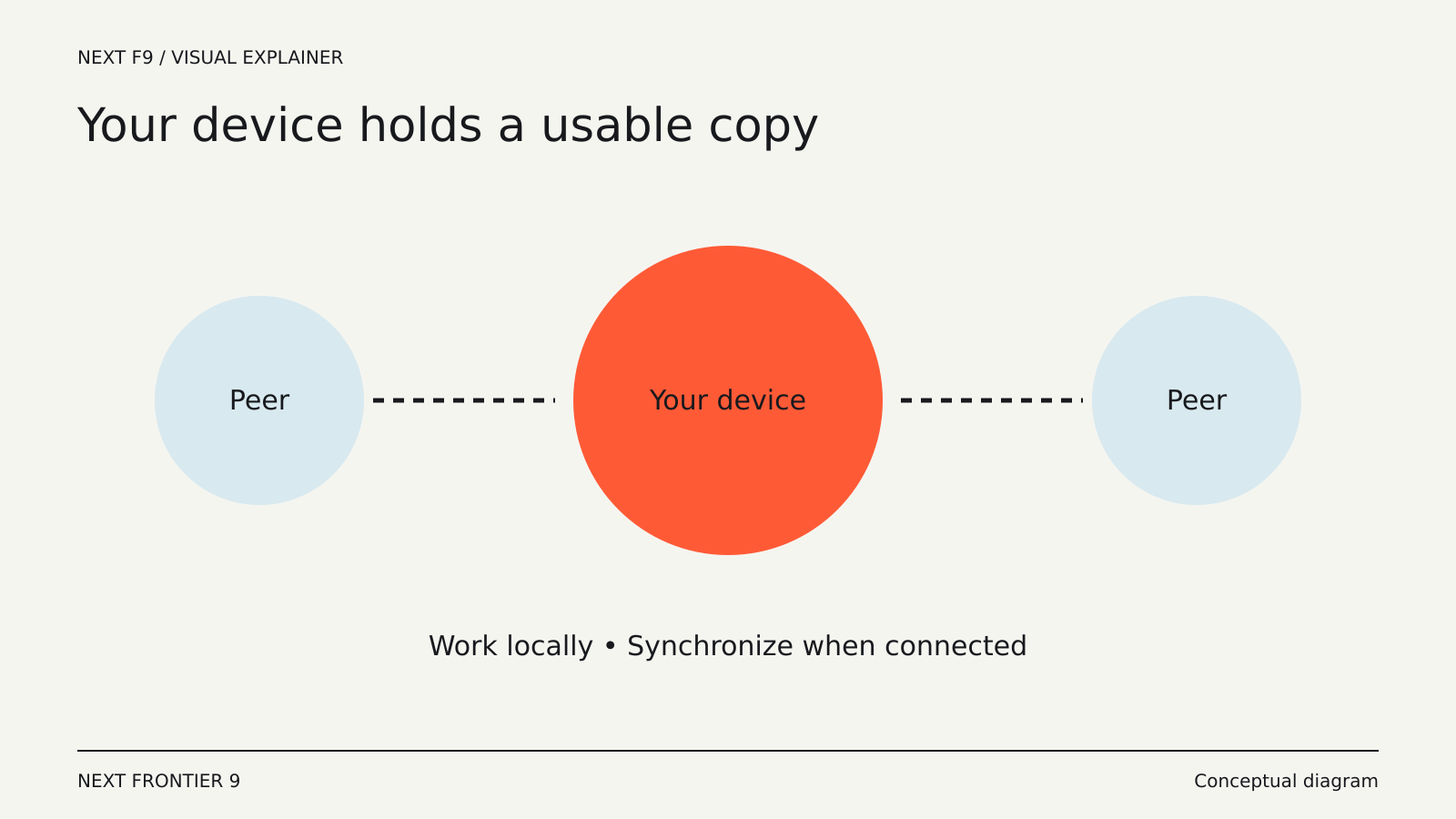
Local-First Apps: What Changes When Your Files Stay on Your Device?
Local-first software keeps a usable copy on your device and synchronizes it with other copies.
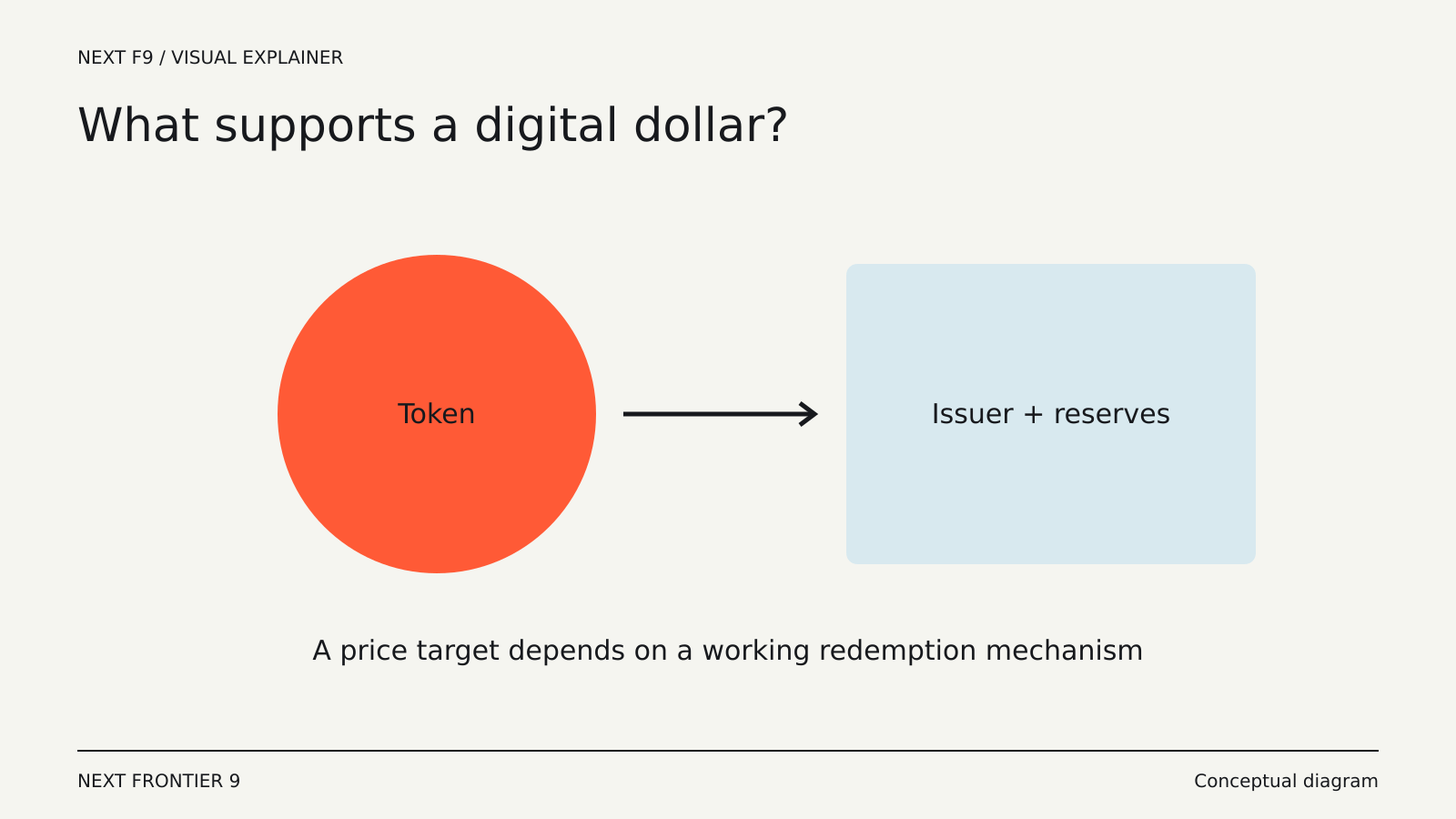
Stablecoins Explained: What Keeps a Digital Dollar Worth a Dollar?
Reserves, redemption and market liquidity help explain whether a stablecoin can hold its target price.
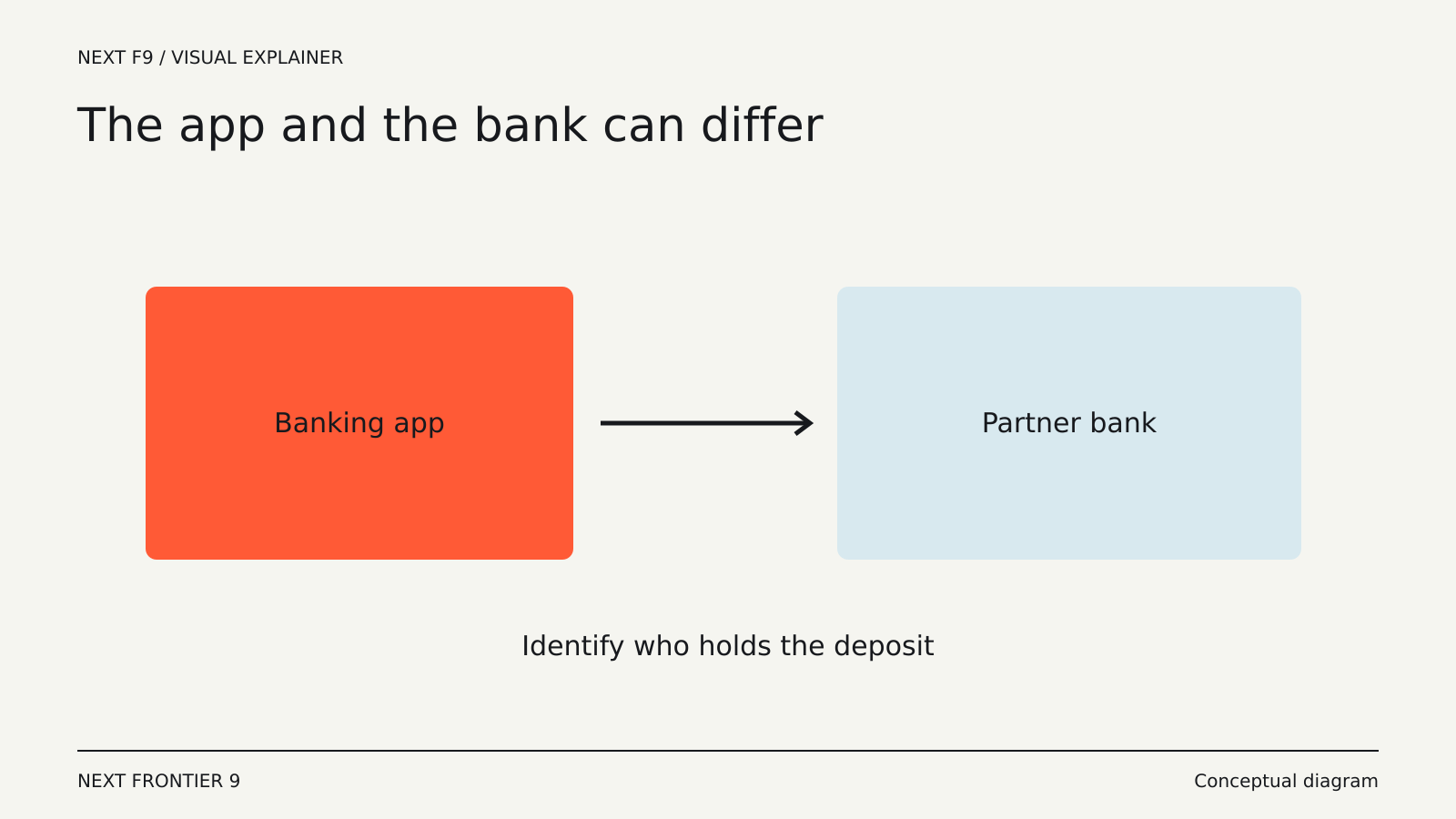
A Banking App Isn’t Always a Bank: How to Tell the Difference
The app you use and the institution holding your money may be different organizations.
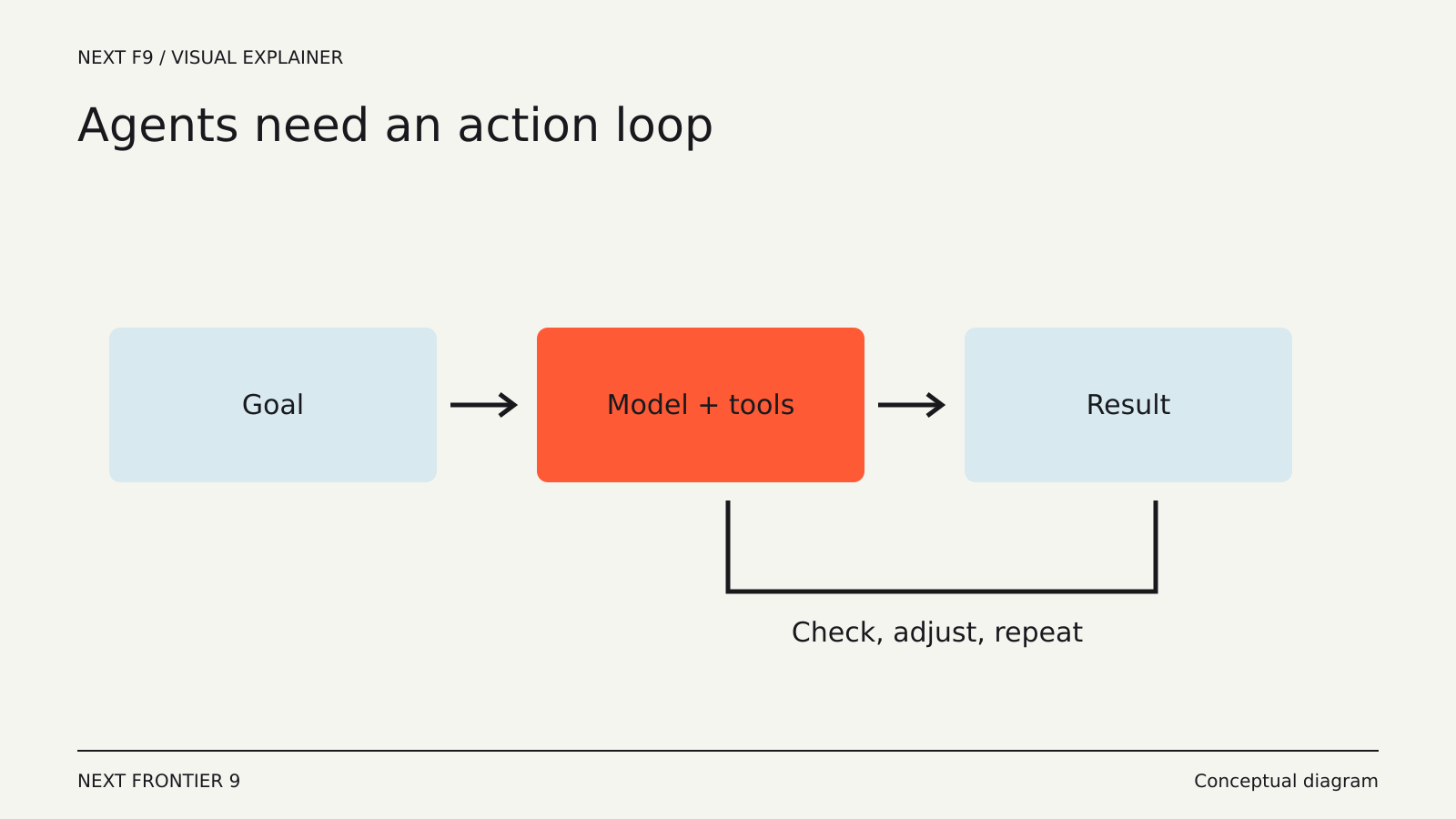
AI Agents vs. Chatbots: What Actually Changes?
An agent can use tools and take actions, while a basic chatbot mainly returns an answer.
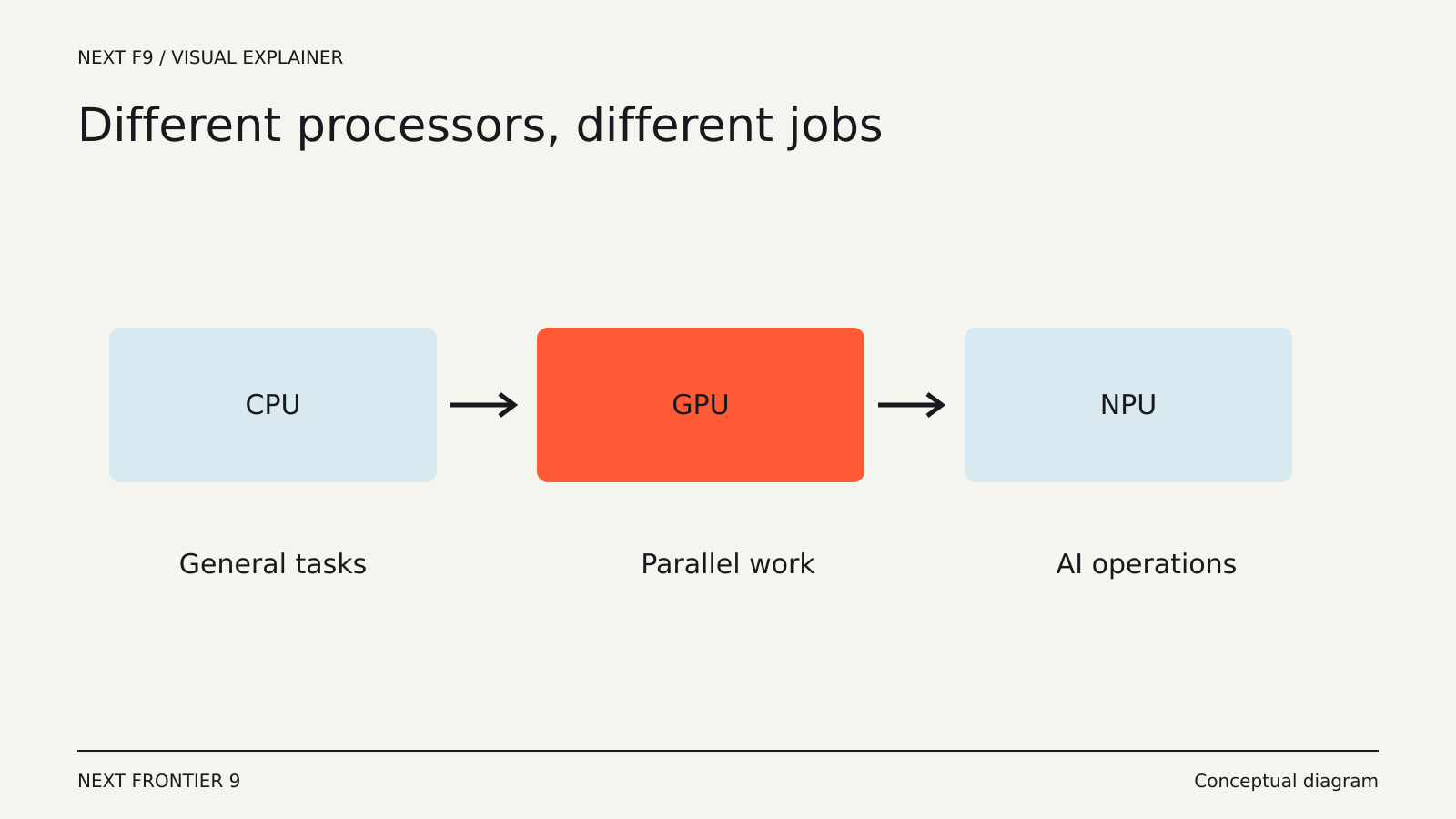
CPU, GPU and NPU: Which Chip Does What?
CPUs, GPUs and NPUs handle different workloads, and software determines which processor gets used.
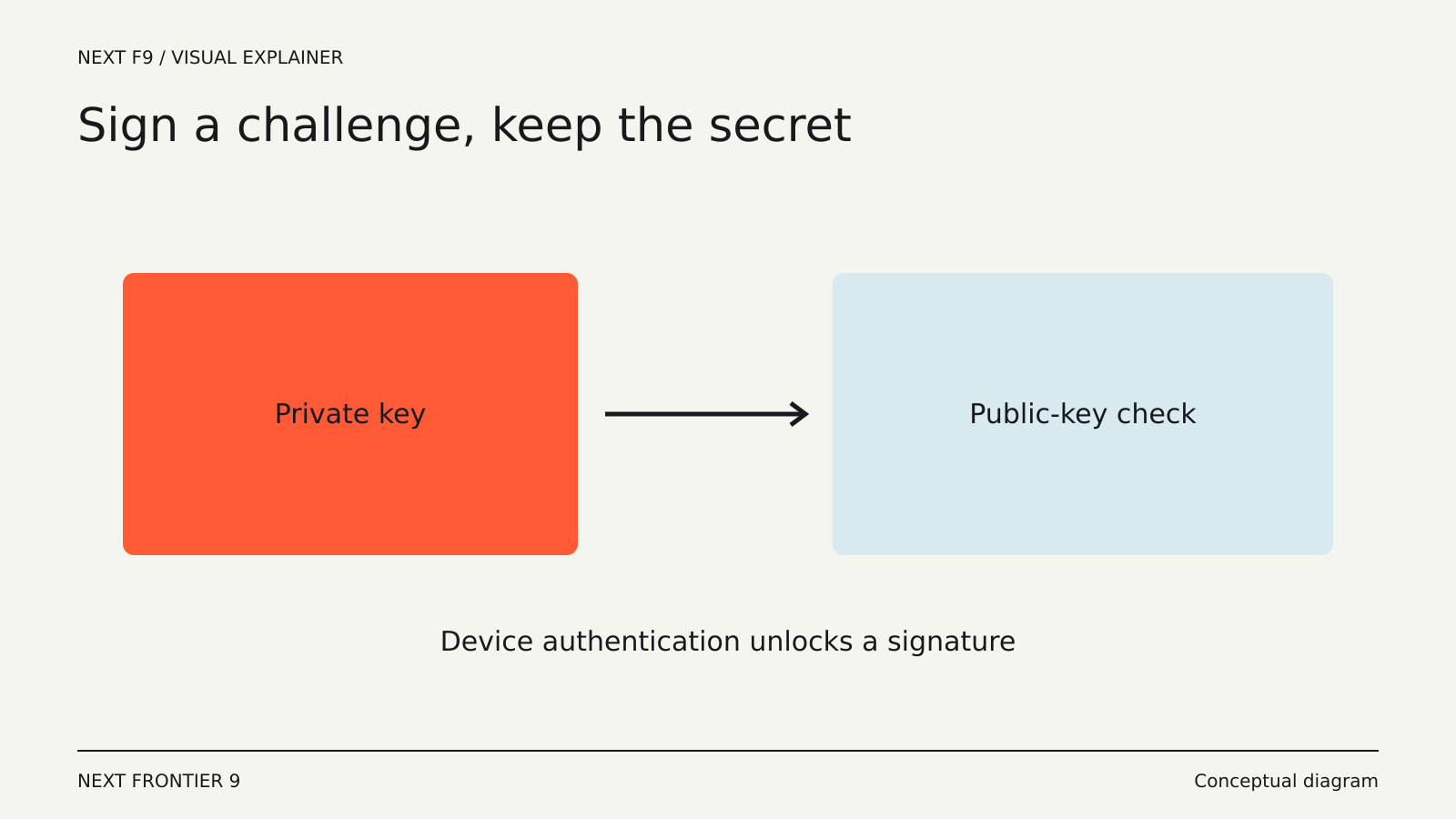
Passkeys Explained: Signing In Without a Password
A passkey proves access with a cryptographic signature instead of a reusable password.
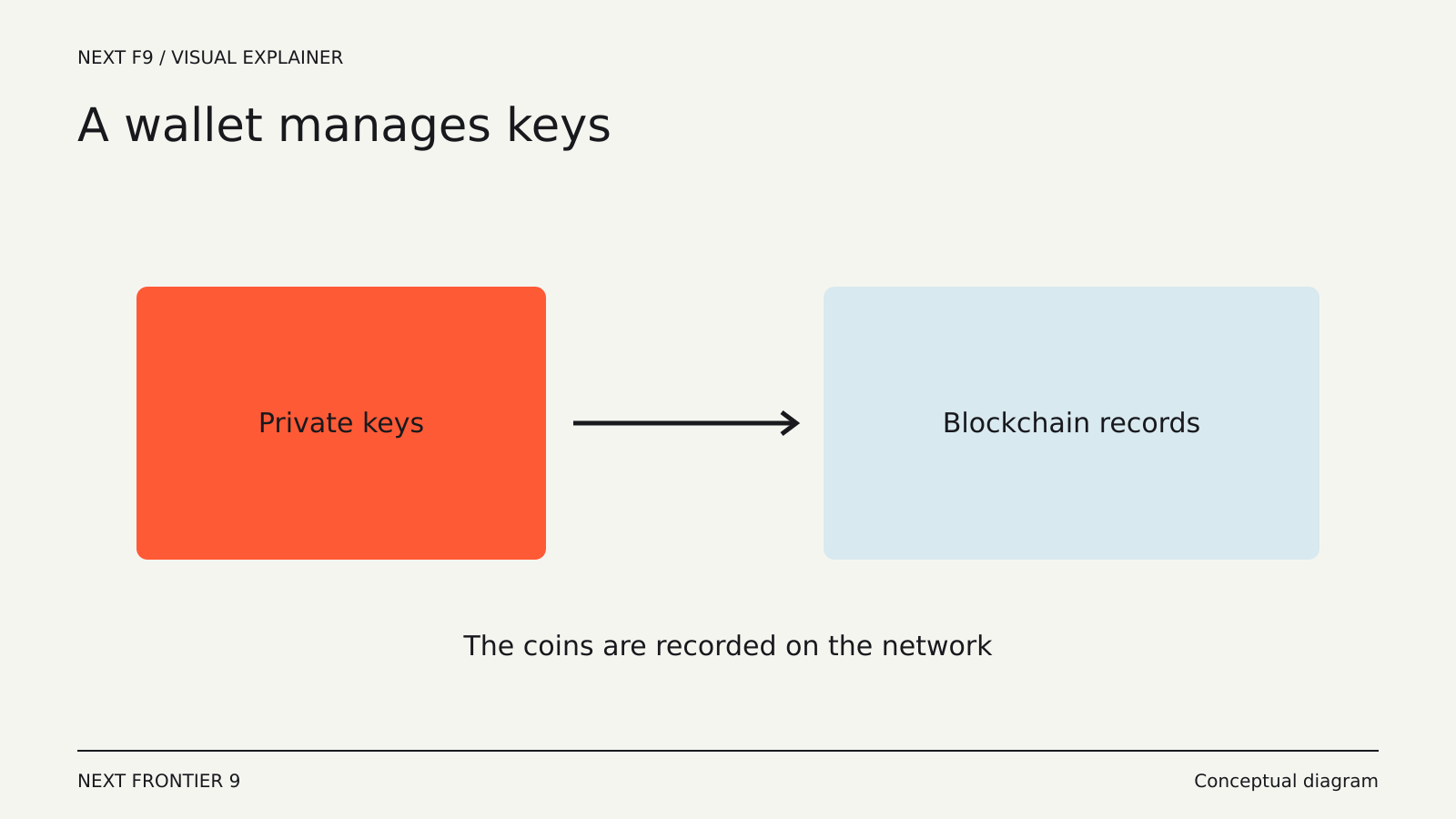
What a Crypto Wallet Actually Stores
A wallet manages keys and permissions; the assets themselves are recorded on a network.
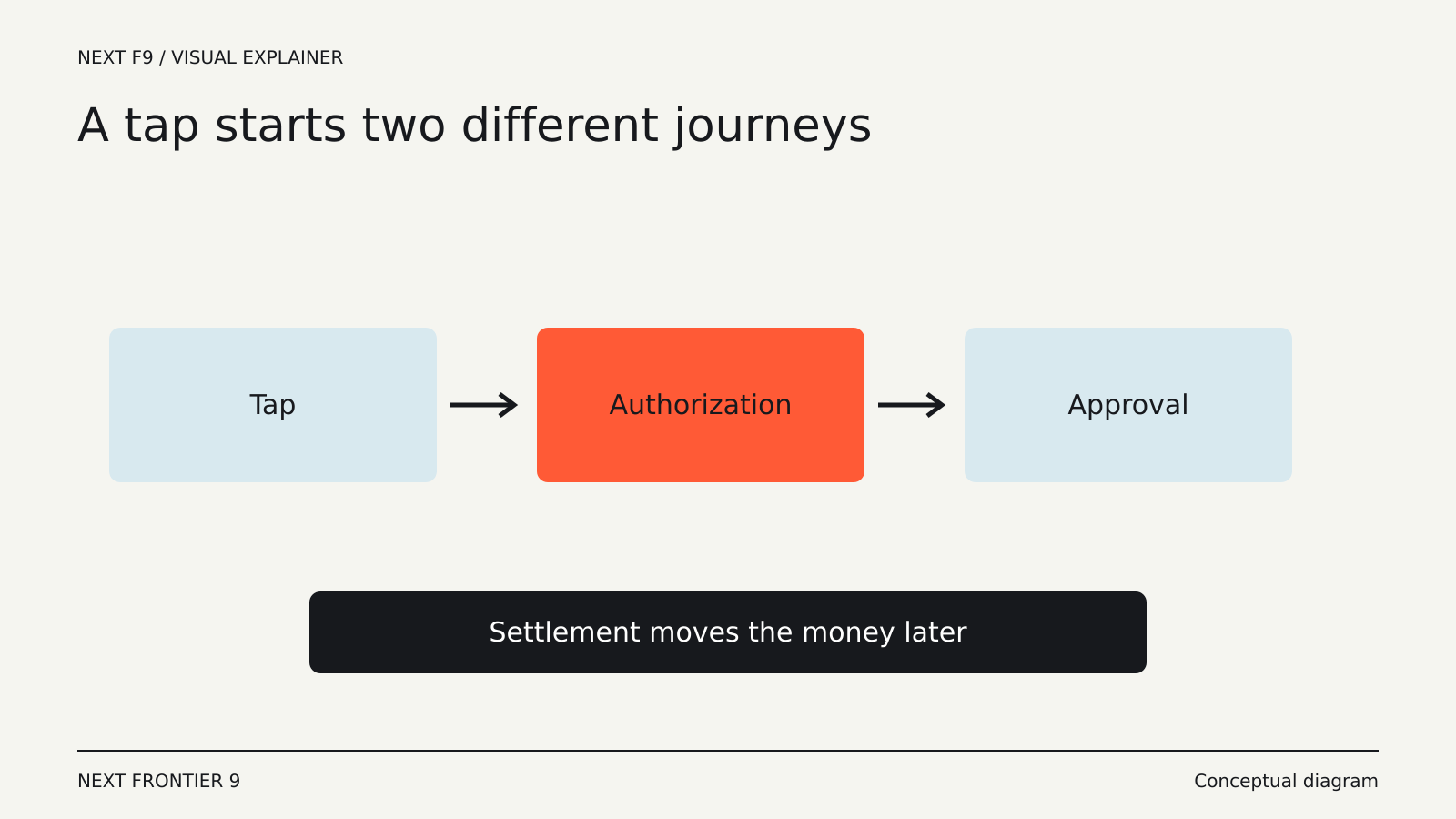
What Happens After You Tap Your Card?
A successful tap approves the payment; settlement and the merchant's payout happen later.