A credit score is a number that predicts how you will handle credit, such as how likely you are to pay a loan back on time. A scoring model calculates it from the information in your credit reports. Lenders use the score to decide whether to approve you, what interest rate to charge and how high to set your credit limit. Landlords and insurance companies use credit scores too.
Quick answer A credit score is a prediction, not a record. Your credit report is the record of your accounts and payments; a scoring model turns that record into a number, usually between 300 and 850. You have many scores, not one, and they can differ slightly because each uses different data or a different formula.
Where the score comes from
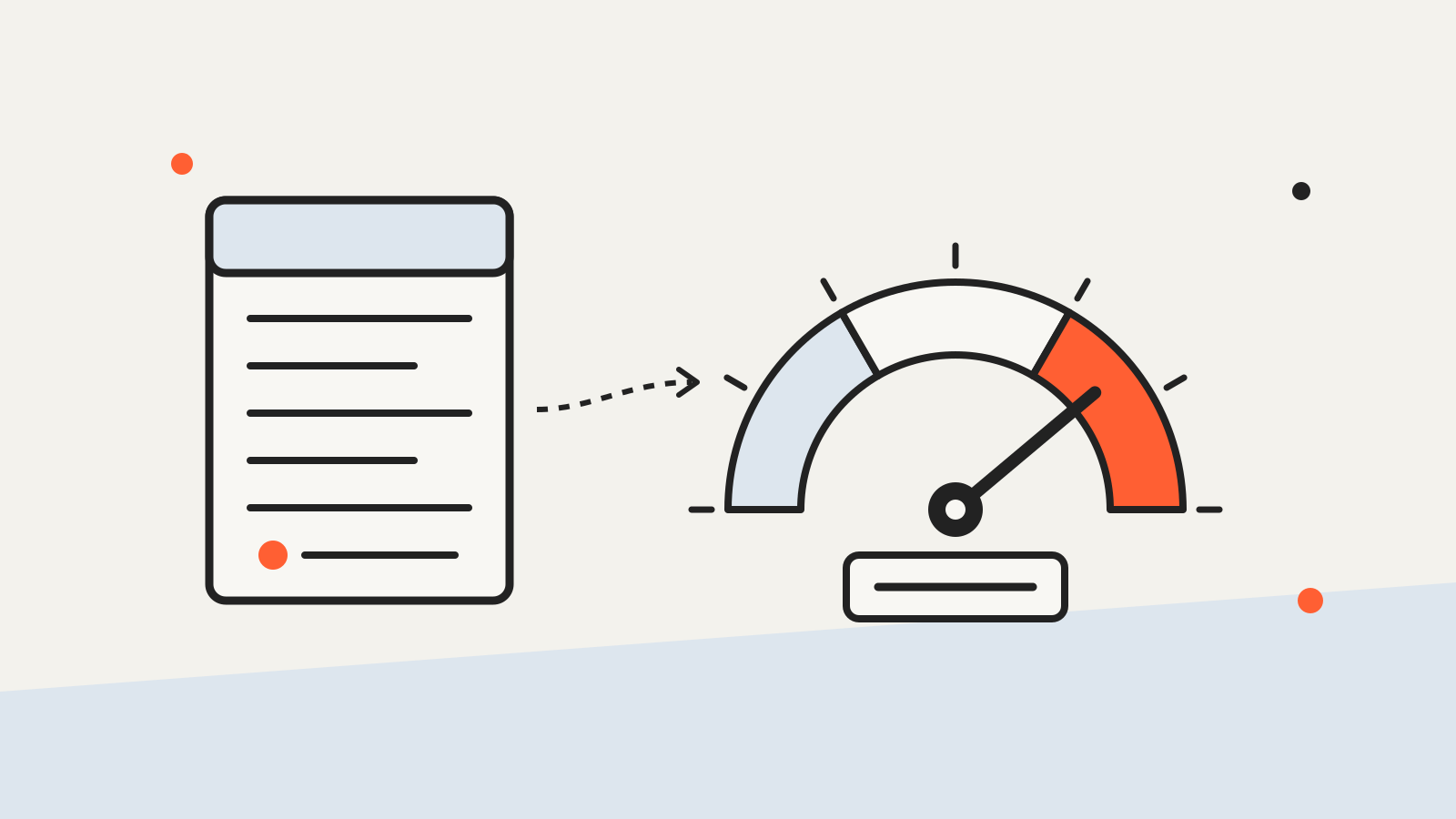
The score is calculated from your credit report. The report lists your accounts, balances, payment history and public items such as a bankruptcy; it is kept by credit reporting companies. A scoring company writes the formula, called a scoring model, and the model reads the report and produces the number. The credit report is the source material, so a mistake in the report can lower the score.
That is also why you have more than one score. The Consumer Financial Protection Bureau (CFPB) says each score depends on the data used and the scoring model, and the model can depend on the type of loan. Two reports from two different credit reporting companies, read on two different days, can give two slightly different scores. That is normal.
What a credit score measures
The CFPB lists the factors scoring models typically consider:
- your bill-paying history
- your current unpaid debt
- the number and type of loan accounts you have
- how long your loan accounts have been open
- how much of your available credit you are using
- new applications for credit
- whether a debt went to collection, a foreclosure or a bankruptcy, and how long ago
FICO, which makes one of the most widely used scoring models, publishes how much each category weighs for the general population: payment history 35%, amounts owed 30%, length of credit history 15%, new credit 10% and credit mix 10%. FICO says the weights can differ for an individual. Someone with a short credit history, for example, is scored differently from someone with decades of accounts.
Payment history and amounts owed together make up about two thirds of a FICO Score. In practice, paying on time and keeping balances low relative to your limits count for more than anything else on the list.
What a credit score leaves out
FICO says its scores do not consider race, color, religion, national origin, sex or marital status, your age, or where you live. They also ignore your salary, occupation, employer and employment history. A lender may still ask about income and job history when you apply, but those details are not part of the score.
What counts as a good credit score
Most credit scores range from 300 to 850. FICO groups its scores into bands:
| FICO Score | Band |
|---|---|
| Below 580 | Poor |
| 580 to 669 | Fair |
| 670 to 739 | Good |
| 740 to 799 | Very good |
| 800 and above | Exceptional |
These are FICO’s labels. Each lender sets its own cutoffs for approval and pricing, so a “good” score does not guarantee a loan or a particular rate.
Do credit checks lower your score?
It depends on the kind of check. A hard inquiry usually happens when a lender looks at your report after you apply for credit, and it can affect your score because most models look at how recently and how often you apply. A soft inquiry does not affect your score. Soft inquiries include checks by your existing lenders, prescreened offers and your own requests for your report.
FICO Scores count inquiries from the last 12 months, although inquiries stay on your credit report for two years. Opening several new accounts in a short period counts as greater risk in FICO’s model, especially for people with a short credit history.
How to check your credit score for free
Start with the companies you already use. The CFPB says many credit card companies and lenders show a score on your monthly statement or in your online account. Nonprofit credit counselors and housing counselors trained by the U.S. Department of Housing and Urban Development can often provide a free report and score and help you read them.
Many companies advertise free credit scores. Some make money from advertising; others sell scores bundled with credit monitoring or identity protection for a monthly fee. The CFPB warns that a “free trial” may turn into a monthly charge unless you cancel, and that buying a score never obliges you to buy the other services.
Some sources show an “educational” score. For most people it is similar to the scores lenders use, but it may not be the exact score a lender pulls. Checking your own score is a soft inquiry and does not lower it.
Because the score comes from the report, check the report as well. You can get free credit reports every week at AnnualCreditReport.com. If your worry is someone opening accounts in your name, a credit freeze is the separate tool for that.