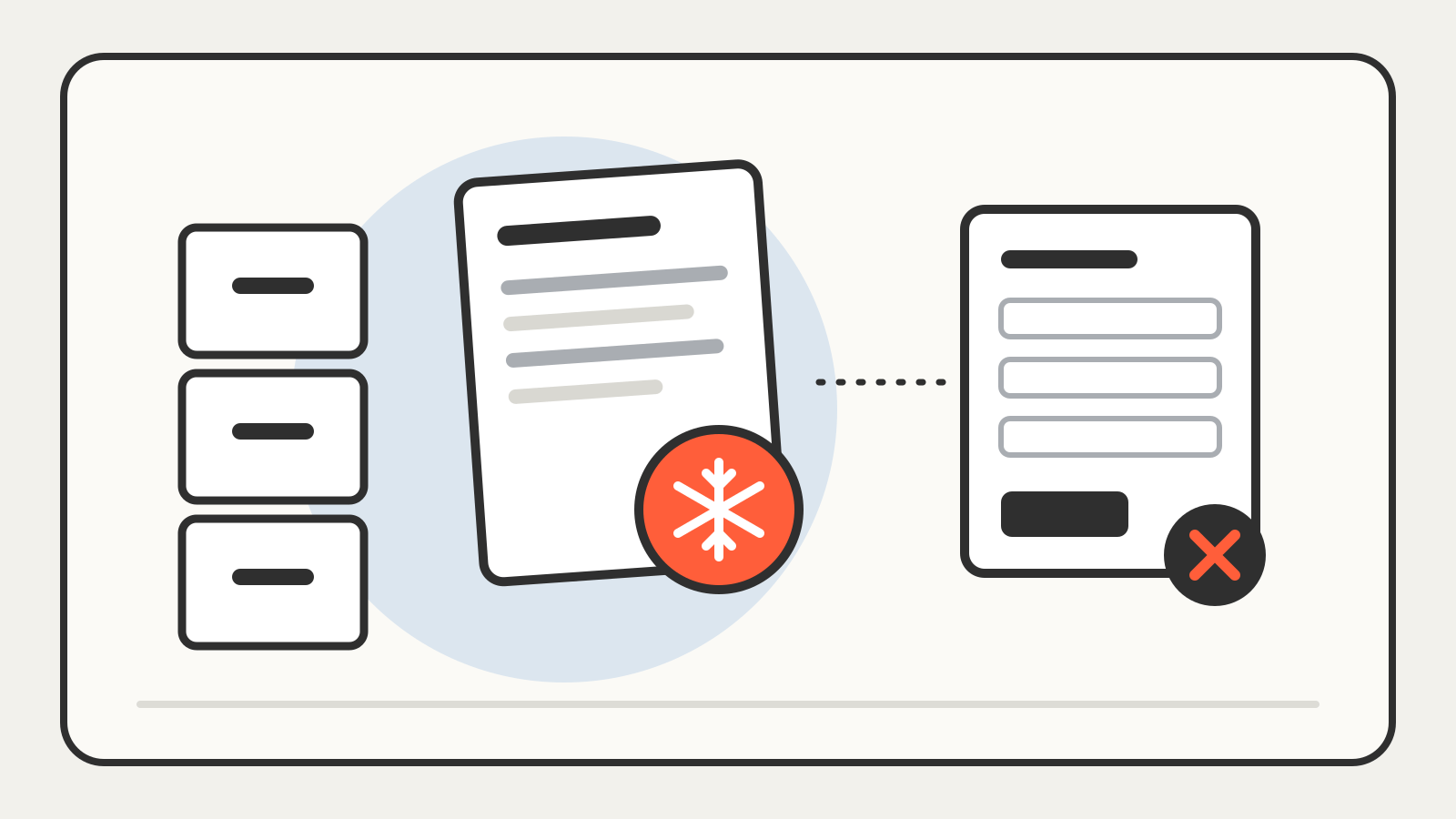
A credit freeze, also called a security freeze, restricts access to your credit report so that a lender cannot open a new account in your name. In the United States it is free to place and to lift, and it does not affect your credit score.
Quick answer A freeze stops prospective creditors from reading your credit file. Most lenders will not approve credit they cannot check, so an identity thief who has your details still struggles to open a card or loan. You place a freeze separately with Equifax, Experian and TransUnion, and you lift it when you apply for credit yourself.
What a freeze blocks
When a lender considers a new application, it normally pulls your credit report from one of the nationwide credit bureaus. A freeze closes that door. The Consumer Financial Protection Bureau says a security freeze “prevents prospective creditors from accessing your credit file” (CFPB).
The Federal Trade Commission puts the effect plainly: while a freeze is in place, nobody can open a new credit account in your name, including you (FTC).
That is why a freeze is useful after a data breach. Your name, address, date of birth and Social Security number may be exposed, but a thief still needs a lender willing to approve credit without a report.
What a freeze does not block
A freeze is narrower than many people assume.
- Existing accounts keep working. The CFPB lists creditors of accounts you already hold among the parties that can still see your file. A freeze will not stop fraud on a card you already have.
- Some checks are outside the free-freeze law. The CFPB notes that the federal requirement for free freezes does not apply to reports requested for employment, tenant screening or insurance purposes.
- Certain others still have access. The CFPB names some government agencies, such as child support agencies, and companies you hire to monitor your credit.
- You can still see your own report. A freeze does not stop you from requesting and reviewing your file.
For card fraud on accounts you already have, tools such as virtual card numbers and issuer alerts do more than a freeze.
How to place a freeze
There is no single national switch. You contact each of the three nationwide bureaus separately, usually through a free online account:
Equifax says that to freeze your other reports you must contact Experian and TransUnion directly. Freezing only one bureau leaves the other two files open to a lender that checks them.
Federal rules set the timing. A nationwide bureau must place a freeze within one business day of a request made by phone or online, and within three business days of receiving a mailed request. It must confirm the freeze in writing within five business days (CFPB).
How long it lasts and how to lift it
A freeze stays in place until you remove it. The FTC and Experian both say it does not expire on its own.
When you need a lender to see your file, you can remove the freeze or lift it temporarily for a period you choose. The CFPB says a bureau must lift it within one hour of a request made by phone or online, and within three business days of a mailed request. Lifting is free.
A practical tip from the FTC: find out which bureau a lender, landlord or insurer will use, lift the freeze at that bureau only, and put it back once the check is done.
Keep the login for each bureau account somewhere safe. Losing access to a bureau account turns a quick unfreeze into a slower identity check. A passkey or authenticator app on those accounts helps if the bureau offers it.
Credit freeze vs. credit lock vs. fraud alert
These three tools are often confused.
| Tool | What it does | Cost |
|---|---|---|
| Credit freeze | Restricts access to your file for new credit; rules set by federal law | Free |
| Credit lock | A bureau product with a similar effect, governed by the product’s terms | Often sold for a fee or bundled with paid services |
| Fraud alert | Asks lenders to verify your identity before opening credit; your report stays visible | Free |
The CFPB says credit locks “are no more effective than security freezes,” which are free and which you have a right to by law.
A fraud alert works differently. The FTC explains that an initial alert asks businesses to check with you before opening new credit, lasts one year and can be placed through any one bureau, which must notify the other two. People who have reported identity theft can place an extended alert that lasts seven years. You can use a fraud alert and a freeze at the same time.
Freezes for children
Parents and guardians can freeze credit for a child under 16. The CFPB says that if a bureau has no file on the child, it must create a record so it can be frozen. Each bureau has its own process, and Experian says minor requests are handled by mail.
Does a freeze make sense for you?
The FTC says anyone can freeze their credit at any time, without waiting for a breach. The trade-off is a small step before you apply for a loan, card, apartment or some jobs. If you rarely apply for new credit, a standing freeze with occasional temporary lifts is a low-effort default.
A freeze is one layer. It does not replace checking statements, reading your free credit reports, or protecting the email and phone number that banks use to reach you.