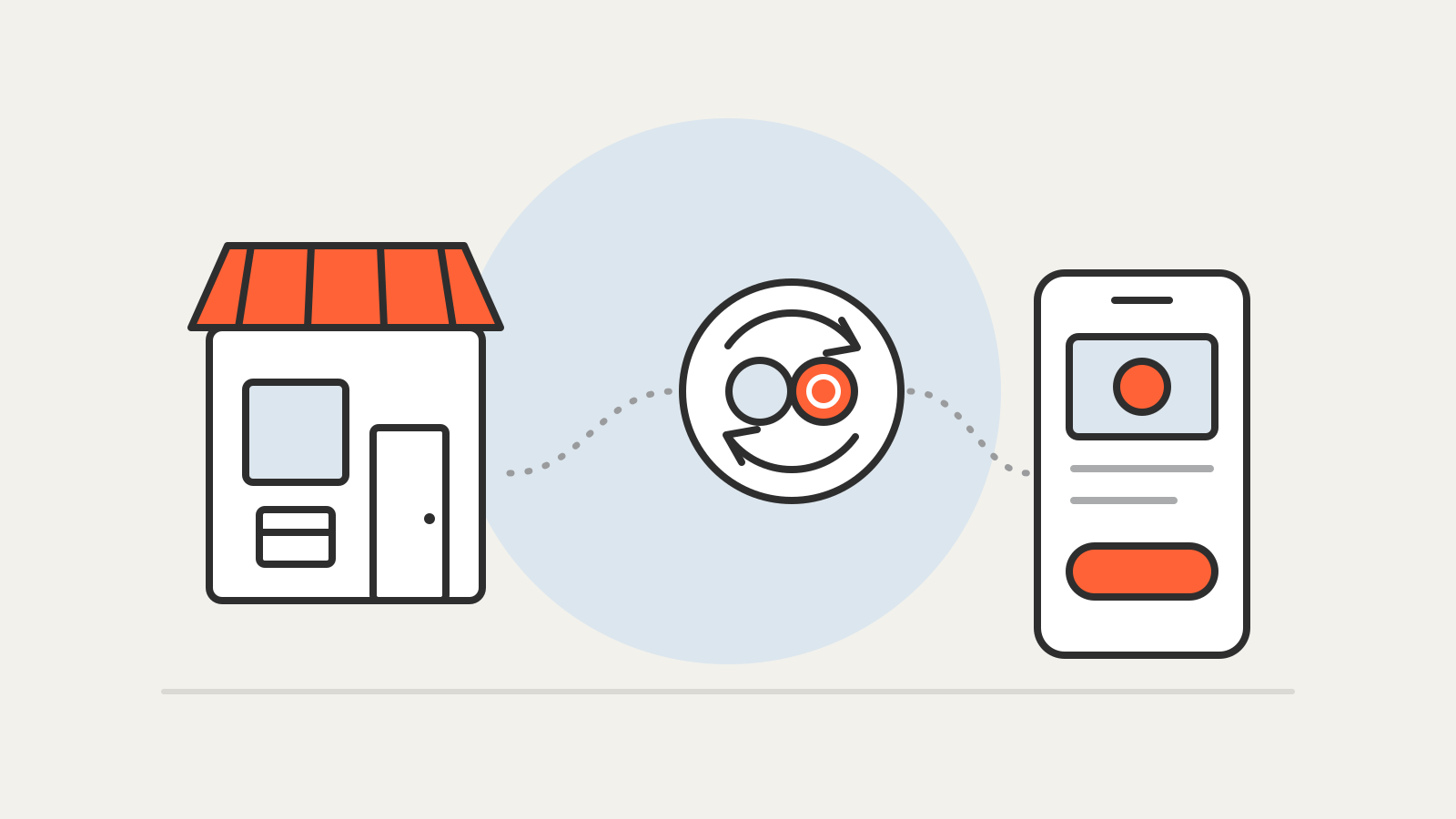
Klarna Consumer FX lets a shopper buy from a participating Klarna merchant in another country and pay Klarna in their own currency. Klarna announced the launch on October 21, 2026, and says the feature is live across all of its markets and currencies, including USD, EUR, GBP, SEK, NOK, DKK, CAD, AUD, NZD and MXN. A German shopper at a US store, for example, sees euro amounts in the Klarna purchase flow while the store keeps pricing and receiving money in dollars.
What Klarna says changes for shoppers
According to Klarna’s announcement, shoppers pay in their own currency “with no exchange fee”, and the price and rate are shown upfront and stay visible in the Klarna app after the purchase. Klarna says it handles the exchange-rate disclosure, consent and compliance itself, inside its own checkout.
The payment options also follow the shopper rather than the shop. Klarna’s merchant documentation says customers see the options they know from their home country, so a German customer on a US store may be offered “Pay in 3” rather than “Pay in 4”. The billing currency is set by the billing country on the customer’s Klarna account.
The rate you see is not final
“No exchange fee” does not mean the amount is fixed when you click buy. The documentation says the converted amount in the purchase flow uses Klarna’s current exchange rate, is indicative, and customers are told it can change. The rate is locked at capture, the moment the merchant actually charges the order, and Klarna then sends the final rate and amount by email and in the app. For goods that ship days later, the final charge in your currency can therefore differ from the first figure you saw.
Refunds work the same way in reverse. Klarna converts a refund at the rate on the day of the refund. Its documentation warns that the refunded amount may not exactly match the original charge, and that “there may be an open amount left to pay after a full refund due to market fluctuations.” Anyone returning a foreign purchase should check the Klarna app after the refund rather than assume the balance is zero.
The announcement does not say how Klarna sets its rate or whether it differs from market reference rates, so the cost of the conversion itself cannot be judged from the launch material.
What it means for merchants
Klarna says any connected merchant can now sell to its 120 million active consumers in 26 countries without a new integration, a local entity or a foreign bank account; merchants are paid in the currency they create the transaction in. Merchants need Consumer FX enabled on their account. Klarna’s claim of a 5% lift in conversion and 6% in sales comes from its own early results and has not been independently checked.
For how a pay-later plan turns a purchase into a repayment schedule, see how buy now, pay later works.