Zcash’s NU7 network upgrade is live. Block 3,543,405, the activation height set in ZIP 259, was mined at 02:34 UTC on November 6, 2026, according to the Blockchair block record. From that block on, Zcash aims for a new block every 25 seconds instead of every 75, keeps part of every transaction fee out of circulation, and no longer accepts the old transaction format that the original Sprout privacy pool depends on.
Faster blocks, same issuance
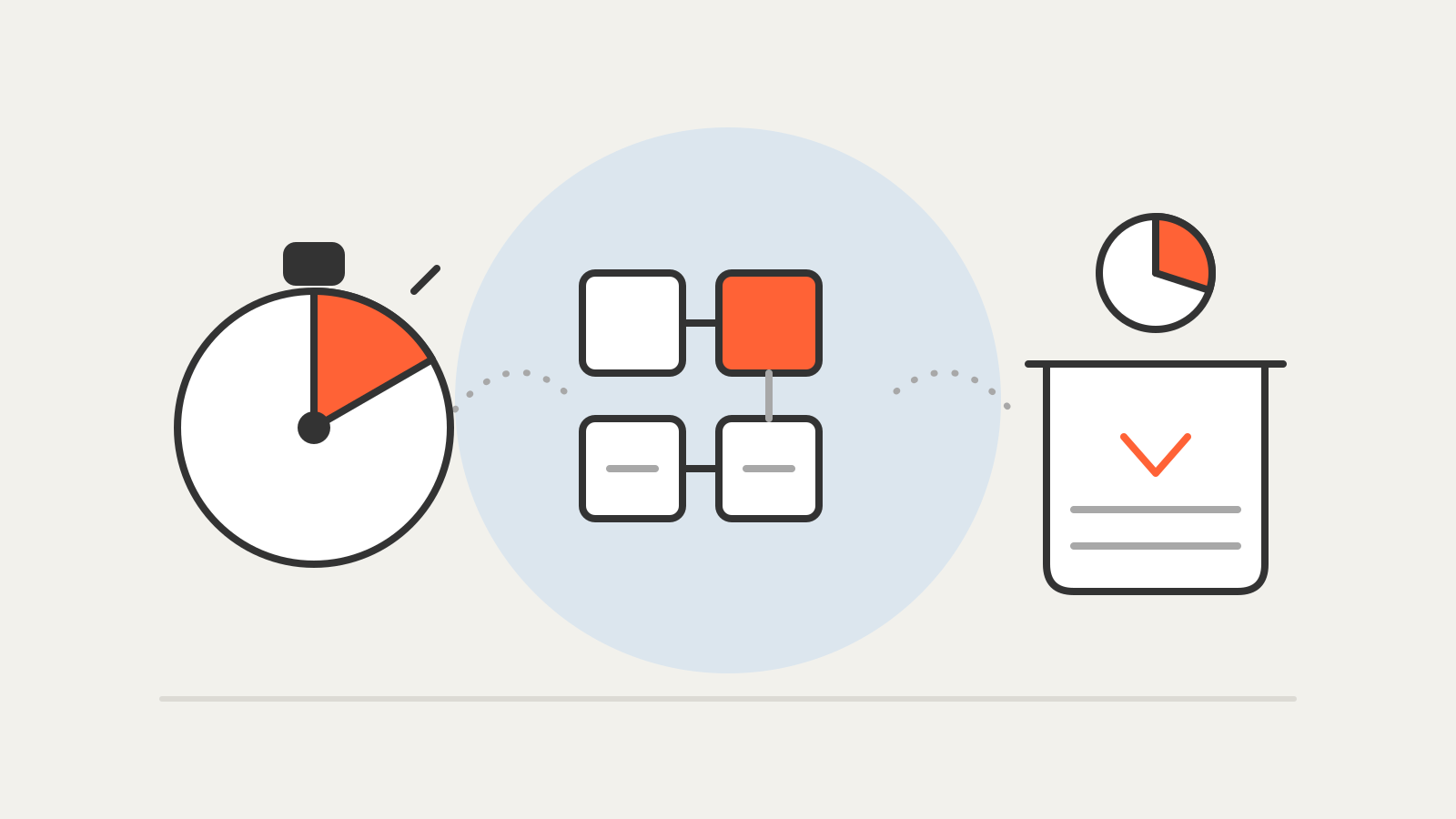
The headline change comes from ZIP 218: the target time between blocks drops from 75 seconds to 25. For someone paying in ZEC, the average wait for the next block falls from about 75 seconds to about 25. The Zcash Foundation says the four-year halving schedule and the 21 million ZEC supply cap are both unchanged, so faster blocks do not mean faster issuance. More blocks do mean more data for nodes to check and for shielded wallets to scan. NU7 adds per-pool and global limits on shielded actions to keep those costs bounded. The Zcash Foundation describes them as limits “that protect wallets from spam.”
Where 60% of the fees go
NU7 switches on the Network Sustainability Mechanism. Under ZIP 235, 60% of each block’s transaction fees are removed from circulation and miners keep the other 40%. Under ZIP 237, that removed ZEC is paid back out gradually through future block rewards, on top of the normal reward. On mainnet, reissuance starts at block 8,939,664.
The reason is long term. Block rewards shrink with every halving, and one day fees will have to pay for the network’s security. The Network Sustainability Mechanism moves some of today’s fees into those later rewards. ZIP 259 states that the change does not raise the supply cap, and the reserve is public consensus state, so anyone can follow it.
Sprout funds are now stuck
The change most likely to catch holders out is ZIP 2003. Version 4 transactions are invalid after activation, while versions 5 and 6 stay valid. Transfers out of Sprout, Zcash’s original shielded pool, can only be written as version 4 transactions. ZIP 259 says plainly that funds left in Sprout “become unspendable.” There is no supported replacement format.
The version 4 ban also covers transparent and Sapling transactions, not only Sprout. ZIP 259 notes that a version 4 transaction signed before activation cannot be fixed by signing it again; it has to be rebuilt in a supported format. That matters for saved or offline-signed transactions.
Who had to act
Node operators had to upgrade before the activation height to stay on the consensus chain. The Zcash Foundation’s Zebra 7.0.0, released October 22, was the first stable Zebra release to support NU7 on mainnet. Nodes that did not upgrade now follow a different chain.
Zebra 7.0.0 is supported for 8 weeks instead of the usual 12, so operators should expect another update soon.
For most people holding ZEC in a current wallet, nothing needs doing beyond keeping the wallet app up to date. Exchanges and payment services set their own confirmation counts, so deposit times there depend on each service. Our explainer on hardware wallets covers how wallet software and the keys it protects fit together.