A credit report is a record of your credit history: the accounts you have, how you have paid them and who has asked to see the file. In the United States, three nationwide credit bureaus (Equifax, Experian and TransUnion) collect and sell this information, and you are entitled to see it for free.
Quick answer A credit report is the raw history. A credit score is a number some businesses calculate from it. Lenders, landlords, insurers and some employers read the report, so errors in it can cost you money. Check it at least once a year and before a big application, using only the official free-report channels.
What a credit report contains
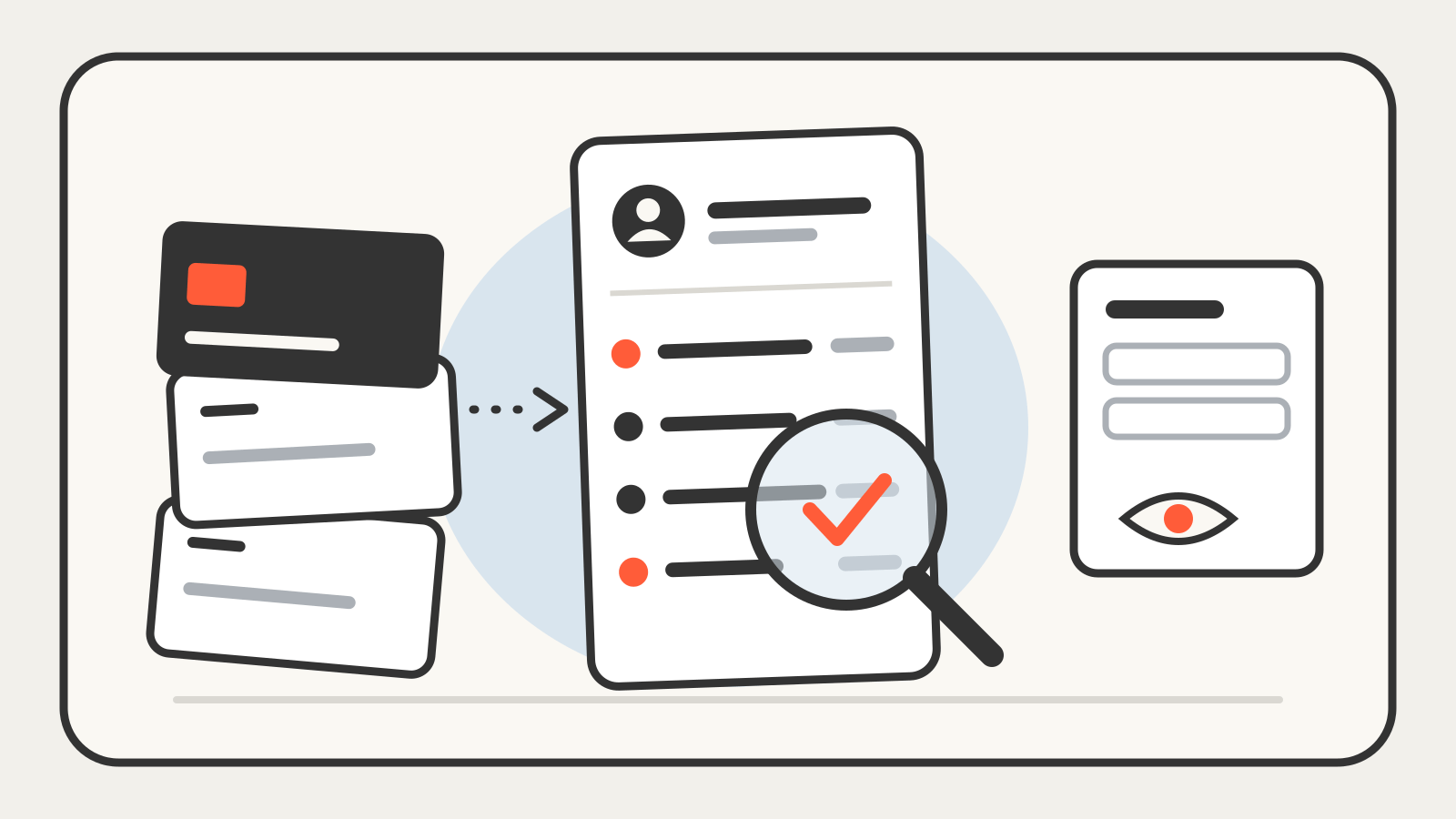
The Consumer Financial Protection Bureau (CFPB) lists the usual sections:
- Personal information. Your name and past names, current and former addresses, birth date, Social Security number and phone numbers.
- Credit accounts. Current and past accounts such as mortgages, installment loans and credit cards, with the credit limit or amount, balance, payment history, the dates opened and closed, and the creditor’s name.
- Collection items. Missed payments, loans sent to collections and certain overdue child support reported by a government agency.
- Public records. Bankruptcies.
- Inquiries. The companies that have accessed your report.
The CFPB also notes that most people have more than one credit report. Creditors are not required to report to every bureau, so the three files can differ.
Who reads it, and why that matters
Lenders use your report to decide whether to lend to you and at what interest rate, and to check that you still meet the terms of an existing account. The CFPB says other businesses may use it to set insurance rates, decide on a rental application, set a deposit, or price services such as cable, internet, utilities and mobile plans. If you agree to it, an employer may look at your report when making a hiring decision.
The FTC adds that your credit history also determines your credit score, which some businesses use to estimate how likely you are to repay a loan. So the report sits behind many everyday decisions, not only loans.
Report vs. score
The report is the history. The score is a number some businesses derive from that history. When a decision goes against you, the report is the document to read, because it is where late payments, collection items or an account you do not recognize would appear.
How to get your free reports
Under the Fair Credit Reporting Act, the FTC says the nationwide bureaus must give you a free copy of your report once every 12 months, make sure the information they collect is accurate, and let you dispute mistakes.
The three bureaus run one central channel for the free annual copies. The FTC says these are the only ways to order them:
- Visit AnnualCreditReport.com.
- Call 1-877-322-8228.
- Mail the Annual Credit Report Request Form.
The FTC advises against contacting the three bureaus individually for the free annual report, and warns about other sites that advertise free reports. If a site asks you to buy something or enroll in a paid service to see your “free” report, it is not the official channel.
What to look for
The FTC recommends checking for two things.
- Accuracy. Make sure the information is accurate, complete and up to date. Check before you apply for credit, a loan, insurance, housing or a job.
- Signs of identity theft. Accounts you do not recognize, or unfamiliar addresses, can mean someone used your details. The FTC lists new credit cards, utility accounts and drained bank accounts among the ways thieves use stolen information.
If you find a mistake, the FTC says to contact both the credit bureau and the business that supplied the information to dispute it.
If you find signs of fraud, a credit freeze stops new lenders from opening accounts in your name, and it is free in the US. A virtual card number helps protect the card you already have. Keep the email and phone number tied to your accounts secure, for example with an authenticator app instead of SMS codes.