
Daily 9 for October 12 starts with two systems built to predict what an AI action may do before it runs. The rest of the briefing moves through open-source security, agent-payment identity, a Bahrain prepaid card, an Aave proposal, tokenized U.S. stocks, post-quantum custody and Ring’s connected-home hardware.
01 / Sakana AI tests a model improving from its own agent teams
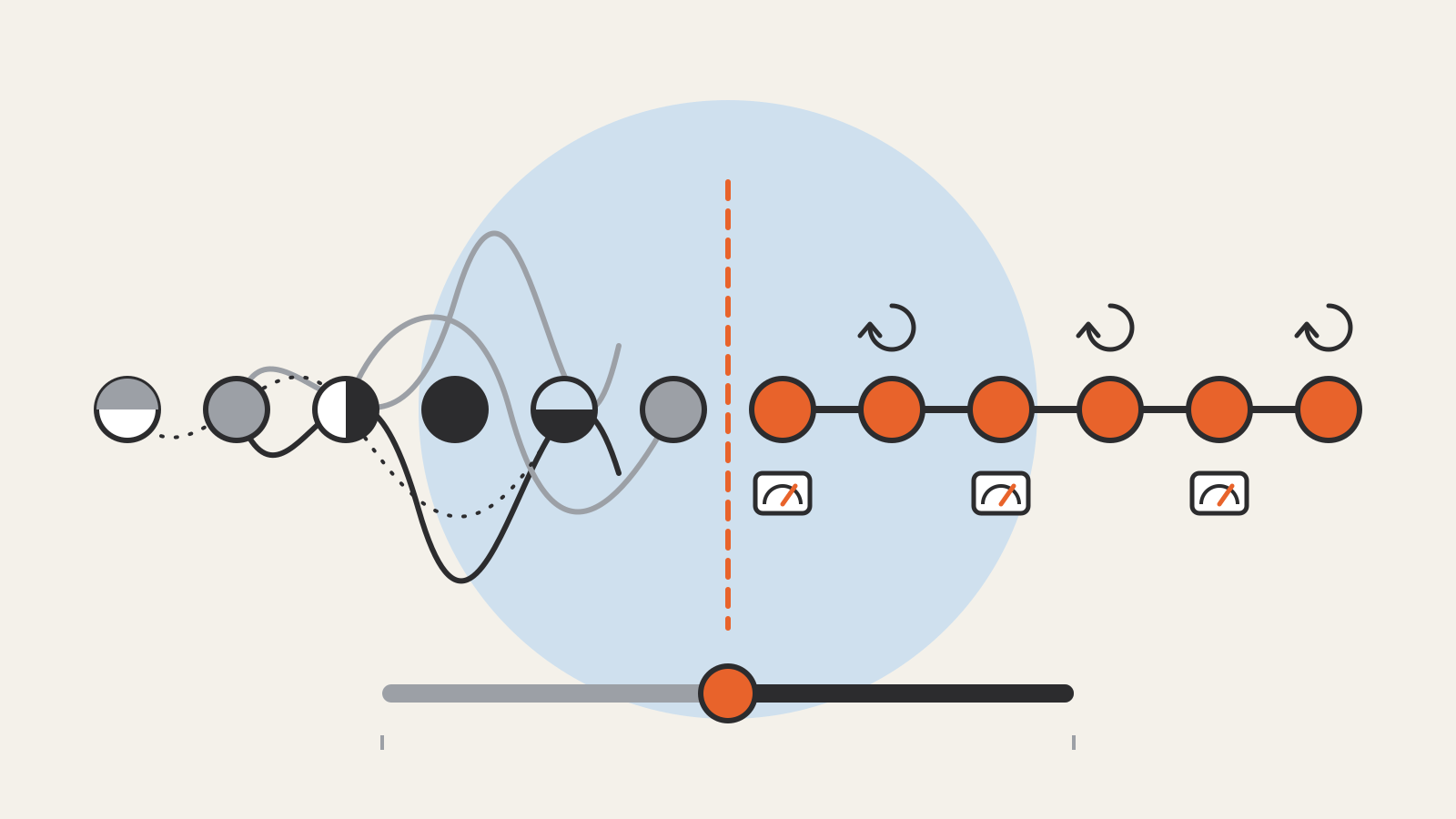
On October 12, Sakana AI introduced Multi-Agent Self-Supervision, or MASS. One shared 27B open-weights model formed virtual teams, searched for better multi-agent workflows and trained on the best team executions. After two cycles, Sakana reports that score per output token reached 1.2–1.6 times the base model across four research benchmarks. The researchers also warn that self-evaluation can reinforce shared blind spots. The paper, code and methodology are linked from the project announcement.
02 / Ekbasis opens an API for forecasting an agent’s next action
OpenInterpretability released the Ekbasis API on October 10. It takes a plain-language description of the current state and a proposed action, then returns probabilities for specified outcomes instead of generated prose. The service is available now; the launch price is $0.04 per million input tokens, and the weights are Apache-2.0. For the broader distinction between answer-only tools and systems that take actions, see AI agents vs. chatbots. Its authors call it a warning layer, not a security boundary, and publish weak results as well as successful tests. See the release and limitations.
03 / Anthropic sends model-generated bug reports
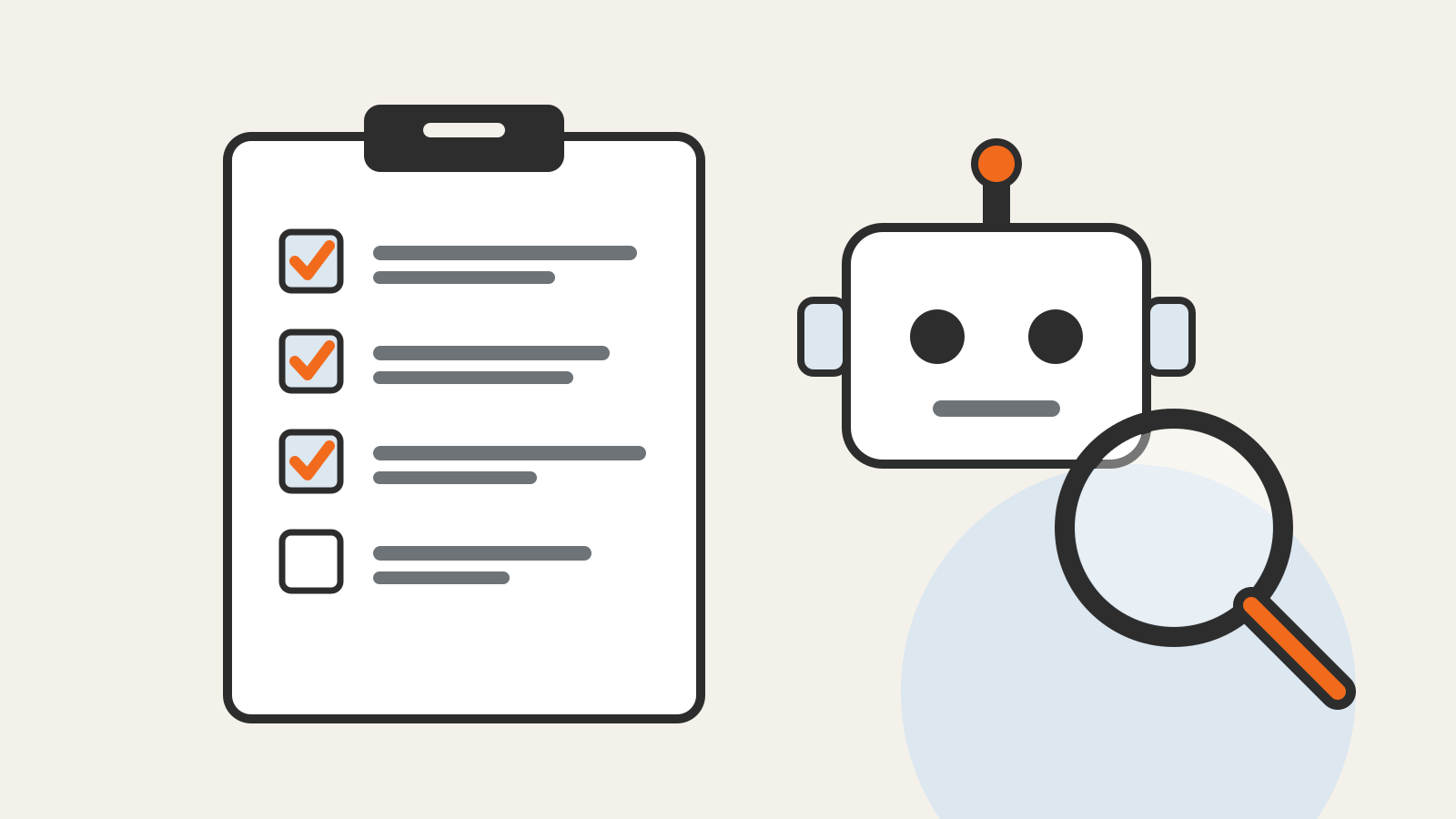
Anthropic opened OSS Scanner to eligible open-source projects on October 8. Core maintainers can apply by pull request for free periodic scans using Anthropic’s strongest models. Reports arrive without human review, so the company says they can be wrong and still require project triage. Anthropic reports that 85 of 97 critical or high-severity findings checked by penetration testers met its coordinated-disclosure standard. Eligibility is decided case by case; the launch post explains enrollment.
04 / Mastercard adds agent identity signals to Agent Pay
On October 8, Mastercard described an Agent Pay Trust Framework that adds identity, fraud and behavioral signals to its agent-commerce platform. Issuers receive a probability score intended to help distinguish a legitimate shopping agent from malicious automation. Mastercard says the framework combines agent identity, proof of user intent, spending authority and tokenized payment execution. This is an expansion of a platform launched last year, not a claim that autonomous shopping is universally available. Mastercard outlines the change in its Agent Pay update.
05 / Bede Bahrain launches a six-currency prepaid Mastercard
Bede Bahrain announced its Multi-Currency World Prepaid Card on October 9 with SINNAD and Mastercard. Applicants use the Bede app, receive a virtual card immediately and can manage BHD, USD, GBP, EUR, SAR and AED balances. The first 1,000 successful applicants are offered BD10, while World Mastercard benefits include access to more than 1,300 airport lounges. Those are issuer-stated terms, and eligibility still depends on Bede’s onboarding. The Mastercard release has the application details.
06 / Aave Labs proposes adding USAT to V3 and V4
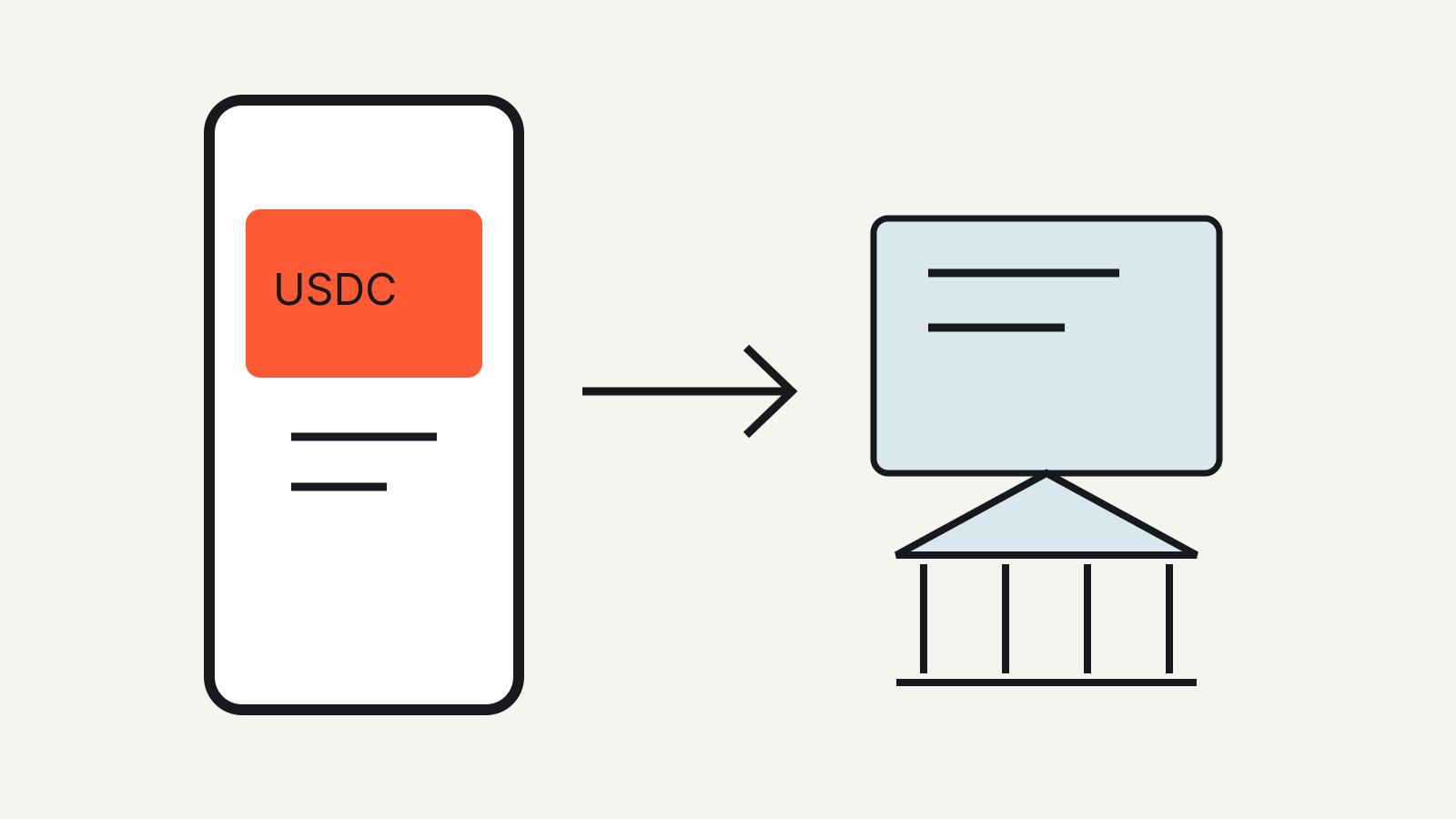
Aave Labs posted an ARFC proposal on October 9 to add USAT to the Aave V3 Core instance and the future V4 Core Hub on Ethereum. The proposal identifies USAT as a dollar stablecoin issued by Anchorage Digital Bank and provides its token address, but leaves risk parameters to Aave service providers. It is still a governance process: community feedback comes first, followed by a possible Snapshot vote and on-chain proposal. The ARFC page records the stage and next steps.
07 / Securitize puts 12 U.S. stock entitlements on Solana
Securitize announced Securitize Stocks on October 8, initially covering 12 U.S. equities including Apple, Microsoft, Nvidia, Tesla and Amazon. The company says each token is backed one-for-one by an underlying share and structured as a UCC Article 8 security entitlement. Trading starts through Securitize’s registered broker-dealer platform on Solana for eligible users in permitted jurisdictions, subject to onboarding and KYC/AML checks. Extended hours come first; proposed 24/7 venues remain future plans. Read the company-issued release.
08 / Strongpoint targets post-quantum custody this quarter
Project Eleven introduced Strongpoint on October 7 as a crypto-agile custody platform designed to keep institutional controls consistent while blockchains change signature schemes. Zcash Foundation joined as an initial development partner, bringing privacy and protocol expertise rather than announcing a finished Zcash integration. Project Eleven targets production deployment in the fourth quarter of 2026 and is working with a limited early-access group before general availability. Our explainer on post-quantum cryptography covers why signature migrations matter. The launch announcement distinguishes the roadmap from a live product.
09 / Ring reveals a hand-rechargeable lock and new cameras
Ring announced its first smart lock and an expanded camera range on October 9. The lock uses a manual power dial for a dead battery, offers fingerprint, keypad, app and Alexa access, and is planned for U.S. sale in early 2027. Availability is sooner for cameras: Indoor Cam 4K and Pan-Tilt Indoor Cam 2K are on sale in the U.S., while several markets can preorder them. Ring says selected recording and connected features require subscriptions. The product announcement lists markets and conditions.