This Daily 9 for October 18, 2026 covers official announcements published from October 12–16. The two freshest items are dated October 16; the older entries are worthwhile developments that earlier editions did not cover. Availability, enforcement dates and consultation deadlines are separated below.
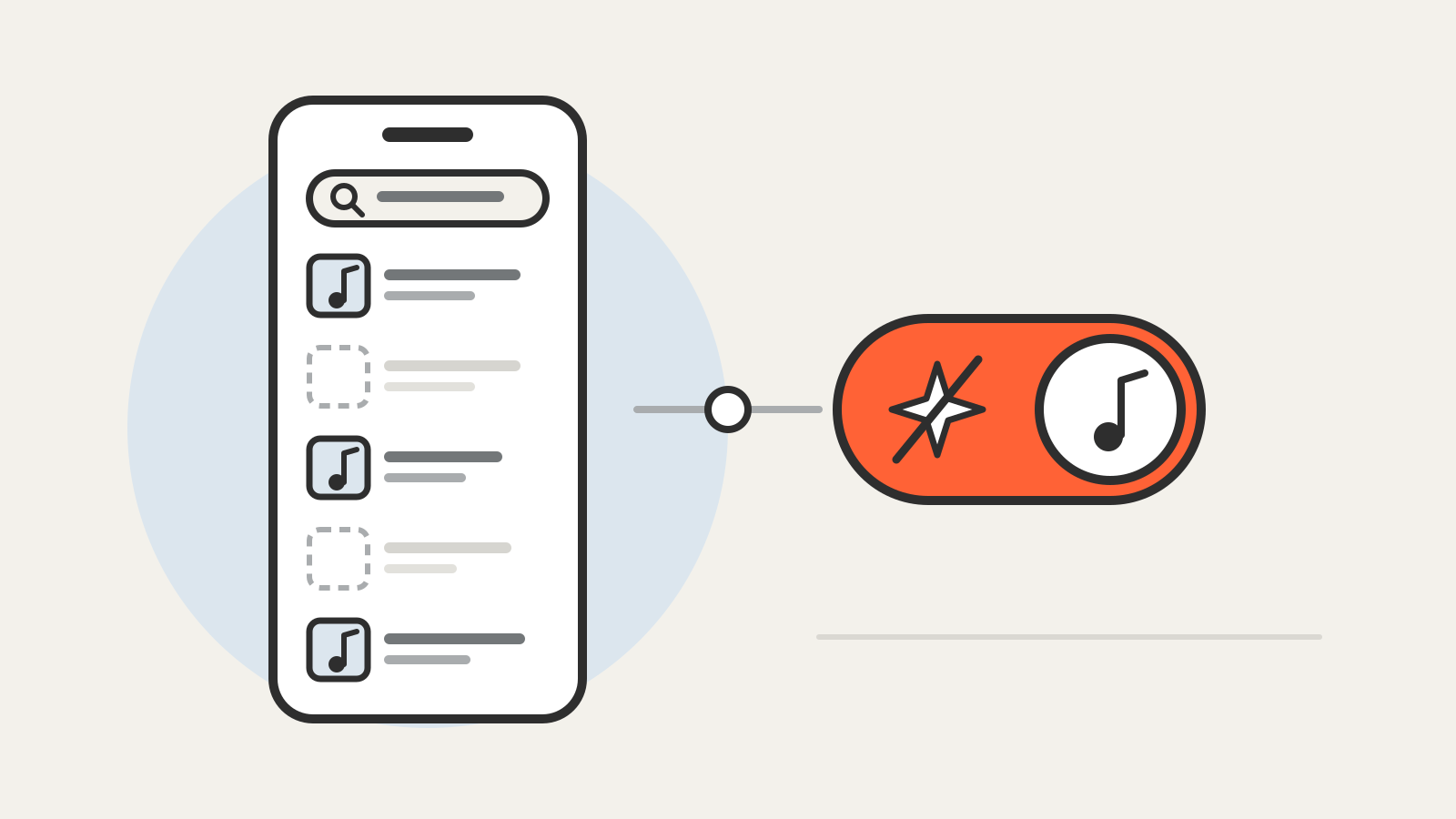
1. Deezer gives listeners a switch to hide fully AI-generated music
Event date: October 13, 2026. Deezer says a new toggle will let users exclude fully AI-generated tracks, albums and related artists from search results. The setting is optional and can be reversed at any time. It is not available yet: Deezer plans a global release before the end of 2026. The company also says it had excluded more than 42 million detected AI-generated tracks from recommendations between January 2025 and August 2026. Read our fuller report and the official announcement.
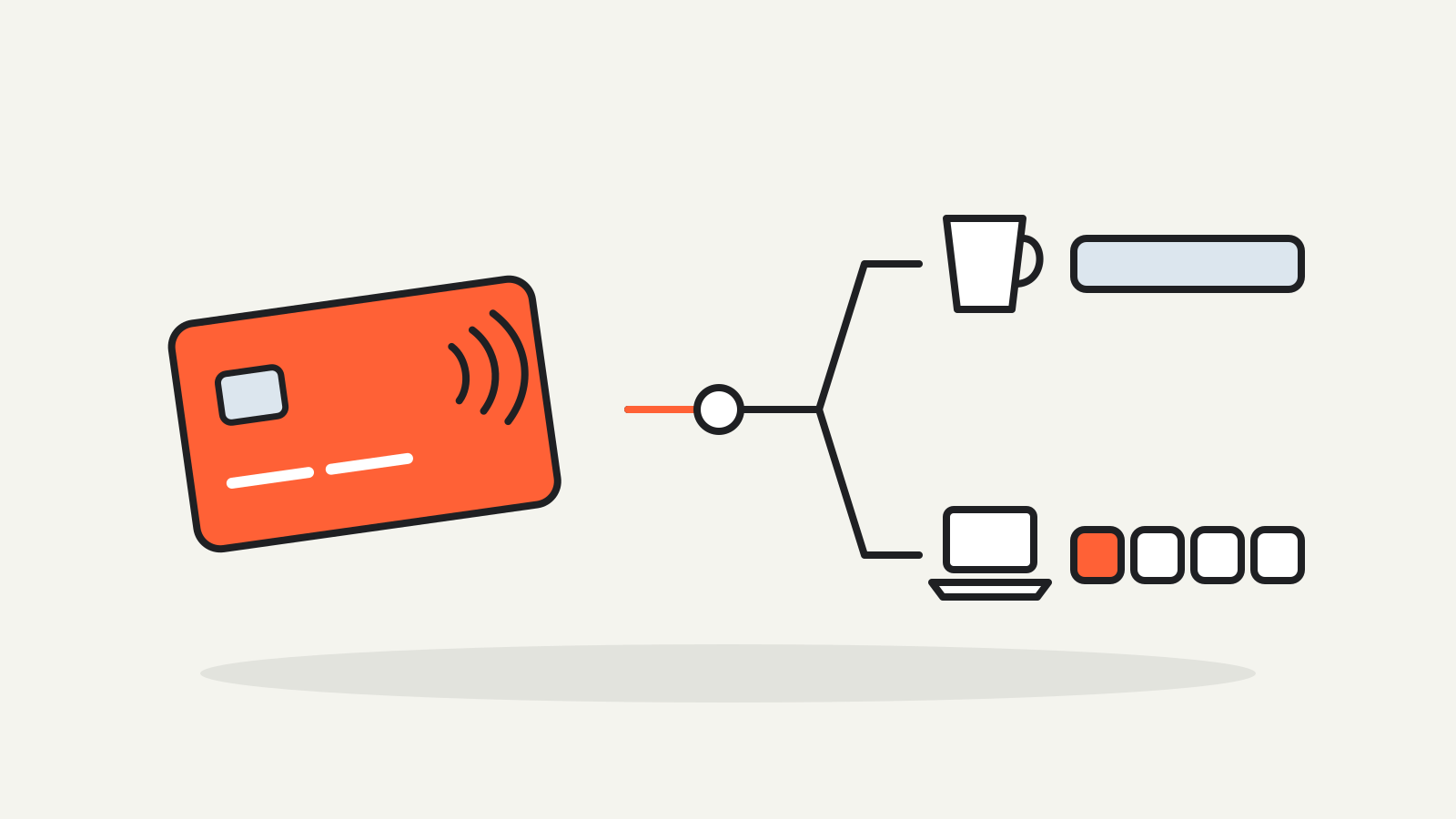
2. Splitit plans a bank-branded Mastercard with automatic installments
Event date: October 13, 2026. Splitit announced a white-label World Mastercard for mid-sized banks, credit unions and other financial institutions. Cardholders will be able to set a purchase threshold in an app: smaller purchases can remain due in full within 30 days, while larger ones can split automatically into monthly payments. Users can change the plan before the statement is due. The product is not live yet; Splitit expects availability to financial institutions in early 2027. See our detailed story and the Splitit release.
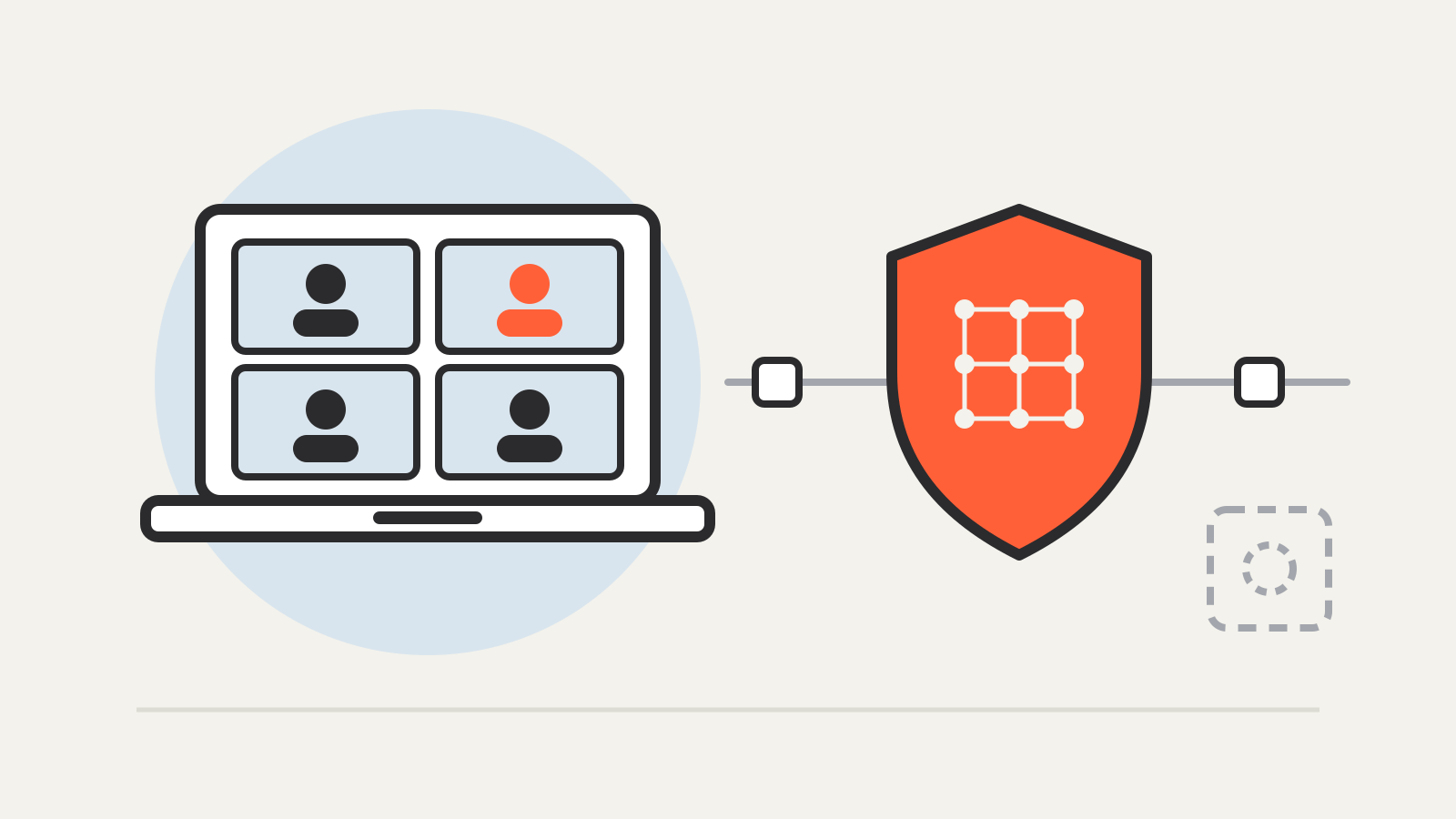
3. Google Meet rolls post-quantum cryptography into ordinary calls
Event date: October 12, 2026. Google began adding post-quantum cryptography to Meet calls on web clients and meeting-room hardware, with a gradual rollout of up to 15 days. Mobile support is described as coming soon. The change applies to Workspace customers, Workspace Individual subscribers and personal Google accounts, and neither administrators nor users need to enable it. Google says the protection is meant to reduce the future “store now, decrypt later” risk; no cryptographically relevant quantum computer exists today. Read our explainer and the Workspace update.
4. Microsoft ships Edge Stable 155.0.4283.62
Event date: October 16, 2026. Microsoft released Edge Stable version 155.0.4283.62 with the latest Chromium security updates. The company had issued version 155.0.4283.60 one day earlier, making .62 the newer stable build in the official security log. Microsoft has not yet attached specific CVE identifiers to the October 16 entry and says they will be added when available. That distinction matters: the update is confirmed, but the exact vulnerability list should not be inferred from other Chromium releases. Microsoft security release notes.
5. The FSB finalizes 12 practices for financial-sector AI
Event date: October 15, 2026. The Financial Stability Board published its final set of 12 sound practices for financial institutions using AI. They cover board and senior-management oversight, documented use cases, materiality and risk assessment, technology selection, data governance, explainability, performance evaluation, human oversight, cyber and ICT risks, and third-party dependencies. The FSB describes them as a practical toolkit that institutions should tailor to their own context and existing control frameworks, rather than a single prescriptive implementation. FSB announcement.
6. The FSB proposes eight modernization principles
Event date: October 14, 2026. A separate FSB consultation proposes eight high-level principles intended to make regulation and supervision more effective, efficient, risk-focused, coherent and forward-looking. The principles are designed for financial authorities and are meant to preserve or improve resilience while responding to new technologies, products and vulnerabilities. This is not final policy: comments are due January 8, 2027, and the FSB expects a final report in the first half of 2027. FSB consultation notice.
7. Basel Committee closes a G-SIB reporting loophole
Event date: October 16, 2026. The Basel Committee finalized changes aimed at reducing “window dressing” in global systemically important bank reporting. Participating banks will have to calculate and disclose stock indicators using averages across the reporting year rather than year-end snapshots, with implementation due by January 1, 2030. The reporting threshold rises from €200 billion to €350 billion in leverage-ratio exposure from 2027. A separate methodology consultation, including treatment of European Banking Union exposures, remains open until January 14, 2027. BIS release.
8. New York fines SEB $33 million over AML control failures
Event date: October 15, 2026. New York’s Department of Financial Services reached a $33 million settlement with Skandinaviska Enskilda Banken and its New York branch. The regulator says its investigation found gaps in customer due diligence, high-risk correspondent banking controls, client files and risk calculations. It also found backlogs and weaknesses in transaction monitoring at Baltic subsidiaries that delayed review of possible money-laundering and sanctions risks. These are findings in a consent order resolving the investigation, not a new criminal judgment. NYDFS release.
9. Coinbase restores a dedicated channel for asset announcements
Event date: October 14, 2026. Coinbase reactivated @CoinbaseAssets as the primary X account for official updates on new listings, delistings, trading availability, deposits, transfers, network changes and roadmap items. @CoinbaseMarkets will continue to cover market context, education and product updates, and may amplify asset news. Coinbase says nothing changes in how customers trade; the change is about where operational notices appear. Readers should still verify eligibility and availability inside the product instead of treating a social post as universal access. Coinbase announcement.