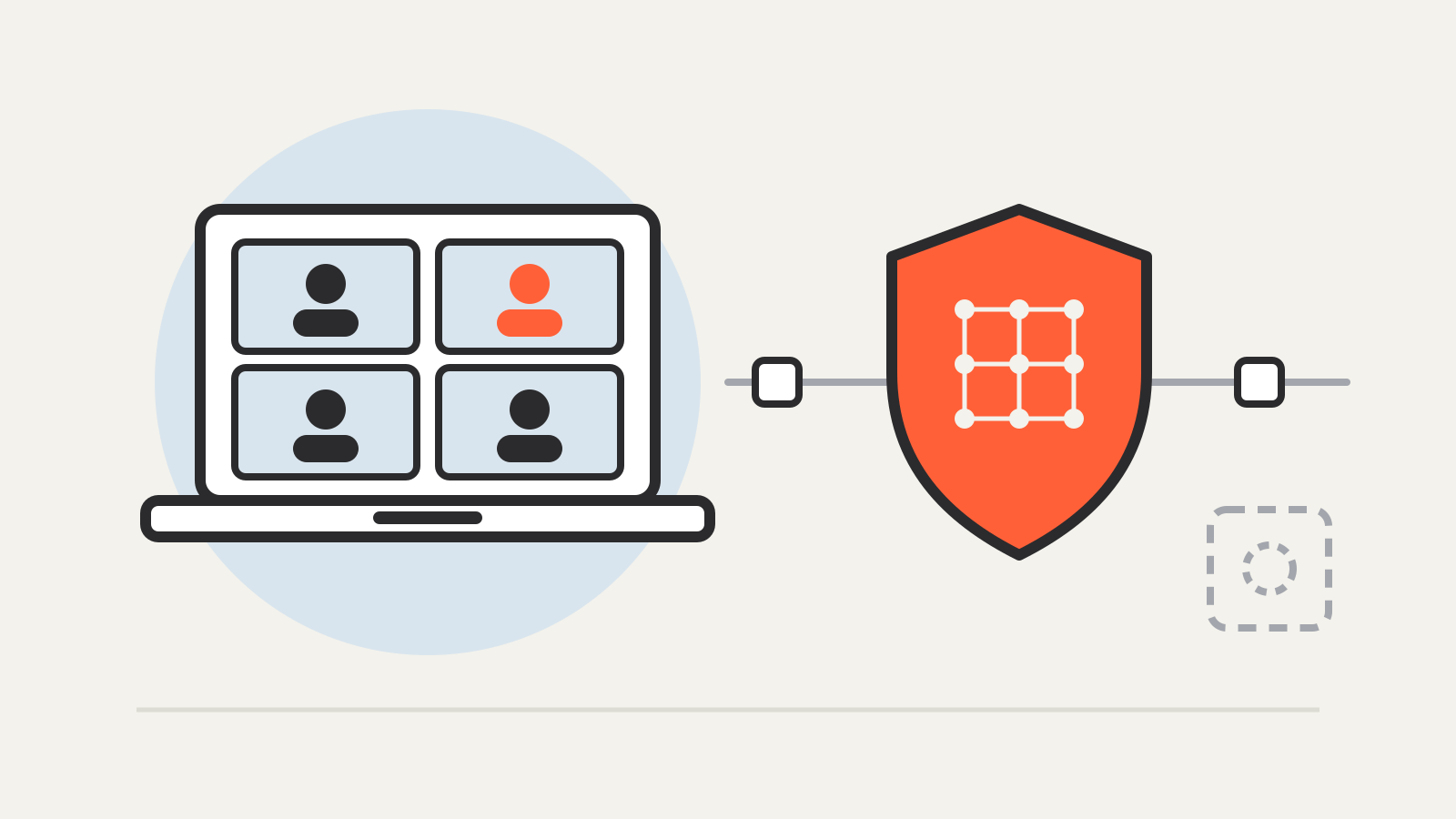
Google Meet calls now use post-quantum cryptography, Google said on October 12, 2026. The change starts with Meet in laptop web browsers and on meeting room hardware, and Google says support for mobile devices is “coming soon.” It is announced on the Google Workspace Updates blog.
What changes
Nothing that users or administrators can see. According to Google, the update brings no visible changes to Meet, there is no admin control for it, and there is no end-user setting to turn on. Calls get the new protection automatically as the rollout reaches each account.
The rollout began on October 12 for web and meeting room hardware and is gradual, taking up to 15 days to reach everyone. It covers both Rapid Release and Scheduled Release domains. Google says the feature is available to all Google Workspace customers, Workspace Individual subscribers and users with personal Google accounts.
Why Google is doing it now
Post-quantum cryptography is encryption designed to stay secure against a future quantum computer powerful enough to break today’s public-key algorithms. Our explainer on post-quantum cryptography covers how it works.
Google’s announcement frames the Meet change as protection against “Store Now, Decrypt Later” attacks, in which an adversary records encrypted traffic today and waits for a quantum computer that can decrypt it later. Google also notes that no cryptographically relevant quantum computer exists today. The point is that a call recorded now should stay private even if such a machine arrives years from now.
The Meet update follows a wider plan. In March, Google set 2029 as the timeline for its own migration to post-quantum cryptography, citing the same store-now-decrypt-later risk. That post said Google is prioritizing authentication as well as encryption and that Android 17 is integrating ML-DSA, one of the post-quantum signature standards.
How it fits with Meet’s existing encryption
Meet already encrypts all meetings in transit and at rest, using DTLS and SRTP for media, according to Google’s Meet Help page on call and meeting encryption. Personal-account calls can add optional end-to-end encryption, and organizations can use client-side encryption. Our guide to end-to-end encryption explains the difference.
Google says Meet already used quantum-safe encryption for client-side encrypted calls. The new rollout extends post-quantum protection to ordinary Meet calls. Google’s announcement does not name the specific algorithm used.
Mobile apps are the main gap for now. Until mobile support arrives, the new protection applies to calls joined from laptop web browsers and meeting room hardware.
For background on the standards themselves, see our coverage of the NSA’s post-quantum cryptography resource hub.