Solana’s mainnet now targets a 200-millisecond slot time, half of the 400 milliseconds the network launched with. The Solana Foundation says the last of four staged reductions took effect at the start of epoch 1053 on October 9, 2026, at approximately 14:35 UTC. Source: Solana Foundation
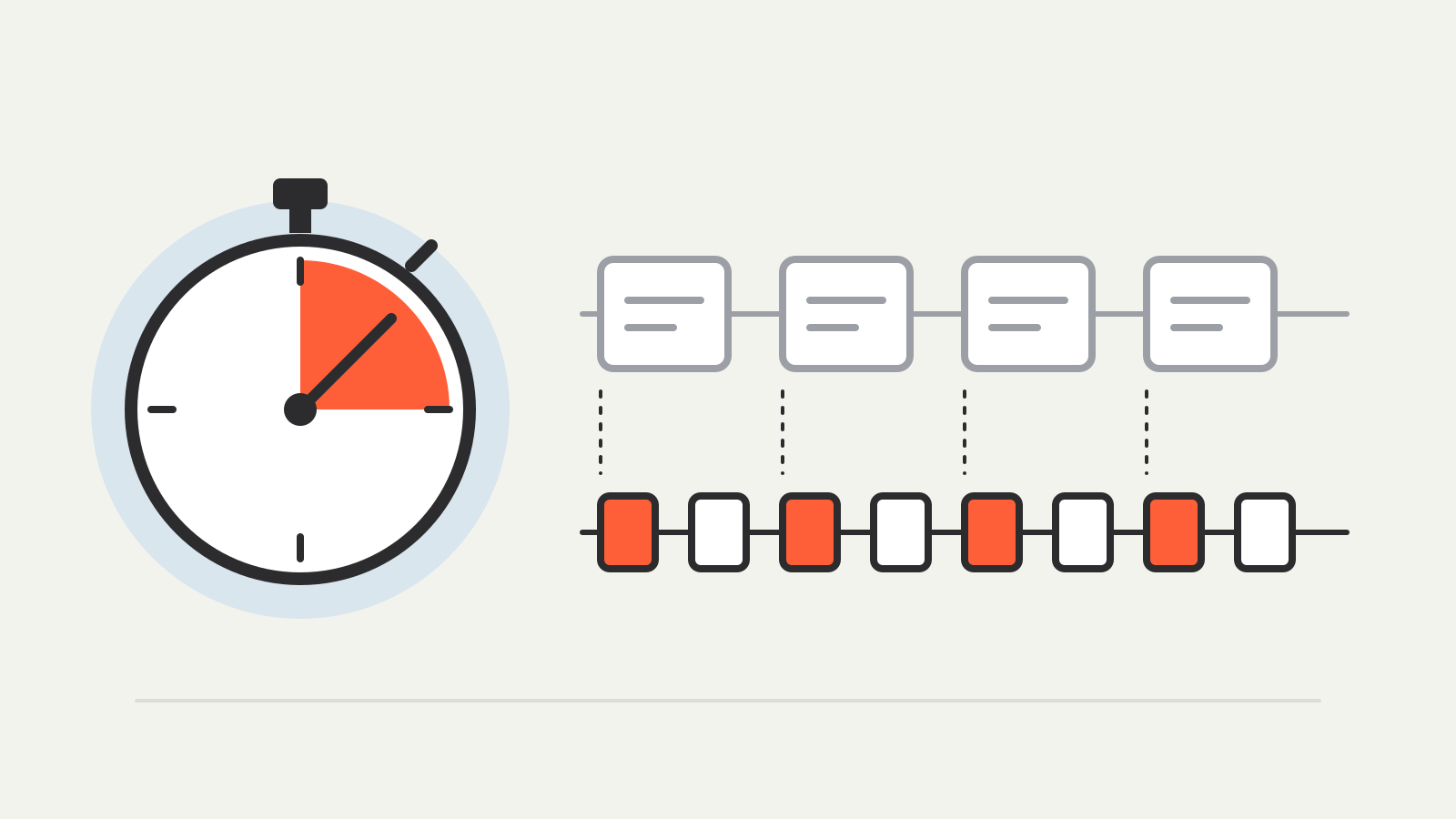
A slot is the short window in which one validator, the current leader, can produce a block. A shorter slot means blocks are produced more often, so a transaction can be included sooner.
How the change was rolled out
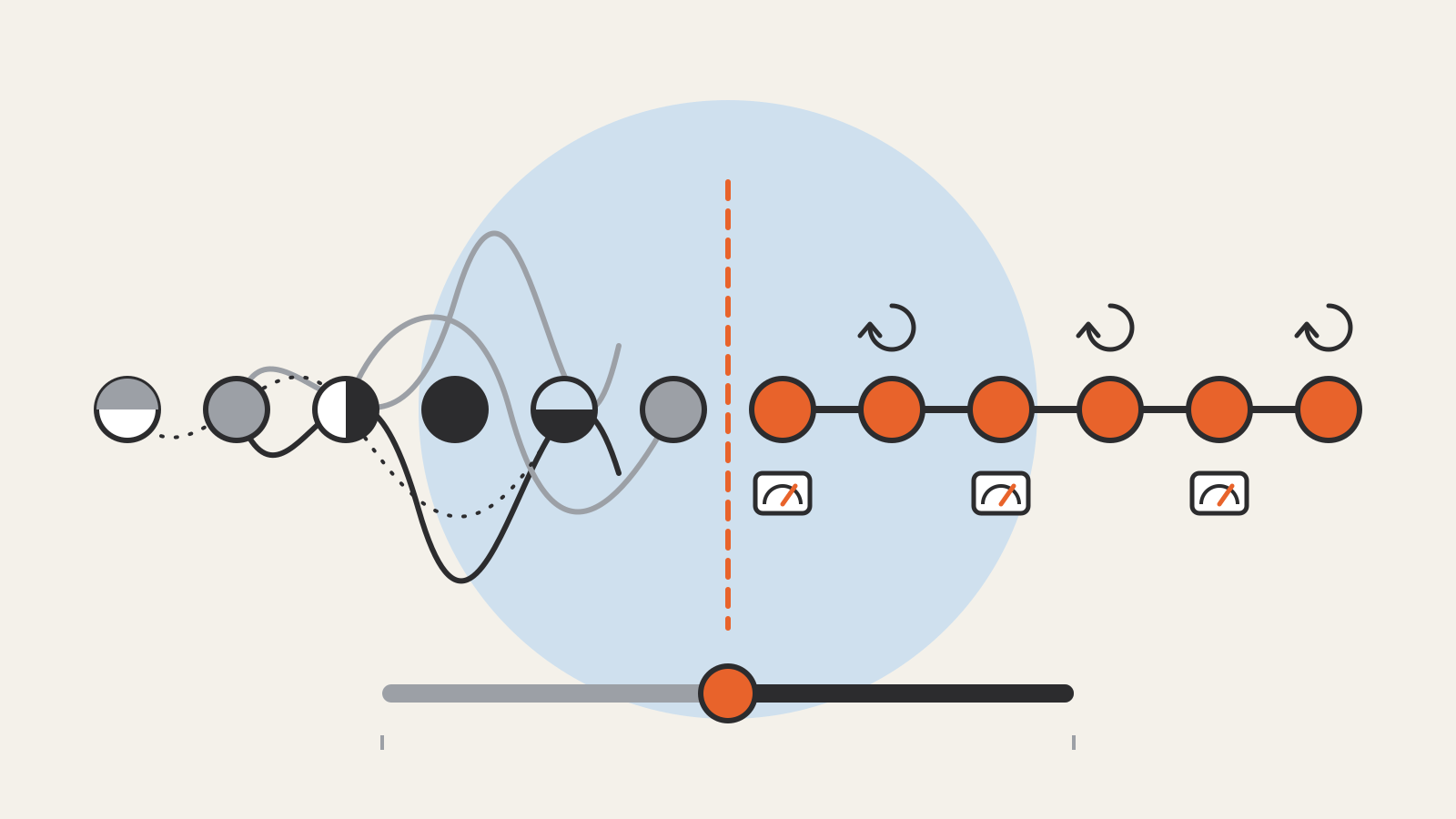
The cut was proposed and approved as SIMD-0525 and split into four 50-millisecond steps, each behind its own feature gate. According to the Foundation’s upgrade page, mainnet moved to 350 ms on August 21 (epoch 1020), to 300 ms on August 28 (epoch 1024), to 250 ms on September 18 (epoch 1037) and to 200 ms on October 9 (epoch 1053). Each gate activated at the start of an epoch, and the new slot time began at the following epoch boundary.
The steps were spaced out so core developers could watch cluster performance between them. Block skip rate was the gating criterion: validators had agreed that the network would not move to the next reduction if skip rates looked too high. All four reductions are also active on devnet and testnet.
The change did not alter the number of ticks per slot, the four-slot span each leader gets, or the 432,000 slots in an epoch. Because an epoch is a fixed number of slots, it now lasts about 24 hours instead of roughly 48, so validators are rewarded about twice as often. The Foundation also presents the change as a censorship-resistance measure, since it shortens the time any single leader controls block building.
What developers and wallets need to check
The Foundation lists the upgrade as not breaking, but anything that turns slots into wall-clock time now converts at a different rate:
- Slot-based timing. A slot count multiplied by 400 ms no longer describes elapsed time. Countdowns, estimated timestamps and “time until slot X” calculations drift unless they read the current slot duration or call
getBlockTimeinstead of using a hardcoded constant. - Blockhash expiry. A transaction’s recent blockhash still expires after 150 blocks, but that now takes about 30 seconds instead of 60. Offline signing flows that wait for a person to confirm have less time before the blockhash goes stale. Our explainer on what a crypto wallet stores covers why the signature is the step a wallet controls.
- Indexers. No format changes are needed, but the network now produces twice as many blocks per day as it did at 400 ms, so storage and ingestion need to scale accordingly.
The Foundation publishes live mainnet slot measurements on its 200ms monitoring page. The 200 ms figure is the protocol’s target; the page’s readings are measured from mainnet, so actual slot times can differ from it.
What has not changed yet
Slot time is how often blocks are produced; finality is how long it takes until a transaction cannot be reversed. Those are separate measures. The Foundation’s page on Alpenglow, Solana’s next consensus upgrade, says finality currently takes about 12.8 seconds and that Alpenglow targets roughly 150 milliseconds. Its first phase is set to ship in the Agave 4.3 release, which the Solana upgrades page lists as expected in October 2026 and still in development. Unlike the slot-time cut, Alpenglow is marked as a breaking change for some developer tools.