C2PA is an open technical standard for recording where a photo, video, audio file or document came from and what happened to it afterward. The name stands for the Coalition for Content Provenance and Authenticity, the industry group that writes the standard. The records it produces are called Content Credentials.
A Content Credential works like a signed history label attached to a file. It can say which camera or app created the file, which tools edited it and whether generative AI was involved. What it cannot do is tell you whether the scene in the picture is true. That limit is written into the standard itself, and it is the most important thing to understand before you rely on one.
Sources checked: October 25, 2026.
What C2PA and Content Credentials mean
The C2PA website describes the coalition’s work as an open technical standard that lets publishers, creators and consumers “establish the origin and edits of digital content,” and says the standard is called Content Credentials. In everyday use the two names overlap: C2PA is the specification and the group behind it, while Content Credentials is the reader-facing name for the data a file carries.
The standard is not limited to AI. The C2PA FAQ describes provenance as the recorded history of a piece of content from the moment it is created through later changes. A news photographer’s camera, a photo editor and an image generator can all write to the same kind of record.
The specification is released under a royalty-free license, according to the same FAQ, so open-source and commercial products can implement it without paying license fees.
What is inside a Content Credential
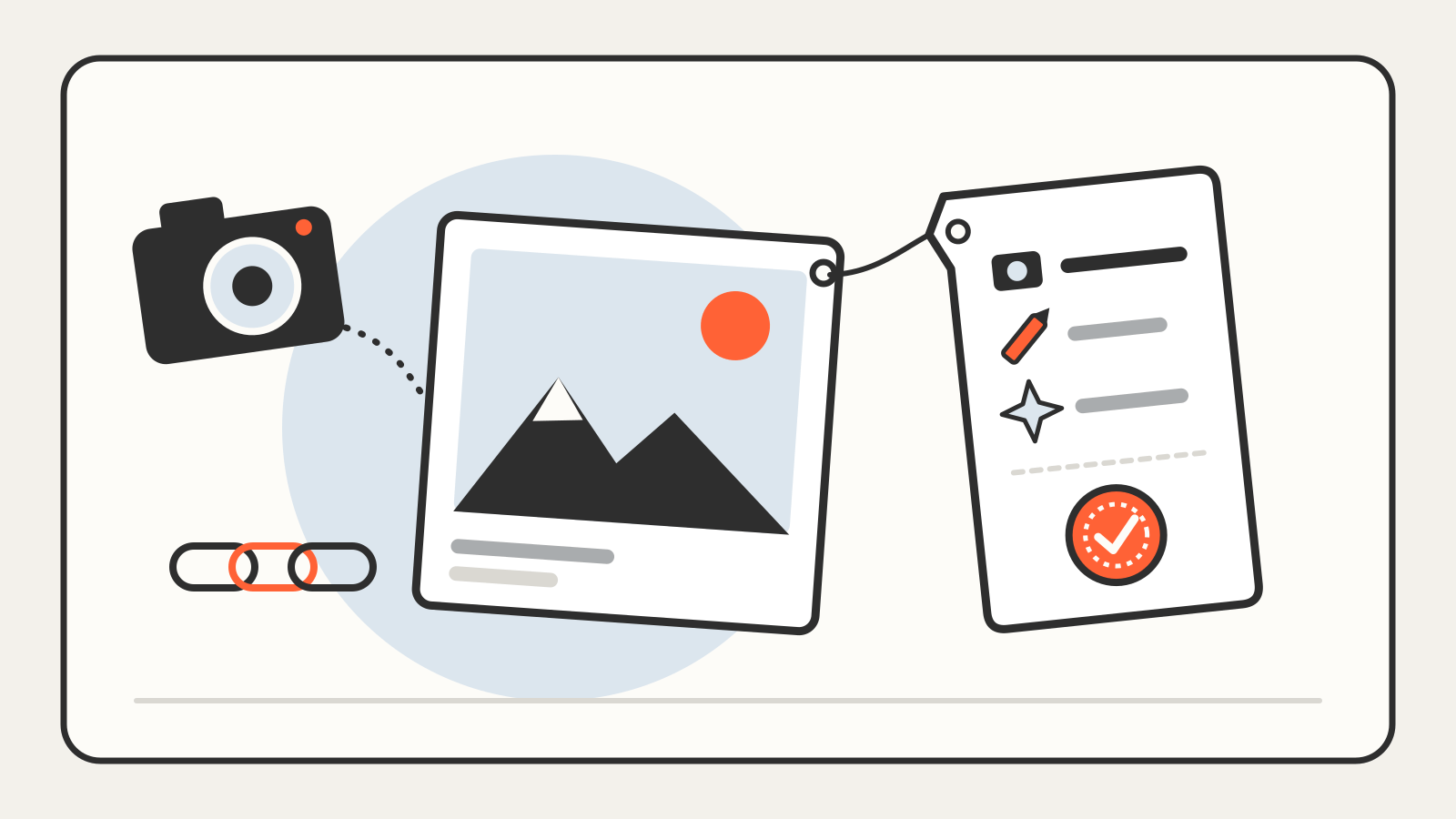
The technical name for a Content Credential is a C2PA Manifest. The C2PA technical specification breaks it into three parts:
- Assertions. Individual statements about the file, such as how it was captured, which edit actions were applied and what device or software was used.
- A claim. A structure that gathers those assertions, along with information that binds them to this exact file.
- A claim signature. A digital signature over the claim, made with the signer’s private key.
The software or hardware that assembles and signs this package is called a claim generator. When a file is built from other files, for example a composite image, the manifest can list those sources as “ingredients,” each with its own credential.
The C2PA explainer adds that companies can define their own assertions beyond the standard set, such as who created the content or whether they want it used for AI training.
How tampering is detected
The core protection is a cryptographic hash, which the C2PA explainer calls a hard binding. In the specification’s own camera example, the manifest includes hashes that bind the photograph to its record, and the whole package is signed. The explainer compares the file and its record to two halves of a unique puzzle: any alteration to either one, however small, means the pieces no longer match.
The result is tamper-evident rather than tamper-proof. Nobody is prevented from editing the file, but an edit made outside a Content Credentials tool, or a change to the recorded history without a new valid signature, shows up when the credential is checked.
Trust in the signer is a separate question. Under the C2PA FAQ, signing certificates for conforming products come from certification authorities on the C2PA Trust List, and products go through a Conformance Program. The certificate records an Assurance Level that reflects how closely the product was evaluated. A valid signature from an unknown or untrusted signer proves only that the data has not changed since that party signed it.
What Content Credentials do not prove
The C2PA explainer is direct about this. Content Credentials “do not provide value judgments” about whether provenance data is true. They show whether the data is well-formed, unaltered and signed by a known party. A staged scene photographed with a conforming camera will still carry a valid credential.
Google Photos Help says the same thing for its own display: Content Credentials do not tell you whether a photo or video is real or fake.
Several other limits follow from the design:
- The history can be incomplete. The explainer notes that a file cropped in a tool that does not support Content Credentials will not record that crop. A later signer implicitly vouches for the version it received.
- The record can be removed. Metadata can be stripped. OpenAI’s provenance help page says Content Credentials can be lost through everyday actions such as taking a screenshot or converting a file.
- Missing credentials are not evidence of fakery. Adding provenance is optional. The explainer says no assumption should be made about an asset’s trustworthiness purely because it does or does not carry Content Credentials.
- It is not copy protection. The C2PA FAQ says Content Credentials are not a form of DRM. They describe a file’s history without restricting how people use it.
To make credentials more durable, the standard supports “soft bindings”: an invisible watermark or a content fingerprint that can help find a credential stored elsewhere after the embedded copy has been stripped.
C2PA and AI-generated images
Content Credentials are one of the main ways AI companies label generated media in a machine-readable way. OpenAI’s help page says images generated with ChatGPT, Codex or the OpenAI API carry both Content Credentials and an invisible SynthID watermark. The company combines the two because metadata can carry detail but is easy to lose, while a watermark carries less information but is embedded in the image itself. OpenAI also says these provenance signals do not include details about the user, organization or prompt. For how ChatGPT handles conversations and account data more broadly, see our ChatGPT privacy entry.
OpenAI runs a checker at openai.com/verify, but it looks only for OpenAI’s own signals. A negative result does not mean an image was made without AI.
Text is a different problem. A large language model produces words, not a media file, so a chat answer does not usually carry a C2PA manifest. Checking a written answer still depends on its sources, as our guide to AI hallucinations explains.
C2PA in cameras and photo apps
Provenance is most useful when it starts at capture. Google says in its Pixel security post of September 10, 2025, that Pixel Camera on the Pixel 10 lineup attaches Content Credentials to every JPEG photo it captures, and that the app achieved Assurance Level 2 in the C2PA Conformance Program. Google also describes a private-by-design certificate approach in which no image or group of images can be related to one another or to the person who created them.
Google Photos reads and extends these records. Its help page says that on Android and iOS the About panel shows a “How this was made” section, which can report whether media was captured with a camera and whether it was edited with AI or non-AI tools. Google Photos adds Content Credentials when an AI edit is saved to a photo that had none. The feature is not available on Google Photos on the web.
These are company descriptions of their own products, not independent tests. They do show the general pattern: a credential is only as complete as the chain of tools that handled the file.
How to check a file’s Content Credentials
A practical approach:
- Use a tool that reads C2PA. Google Photos on mobile shows a summary for supported files. The C2PA FAQ also mentions the C2PA Verify tool for validating credentials.
- Look at who signed the record. Google Photos, for example, displays the company that signed each part of the history. A known publisher or device maker means more than an unfamiliar name.
- Read the edit history. Note whether the record mentions AI tools, non-AI edits or several source files.
- Treat an error as a signal, not a verdict. Google Photos flags credentials that were modified without proper re-signing, as well as unsupported versions. Investigate further before concluding anything.
- Check the content, too. Provenance tells you where a file came from. Whether its claim is accurate still depends on the source, the context and other reporting.