
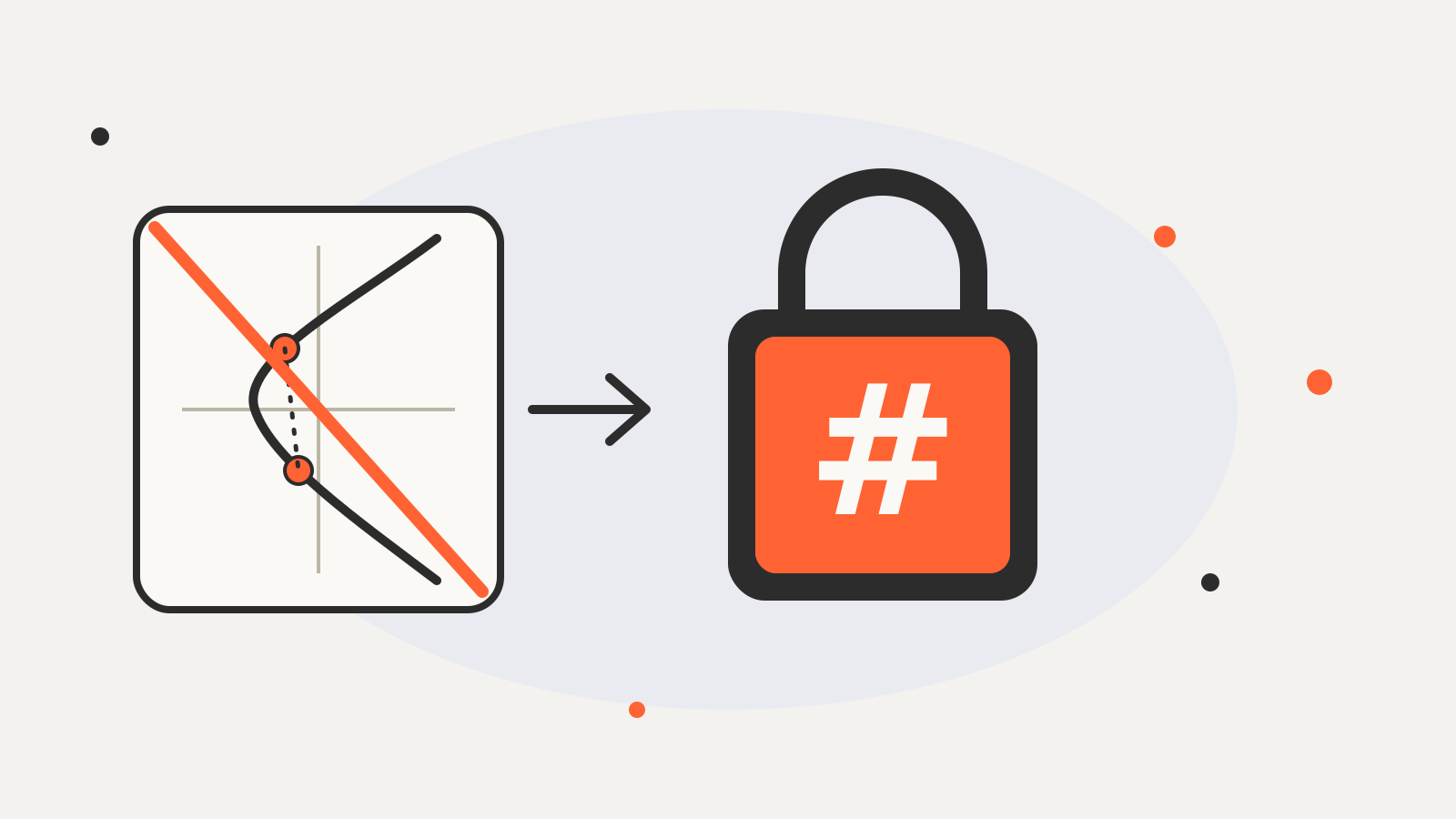
The Ethereum Foundation says the network should move from elliptic-curve signatures to hash-based cryptography, and that the work now outranks other protocol features. The plan appeared in a November 23, 2026 post by Kev Wedderburn on the foundation’s blog, written after Devcon in Mumbai. A second post on November 24 named the hash function the foundation recommends.
What the foundation proposes
The foundation says it has planned mitigations against quantum computers for years, but that AI emerged more recently as a more urgent risk, because models are finding bugs in production software faster than people can review them. It does not claim AI can break the math behind cryptography. It argues that, as risk management, moving off assumptions it considers weaker is more prudent than waiting for AI to improve further.
The plan has three parts, in the foundation’s words:
- Consensus: validators sign with hash-based keys, so finality no longer depends on elliptic curves.
- User accounts: wallets give users a straightforward way to move to hash-based signatures.
- Data: blobs switch to hash-based commitments.
After more than a year of evaluating candidate signature schemes, the foundation advocates hash-based cryptography as the replacement. Its reasoning is that Ethereum’s protocol already relies on hashes being secure, so the switch adds no new assumption. For background on the threat itself, see what post-quantum cryptography is and what Q-Day means.
The hash function and the timeline
In the November 24 follow-up, the foundation recommends Keccak-256. Ethereum already uses it for addresses and execution-layer state, so choosing it avoids adding a third general-purpose hash next to Keccak and SHA2-256. The post also names Keccak-duplex for Fiat-Shamir transformations and SHAKE256 for pseudorandom bit generation and key derivation. It sets a proving target of about 500,000 hashes per second inside the zkVM it plans to use.
On timing, the foundation reports that Justin Drake put forward December 2028 as a target at Devcon. It calls 2029 its internal deadline, with a timeline review planned for January. Ethlabs published its own timeline view, called pqai27, and pulled its Quick Slots proposal out of the Hegotá upgrade to free engineering time. Early specifications have started, and the foundation is iterating on its first post-quantum consensus-layer devnet. The remaining core developer (ACD) calls this year will discuss which other features to remove from the fork.
What it will cost
The foundation is blunt about trade-offs. Features people have spent years on will have to wait. Tooling built around BLS signatures must be reworked, and contracts that assume pre-quantum cryptography will need updates. Wallets, multisigs and staking pools all need changes, and much larger signatures mean hardware requirements must be watched so people can still run nodes at home. The foundation has doubled its protocol security team and says formal verification must keep pace.
What is still open
These are goals, not a scheduled upgrade. The posts give no fork name or activation date, and the December 2028 and 2029 figures are targets that the foundation says it will review. Other networks are moving the same way: Tezos has an experimental testnet for post-quantum signatures, which is separate from its mainnet.