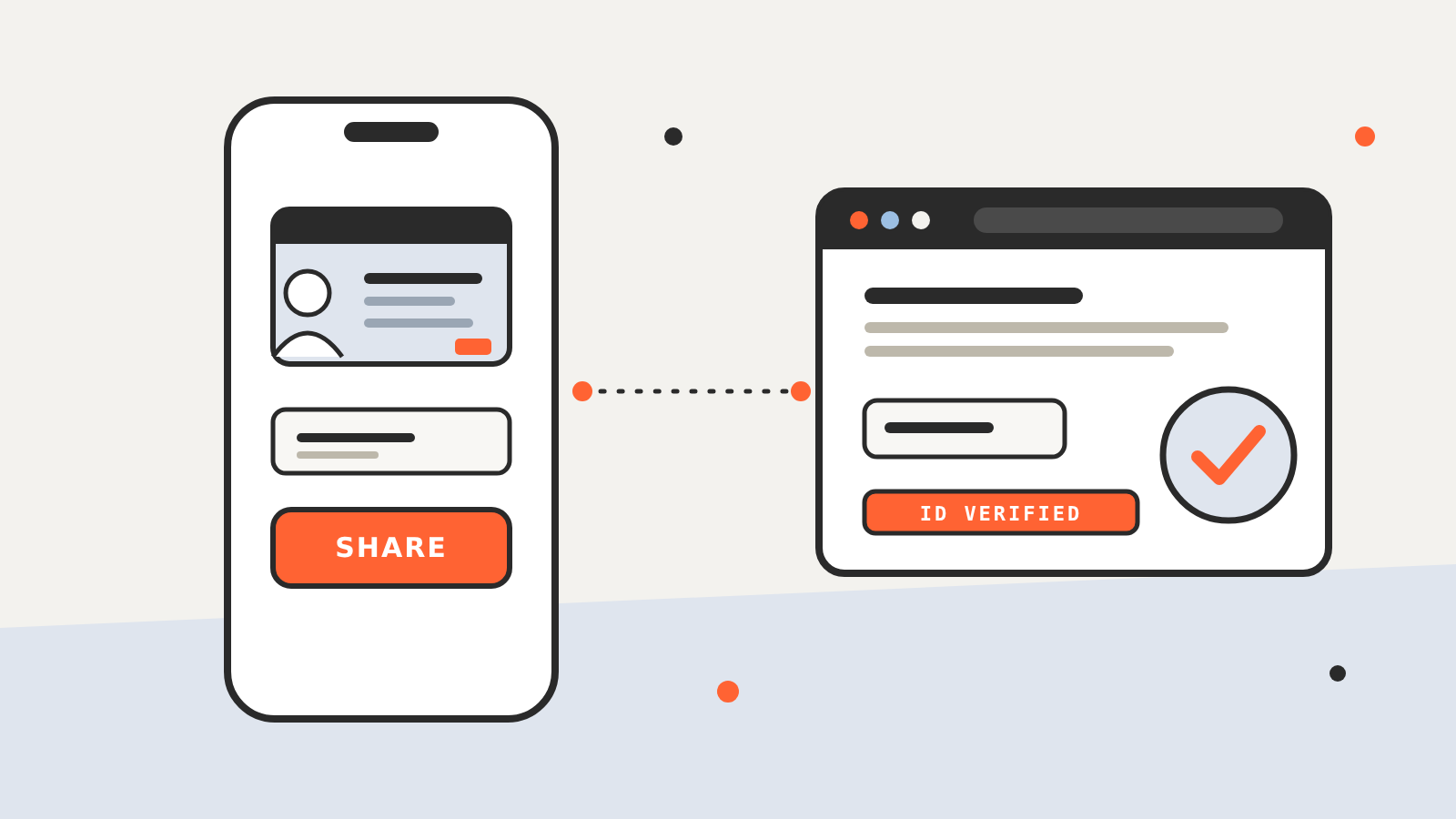
NIST has published a draft guide on how organizations can accept mobile driver’s licenses (mDLs) for online identity checks, and it is asking for public comments until December 20, 2026. The agency announced the project on November 19. The draft, Special Publication 1800-42, comes from its National Cybersecurity Center of Excellence (NCCoE), which built a working demonstration with industry partners, including five of the 10 largest U.S. banks.
The problem NIST describes is a standoff. An mDL is a driver’s license stored on a phone, protected with cryptography, and NIST says 22 U.S. states and territories now run active programs, with at least 5 million mDLs in use and about 47% of the population having access to them. Yet very few online services accept one. “It’s a chicken-and-egg problem,” NIST security engineer Bill Fisher said: people will not adopt mDLs until they work in everyday high-value situations, and companies hesitate to build for them without demand.
What the reference architecture shows
NIST’s demonstration, built from commercially available, off-the-shelf technology and standards, covers three capabilities:
- A user presents an mDL to prove identity during an online transaction.
- In high-risk moments, such as a high-dollar transaction or account recovery, the service asks for the mDL to re-establish trust in who is on the other end.
- The service issues a phishing-resistant authenticator, a passkey, to the verified user.
For the passkey part, see what a passkey is.
What the draft covers
According to NIST, the report details the architecture and its components, the benefits to security and privacy, the threats to an mDL ecosystem and ways to reduce them. It also lists seven usability best practices drawn from testing with volunteers, covering the system’s performance, satisfaction and feedback. The PDF itself is labeled the second public draft and sets the comment window as November 17 to December 20, 2026. Comments go to mdl-nccoe@nist.gov.
The base document covers online remote identity proofing and what it calls step-up authorization for high-risk transactions. Companion guides split the audience: 1800-42A addresses financial institutions and their customer identification program requirements, and 1800-42B will address government credential service providers. Banks supplied the first demonstration case, but NIST says the content applies to any organization that accepts physical IDs today, including for healthcare information and government services.
What it is not
NIST’s practice guides are voluntary. The draft says they describe example implementations and are not regulations or mandatory practices. The project also did not cover issuing an mDL into a digital wallet. Fisher’s own summary of the obstacle is not technical: “what limits current mDL adoption isn’t the technology itself, but the maturity of the surrounding ecosystem,” which needs coordination among ID issuers, technology providers and businesses.