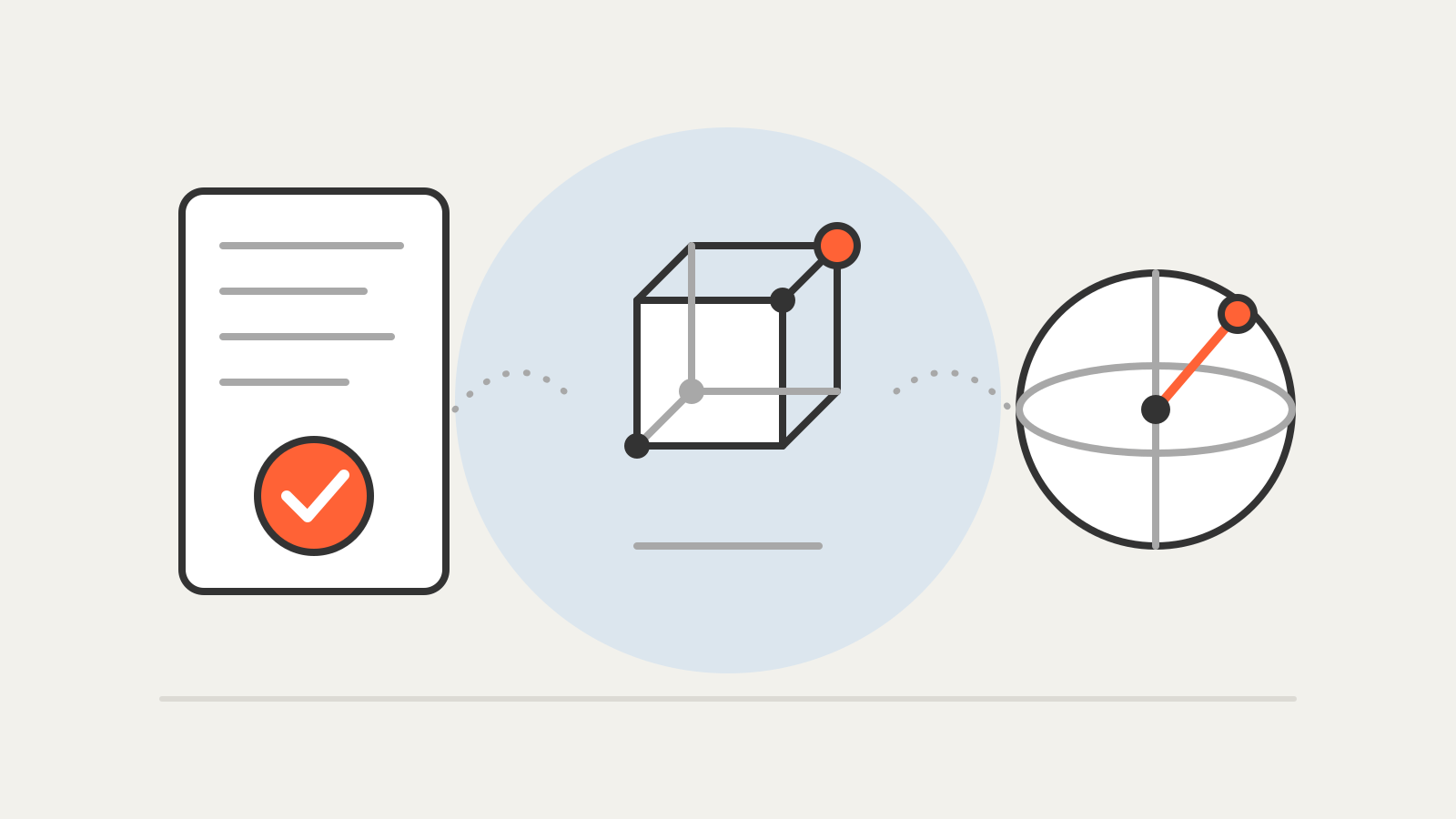
ParityQC, a quantum architecture company in Innsbruck, has published a method for correcting errors in quantum optimization runs on neutral-atom hardware without adding any qubits. The preprint, “Error-Corrected Quantum Optimization via Rydberg Atom Array Embeddings,” was released on ParityQC’s site on November 6, 2026. The authors come from ParityQC, the University of Innsbruck and QuEra Computing, and they tested the method on data from QuEra’s Aquila machine. The paper has not been peer-reviewed yet.
The problem it tackles
Neutral-atom machines such as Aquila can solve optimization problems by mapping them onto a grid of atoms. When an atom is excited to a high-energy Rydberg state, it blocks its close neighbours from being excited too. That blockade is what turns the physics into a QUBO problem, a standard form for optimization tasks such as picking the best set of nodes in a graph.
To fit a real problem onto a flat grid, the embedding adds extra atoms that carry information between the atoms that matter. Those extra atoms are usually treated as overhead. Errors in the run show up as wrong answers, and on today’s hardware many runs return no exact solution at all.
Superatoms as a built-in check
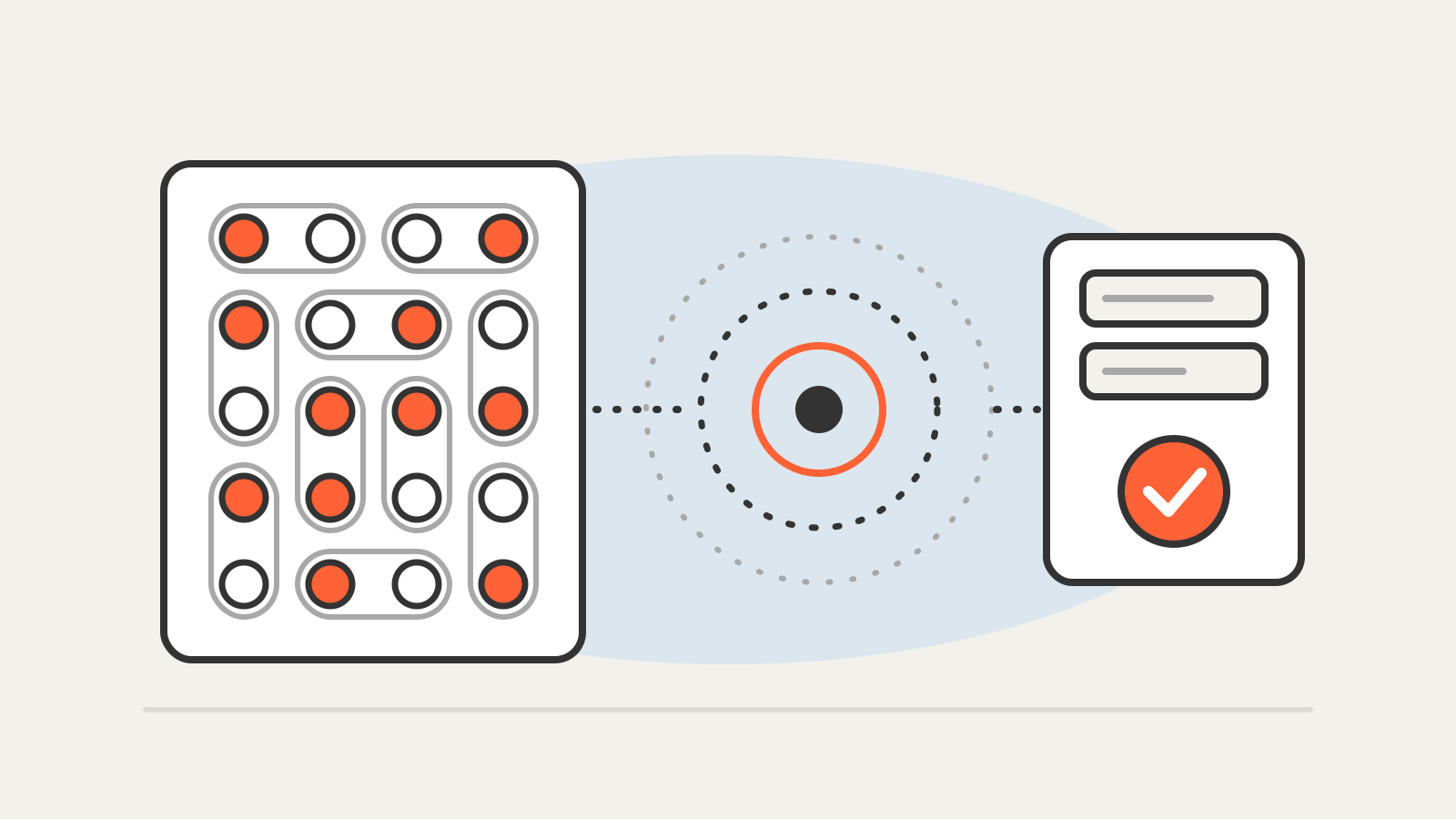
The paper’s idea is to use the extra atoms as an error check. In the embedding, groups of atoms form what the authors call superatoms. Because of the Rydberg blockade, a superatom in a valid state holds exactly one excitation. If a measurement finds any other count, something went wrong in that region.
Counting excitations therefore gives an error syndrome, the same kind of signal that error-correcting codes use, and it costs no extra hardware. ParityQC calls this the Rydberg-Parity code. The authors point out that it is a nonlinear code, unlike the linear codes common in quantum error correction. Our explainer on quantum error correction covers how syndromes work in more familiar codes.
The Cluster decoder
A syndrome only says where something broke. A decoder has to decide how to fix it. The team wrote a new one, the Cluster decoder. It works locally, looking at small regions of the atom grid, and when a correction is ambiguous it grows the cluster until the choice becomes clear.
In numerical simulations, the decoder reached an error-correction threshold of 26% bit-flip probability. A threshold is the error rate below which correction keeps up with the errors. The 26% figure comes from simulation, not hardware.
What the Aquila data showed
The team ran the decoder on experimental data from QuEra’s Aquila for QUBO problems on complete graphs and bipartite graphs, using up to 107 atoms. On those runs, the decoder recovered exact solutions with an average success rate of at least about 8%. The raw data and a classical post-processing method called GreedyMIS found no exact solutions in the same cases. According to the paper, the gap between the decoder and the other methods grows as the problems get bigger.
An 8% success rate is low in absolute terms. The point is the comparison: the same hardware data went from no exact answers to some, with no change to the machine.
Beyond one layout
The authors say the same approach applies to other ways of embedding problems in atom arrays, including crossing lattices and three-dimensional quantum wires. They do not report hardware results for those layouts. For background on why neutral-atom machines are built differently from superconducting and trapped-ion ones, see our comparison of qubit types.