Daily 9 October 21 2026 tracks nine verified developments across AI, fintech, crypto, software and consumer tech. Eight were announced on October 20; the Coinbase–Thunes partnership dates to October 19. For background on contactless payments, see how a digital wallet works.
1. Salesforce signs a $5.66 billion agreement to acquire Braze
Event date: October 20, 2026. Salesforce signed a definitive agreement to acquire customer-engagement platform Braze for about $5.66 billion in enterprise value, with Class A holders due $47.50 in cash per share. Salesforce says Braze’s real-time event streaming and AI decisioning would strengthen Marketing Cloud across mobile, web, email, SMS and WhatsApp. This is not a completed acquisition: closing is expected in Salesforce’s fiscal 2028 and remains subject to Braze shareholder approval, regulatory approvals and other customary conditions. Source: Salesforce
2. UK competition watchdog proposes wider iPhone contactless access
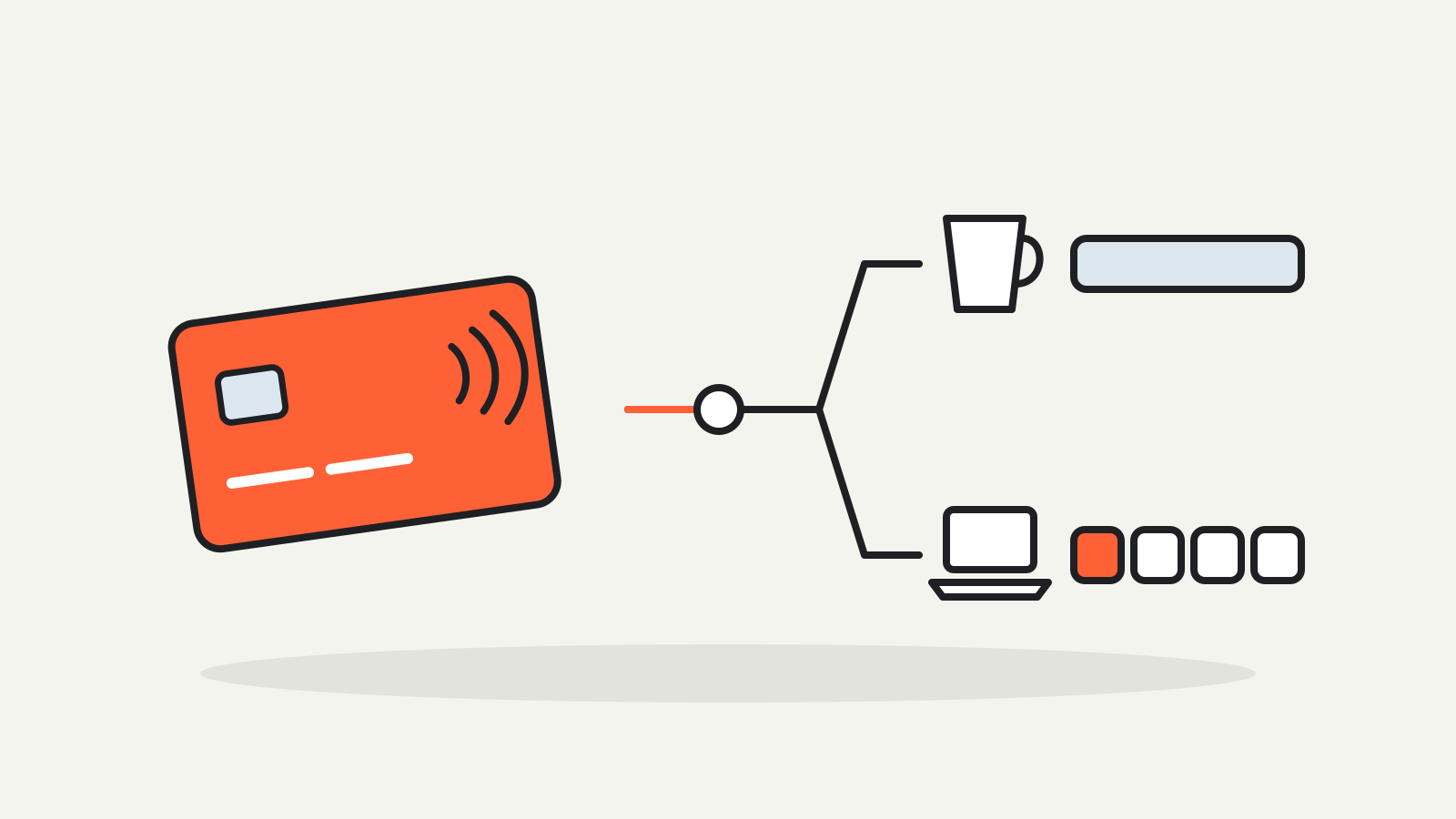
Event date: October 20, 2026. The UK Competition and Markets Authority opened a consultation on proposed iPhone NFC access requirements. The plan would require Apple to support both secure-element and host-based card-emulation standards, while applying pricing principles intended to make access commercially viable. The CMA is not setting a fee, and this is not a final rule. It says broader access could support competing wallets, account-to-account payments, digital IDs, travel passes and keys. Consultation responses are due by November 17, with a decision to follow. Source: CMA
3. Visa pilots agent-run invoice payments
Event date: October 20, 2026. Visa, BILL and Billtrust launched a live pilot in which an authorized AI agent can complete a buyer-approved invoice payment through a supplier portal. The flow uses Visa’s Trusted Agent Protocol, tokenized payment credentials and controls tied to an approved instruction; the agent does not decide which bills to pay. Billtrust authenticates the agent without requiring a shared portal login. The companies say the pilot is already processing end-to-end transactions for participating BILL buyers and Billtrust suppliers, while preserving supplier oversight. Source: Visa
4. Coinbase and Thunes connect stablecoin rails to local payouts
Event date: October 19, 2026. Coinbase and Thunes announced a collaboration linking Coinbase’s stablecoin infrastructure with Thunes’ fiat payout network. Coinbase will provide the stablecoin layer, while Thunes is intended to extend delivery to local bank accounts and mobile wallets. The companies identify supplier payments, gig-worker payouts and international remittances as target use cases. Their announcement describes what the partnership will support and says they are building toward an end-to-end payment experience; it does not claim that every route or market is already generally available. Source: Coinbase
5. GitHub opens its npm package firewall to Enterprise Cloud customers
Event date: October 20, 2026. GitHub released its package firewall in public preview for GitHub Enterprise Cloud, including data-resident customers. Administrators can set cooldown periods, check the GitHub Advisory Database and flag supply-chain signals such as attestation downgrades. Configured CI hosts and coding agents send package metadata and downloads through the firewall, with an exception workflow for false positives. The preview currently supports npm only and is free during testing. GitHub says general availability will use metered billing similar to Actions. Source: GitHub
6. Cloudflare introduces an experimental Rust port of TypeScript
Event date: October 20, 2026. Cloudflare, VoidZero and the Oxc project introduced tsrs, an experimental Rust port of the TypeScript compiler developed with input from the TypeScript team. It is available to try from npm, but Cloudflare explicitly says it is not a fork and still has compatibility differences to reduce before a stable release. In early company benchmarks using matched worker counts, tsrs ran up to eight times faster and used roughly 70% less memory than TypeScript 7.0. Those are preliminary project measurements, not an independent benchmark. Source: Cloudflare
7. Apple adds U.S. suppliers for iPhone titanium and camera materials
Event date: October 20, 2026. Apple announced new and expanded U.S. manufacturing partnerships for its latest iPhone lineup. Perryman Company will supply titanium for products including iPhone Duo under a commitment of up to $100 million over three years. Qnity Electronics will produce advanced films used in the variable-aperture camera system on iPhone 18 Pro. Apple also said all iPhone and Apple Watch cover glass sold worldwide should come from Corning’s Kentucky facility by the end of 2026. These are supplier commitments, not a separate device launch. Source: Apple
8. Mastercard opens early access for machine payments
Event date: October 20, 2026. Mastercard opened Early Access to Agent Pay for Machines following end-to-end pilots with payment and technology partners. Developers can try buyer- and seller-side APIs, a toolkit and sandbox. The system builds on x402: a business gives an agent a task and spending limit, and the agent signs payment vouchers that a service provider verifies before delivering work. Providers can combine vouchers and redeem them later. This release opens development and testing access, with broader deployment still dependent on the participating platforms and providers. Source: Mastercard
9. Spotify starts rolling out podcast Memberships in 34 markets
Event date: October 20, 2026. Spotify began rolling out Memberships for eligible podcast creators in 34 markets. Creators can offer exclusive audio or video, early access, fewer ads, archives and multiple pricing tiers; Free and Premium listeners can join from a show page in supported countries. Spotify says creators keep 90% of generated revenue. Eligible shows must be hosted on Spotify for Creators or Megaphone, with at least three published episodes, 100 listeners or viewers and 100 consumption hours on Spotify during the previous 30 days. The initial market list includes the U.S., U.K., Canada, Australia and much of Europe. Source: Spotify