Daily 9 for November 25, 2026 covers nine developments announced on November 23 and 24. OpenAI and Cisco released an open-source tool for shielding unpatched Linux servers, Stripe is powering a stablecoin card for Deel’s contractors, and NASA settled the design of its first fission-powered spacecraft. Each item links to the organization that published it, and every date is stated.
1. OpenAI and Cisco open-source Shirudo
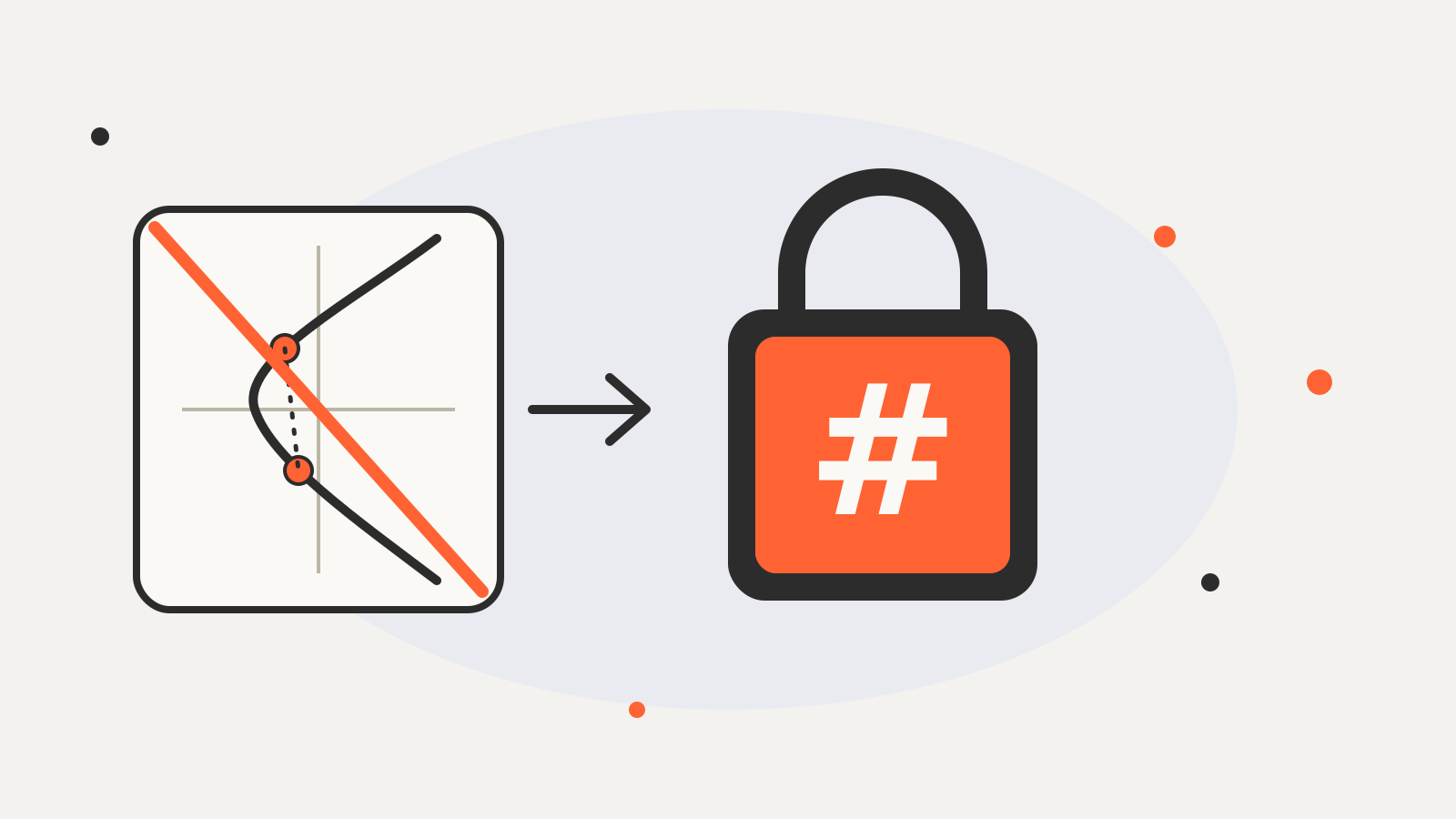
OpenAI and Cisco announced Shirudo on November 23, an open-source runtime that lets operators block a known exploit on a running Linux system before the patch arrives. A “shield” is an eBPF program that is signed, checked by the kernel’s verifier and loaded without a restart. In one controlled test, a Codex-generated shield stopped a Java4Shell attempt against a live Elasticsearch service. Shirudo uses a TPM to keep a verifiable record of loaded shields, and the code is BSD 2-Clause licensed. Background: what a zero-day vulnerability is. OpenAI, November 23.
2. AWS WAF can now find and screen AI endpoints
AWS said on November 23 that automated discovery and protection for AI endpoints is generally available. The new API Gateway API Portal recognizes LLM, Model Context Protocol and Agent2Agent endpoints behind API Gateway, Application Load Balancers and CloudFront across an AWS Organization, so an undocumented public MCP server shows up as a shadow API. A new AWS WAF AI Security rule group blocks malformed MCP and A2A messages and, with content inspection on, calls Bedrock Guardrails to check for prompt injection. It costs extra, and AI Security covers seven Regions. AWS, November 23.
3. Stripe powers a stablecoin card for Deel contractors
Stripe announced on November 24 that Deel is using Stripe Issuing for a new Deel Card that lets contractors spend stablecoin balances. The prepaid Visa debit card offers up to 1.5% cashback and works in 26 markets across Latin America, the Caribbean and Africa. Contractors can convert pay into DLUSD, Deel’s USD-denominated stablecoin, which Bridge issues and Privy’s wallet holds. Deel says contractors have kept more than $45 million in its wallet since June. DLUSD is not FDIC-insured, and fees may apply. Background: how stablecoins work. Stripe, November 24.
4. The CFTC finalizes event-contract reporting rules
The CFTC approved a final rule on November 23 that moves certain fully collateralized event contracts, which had relied on staff no-action letters since 2017, onto the reporting rules in Parts 15 through 18. It adds a new section 16.03, “Covered Event Contracts.” Some provisions apply 60 days after Federal Register publication, others on the later of that date or July 26, 2027, and the trader-identifying data requirement 12 months after publication. The agency also published a reporting guidebook. CFTC, November 23; final rule.
5. Ethereum’s engineers pick Keccak-256 for post-quantum work
The Ethereum Foundation said on November 24 that it recommends Keccak-256 as the hash function for Ethereum’s hash-based cryptography. It reasons that Ethereum already depends on Keccak for addresses and execution-layer state, so the choice avoids adding a third general-purpose hash alongside Keccak and SHA2-256. The post also names Keccak-duplex and SHAKE256 for related jobs, and sets a proving target of roughly 500,000 hashes per second in the zkVM. It follows the foundation’s November 23 plan. Ethereum Foundation, November 24.
6. Chrome 158 fixes a critical bug in Variations
Google updated the Chrome 158 stable channel on November 23 to 158.0.8127.88 and .89 on Windows and Mac, and .88 on Linux, with a staged rollout over days or weeks. The release lists one security fix: CVE-2026-134401, rated Critical, improper input validation in Variations, reported by Google on August 28. Google keeps bug details restricted until most users have updated. It is separate from the Chrome zero-day covered on November 10. Chrome Releases, November 23.
7. Cloudflare’s Email Sending reaches the Workers Free plan
Cloudflare said on November 24 that Email Sending is available on the Workers Free plan for sending to verified destination addresses in your own account. Developers can onboard sending domains, use the Workers binding, REST API or SMTP, and test for free. Sends to verified addresses are free on every plan and do not count toward monthly or daily limits. Sending to arbitrary recipients still needs the Workers Paid plan. Verified sends now also appear in Email Sending analytics and events. Cloudflare changelog, November 24.
8. AWS Sign-In sessions can last up to 90 days
AWS announced on November 23 a configurable Sign-in duration of up to 90 days for developers and AI agents using OAuth-based sign-in. Administrators set it per IAM user or role, and it applies to the AWS CLI’s login command, the AWS MCP Server and other OAuth-enabled apps. AWS positions it as a safer option than static access keys because the credentials are short-lived and renewable. Existing limits stay unchanged until an administrator sets a longer duration, and console sessions are not affected. AWS, November 23.
9. NASA locks in the design of SR-1 Freedom
NASA said on November 24 that teams have settled the mission architecture for SR-1 Freedom, a spacecraft planned for launch in late 2028 that combines nuclear and solar power to deliver the SkyFall capsule, with three helicopters, to Mars. The design now uses a shorter boom between reactor and main body, because improved shielding lets the reactor sit closer. NASA also awarded Johns Hopkins Applied Physics Laboratory a $39.3 million contract for the heat rejection system. The reactor runs for an initial period, then solar arrays take over for the cruise. NASA, November 24.