A central bank digital currency, or CBDC, is money issued directly by a central bank in digital form. That single fact separates it from almost everything else that looks like “digital money” in your life. The balance in your checking account, the funds sitting in a digital wallet app, even a dollar-pegged stablecoin, are all claims on a private company. A CBDC is a claim on the central bank itself.
Why that distinction matters
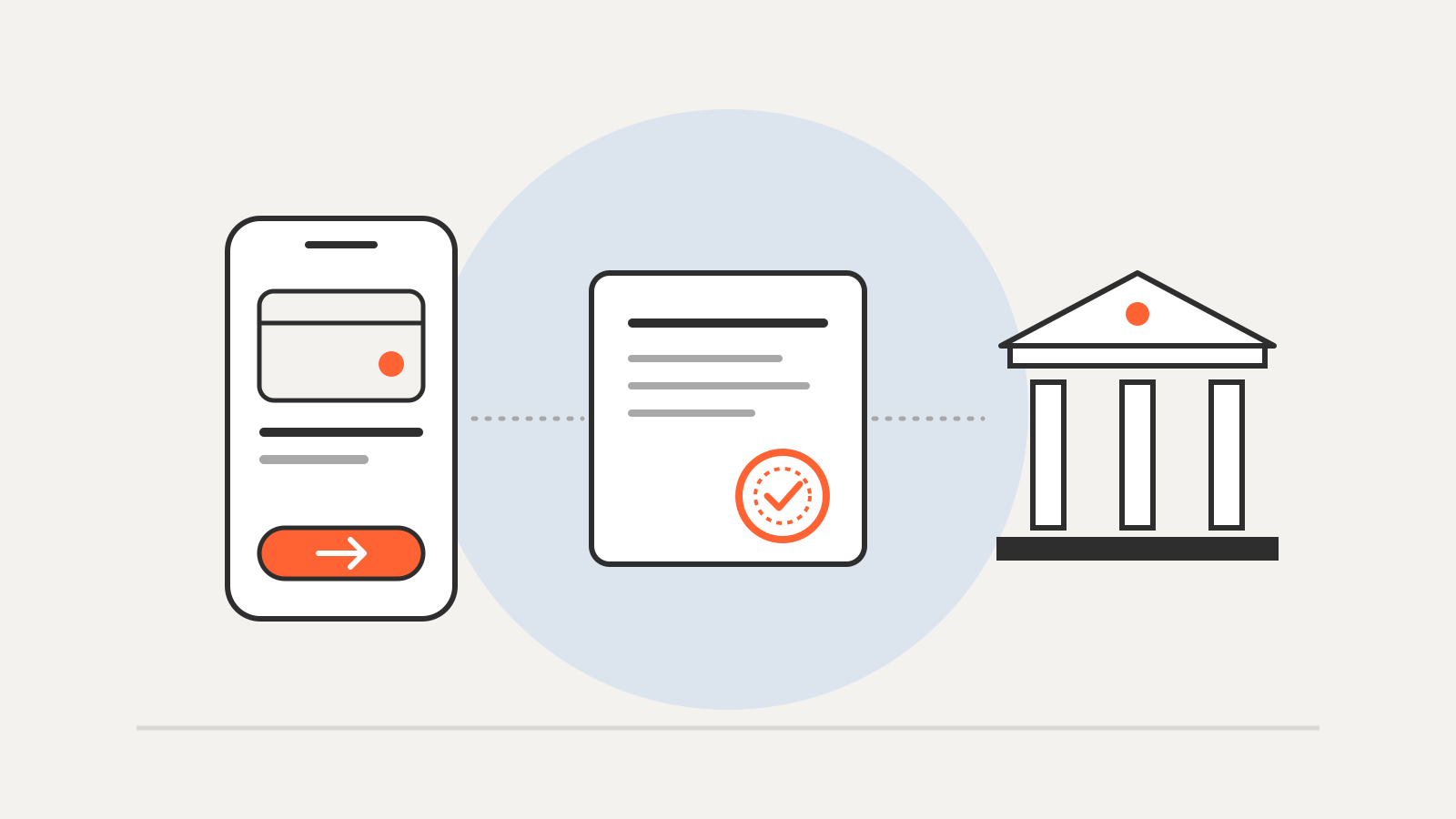
Money in a bank account is a liability of that bank, not of the government. The Bank for International Settlements frames the difference this way in its summary of CBDC design work: the only digital money the public can use today is issued by commercial banks or e-money issuers and carries the credit risk of its issuer, while a CBDC is a direct liability of the central bank and carries no credit risk.
A digital wallet such as a mobile payment app usually doesn’t change this picture at all — it’s a front end that moves money between accounts at banks or card networks, as explained in why a banking app isn’t always a bank. The wallet itself typically isn’t the thing holding your claim; the bank or e-money issuer behind it is.
How a CBDC differs from a stablecoin
A stablecoin is also designed to hold a steady value, usually pegged to a currency like the dollar, but it’s issued by a private company or protocol, not a government. Its ability to hold that peg depends on reserves, redemption terms and market liquidity — mechanics covered in Stablecoins Explained. A CBDC skips that whole layer of private-sector engineering: its value is the currency itself, the same way a paper banknote is simply currency rather than a claim that needs backing. The two can look similar on a phone screen — a balance, a QR code, instant settlement — but one is sovereign currency in digital form, and the other is a private product trying to track that currency’s value.
One-tier, two-tier and hybrid designs
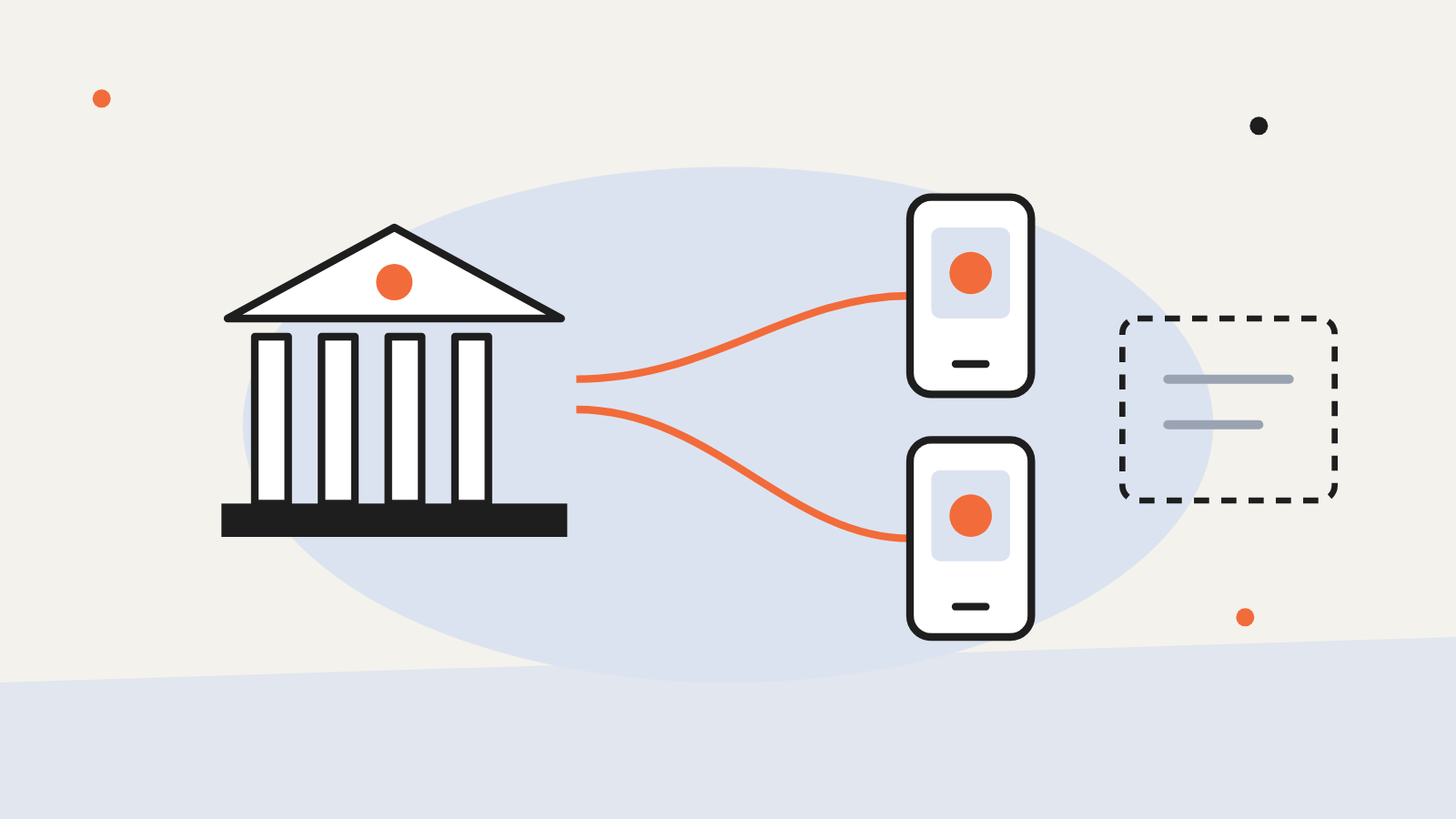
When a central bank designs a retail CBDC — one ordinary people and businesses could hold directly — it has to decide who actually deals with the public. The BIS summary describes three broad approaches. In a one-tier model, the central bank itself handles all payments, onboards clients, runs know-your-customer checks and provides day-to-day service. In a pure two-tier model, banks and other private firms handle payments, onboarding and customer service, while the central bank only handles the wholesale balances that add up from all those retail transactions. A hybrid model sits in between: intermediaries run the payments and the customer relationship, but holders keep a direct claim on the central bank, which periodically updates its own records of retail transactions so it can step in if a payment provider fails.
The BIS summary says the one-tier model is widely considered inefficient. It would pull the central bank away from its main job of monetary and financial stability, could hold back private-sector innovation, and could turn the central bank into a financial intermediary and the manager of everyone’s payment data. An intermediated design, by contrast, reduces the need for central data collection, because records are kept in many places rather than one.
There’s a financial-stability reason too. The BIS summary notes that retail depositors could shift money from bank deposits into a CBDC, and that in times of stress they could run to it as a risk-free asset. The mitigations it lists are caps on how much CBDC anyone can hold, remuneration policies that leave commercial bank money paying a premium, and robust data governance.
Does the central bank see everything you spend?
This depends on how a given CBDC is built, and it is one of the more contested design questions. The BIS summary points out that using a retail CBDC leaves a digital footprint, which raises data governance and privacy questions. The European Central Bank’s privacy page for the digital euro describes how it intends to handle them. The details of offline digital euro payments would be known only to the payer and the recipient. For online payments, the ECB says the Eurosystem would not be able to directly link a user to their payments, and the data it holds would be pseudonymized. Banks would see only the personal data they need to comply with EU anti-money laundering law and would need explicit consent to use it commercially. All of that is written in the conditional: it describes a planned design, not a system people use today.
Is anyone actually using one, or is this all still theoretical?
A little of both. The Bahamas runs one: SandDollar, launched nationwide in October 2020, is the digital version of the Bahamian dollar, issued by the Central Bank of The Bahamas through authorized financial institutions, and residents use it through a phone app or a payment card linked to a digital wallet after the usual know-your-customer checks. The euro area is still preparing. The ECB says its Governing Council decided in October 2025 to move the digital euro project to its next phase, that it is preparing a pilot in 2027, and that it aims to be ready for a potential first issuance during 2029, assuming the necessary EU legislation is adopted in the course of 2026.