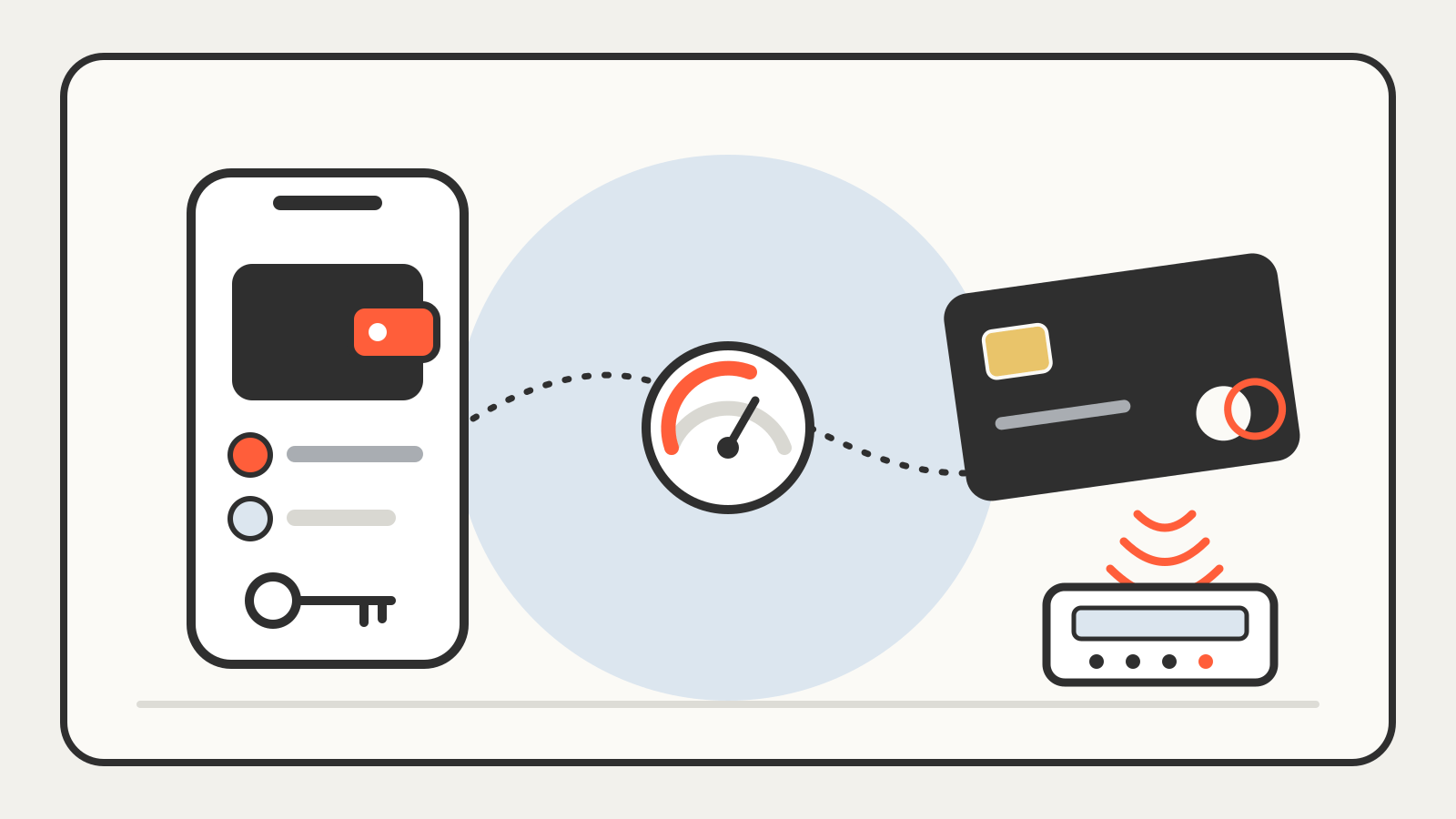
A self-custody crypto card is a payment card that spends tokens straight from a wallet you control. You do not deposit coins with an exchange first. The tokens stay in your wallet until a purchase is approved, and only then does the card program take the amount it needs.
Quick answer You give the card program permission to spend a set amount of a supported token from your wallet. When you tap or pay online, the program moves that amount on-chain, converts it and pays the merchant in ordinary currency over the card network. You keep your keys, but you still go through identity checks, and the permission you sign is what limits the card.
Custodial card vs. self-custody card
Most crypto cards are custodial. You send crypto to the card provider or an exchange, and the provider holds it in an account until you spend. If the provider freezes withdrawals or fails, your balance sits with it.
A self-custody card changes where the money waits. MetaMask says its card keeps funds in the user’s wallet “until the moment they pay,” and contrasts this with cards that require users to pre-load funds onto an exchange account (MetaMask, February 26, 2026). Solflare describes its card the same way: no prepaid balance and no custodial account, with USDC converted to fiat at the moment of purchase (Solflare, December 3, 2025).
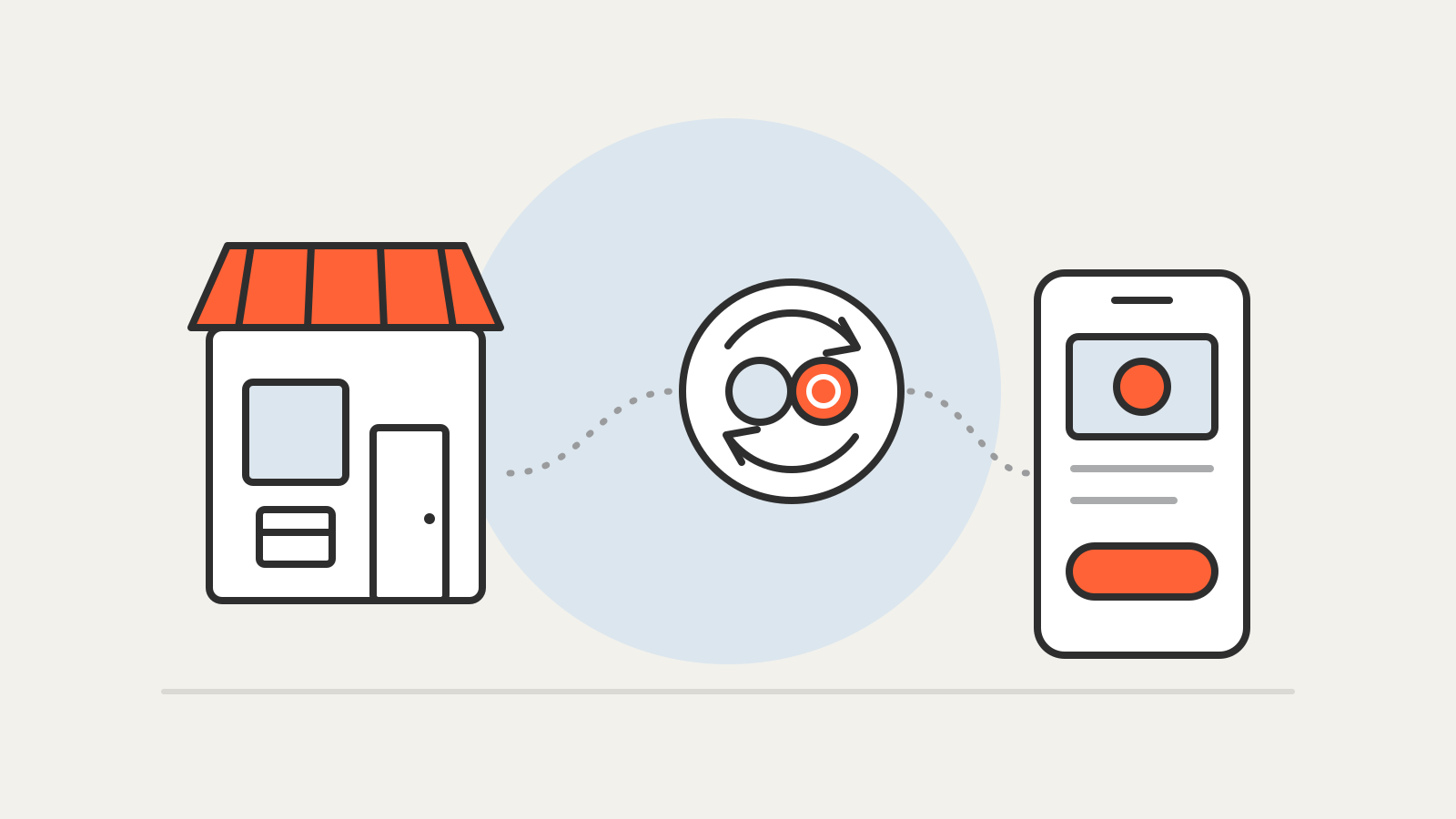
The merchant does not see any of this. It receives a normal card payment in its own currency.
If you are new to the idea of custody, start with what a crypto wallet actually stores and what a seed phrase is.
The permission that makes it work
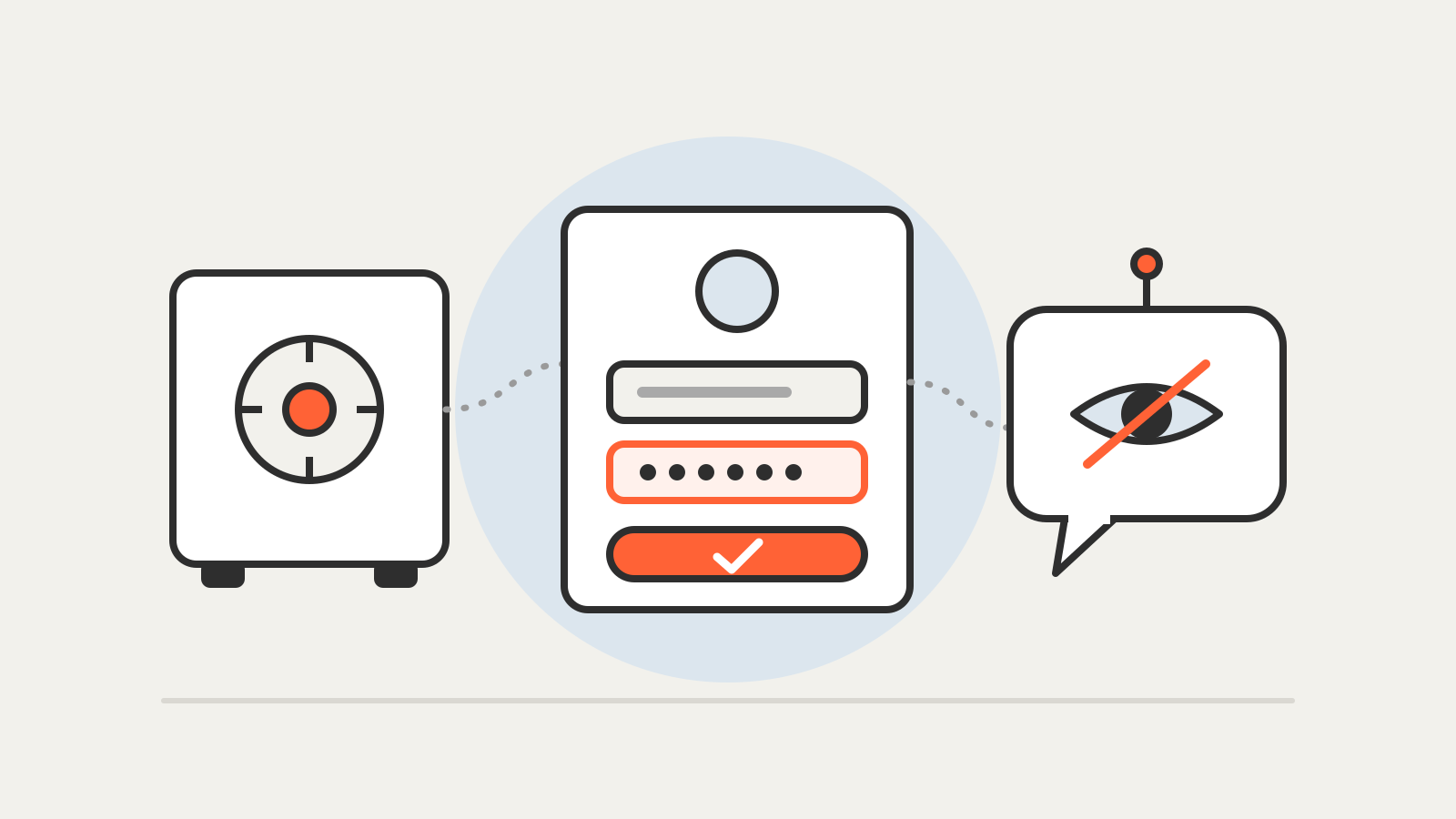
A wallet you control will not let anyone move your tokens without your signature. So the card program asks for a standing permission first.
On MetaMask Card this is a spending limit, also called a spending cap. MetaMask’s help center explains that you choose a token amount the card may spend from your account. The funds stay in your account until you spend them, and you can revoke the cap at any time (MetaMask Help: funding).
There are two styles:
- Full access. The card can spend as much of that token as the account holds, including tokens you add later. MetaMask notes that the signature screen fills in “an impossibly high quantity” of the token in this case (MetaMask Help: managing).
- Custom limit. You approve a fixed amount, such as 250 units of a stablecoin. When it is used up, you sign a new approval to keep spending.
Each approval is an on-chain transaction, so it costs a network fee. MetaMask says the full-access option means paying that fee once per token, while a custom limit means paying it each time you raise the limit.
Technically this is the same kind of token approval that decentralized apps request. MetaMask explains that an approval lets a contract call the ERC-20 transferFrom function to move tokens up to the approved amount (MetaMask Help: token approvals). For background on the contracts involved, see what a smart contract is.
What happens when you tap
The sequence below follows how MetaMask, Consensys and Mastercard describe their program.
- Authorization request. The terminal or checkout sends a normal card authorization over the Mastercard network.
- Wallet check. The card program checks that your approved token balance covers the amount.
- On-chain transfer. A smart contract moves the tokens out of your wallet under the permission you signed. CompoSecure, which makes the metal version of the card, says this verification and authorization takes under five seconds; that is a company figure, not an independent measurement (CompoSecure, April 28, 2025).
- Conversion. The tokens are converted to fiat. Consensys described the pilot as converting crypto “instantly” to fiat for the purchase (Consensys, August 14, 2024).
- Ordinary card settlement. The merchant is paid through the card network like any other card payment. Our guide to what happens after you tap your card covers that part.
Because the money leaves your wallet during step 3, there is no balance sitting at the card company between purchases.
Who is involved
A self-custody card is not a wallet company acting alone. The US MetaMask Card involves Consensys for the wallet, Baanx (now Monavate) for the card program, Mastercard for the network and Cross River Bank as issuer. MetaMask adds a footnote that activity involving self-custodial wallets “is not facilitated by or through Cross River Bank” (MetaMask, February 26, 2026).
Mastercard says it spent a year building standards for these programs with wallets, issuers and program managers. Those standards include know-your-customer and anti-money-laundering checks, transaction history and the ability to reverse transactions (Mastercard, August 14, 2024).
In practice, that means:
- You complete identity verification before you get the card. MetaMask says enrollment requires identity and compliance checks.
- The card is tied to supported networks and tokens. MetaMask’s help center lists networks including Linea, Base, Solana and Monad, with a token list that differs for US users (MetaMask Help: managing).
- Availability is regional. MetaMask lists the US, UK, Canada, Switzerland, the European Economic Area and several Latin American countries. Solflare launched in the EEA and the UK.
Fees and limits to read first
Fees depend on the token and where you spend. MetaMask’s published table, as checked on October 26, 2026, includes:
| Item | MetaMask Card free tier |
|---|---|
| Stablecoin in the cardholder’s own currency | No token fee |
| Other cryptocurrencies, such as wETH | 0.875% |
| Purchase from a merchant outside your country | 1% |
| ATM withdrawal | 2%, plus any ATM operator fee |
| Card transaction limit | $10,000 per transaction, $15,000 per day |
Source: MetaMask Help: limits and fees. The metal tier costs $199 a year and changes several of these numbers. Network gas for approvals is separate and variable.
Spending a volatile token also means the conversion rate at the moment of purchase decides how many tokens leave your wallet. Stablecoins avoid most of that swing; see how stablecoins hold a dollar value.
Risks that self-custody does not remove
The approval is the weak point. A full-access approval lets the card contract move any amount of that token in the account, within the program’s own limits. If you prefer a ceiling, use a custom limit and keep only spending money in the approved account.
Your keys are still yours to lose. No exchange can reset a lost seed phrase. If someone steals your recovery words, a card freeze will not protect the rest of the wallet.
Programs change. MetaMask noted on its own page that US sign-ups were temporarily paused on June 3, 2026 (MetaMask: MetaMask Card is here). Check current availability before you plan around a card.
Disputes run through the card side. Mastercard says its program includes its dispute and chargeback processes. How a refund returns to you, and in which token, depends on the program’s own terms.
How to set one up safely
- Download the wallet and card app only from the provider’s official site or app store listing.
- Complete identity checks inside the official app, never through a link someone sends you.
- Use a separate wallet account for card spending.
- Approve a custom limit you are comfortable losing, rather than full access, unless you need it.
- Review and revoke approvals you no longer use.
- Keep your seed phrase offline and never type it into a card or support form.