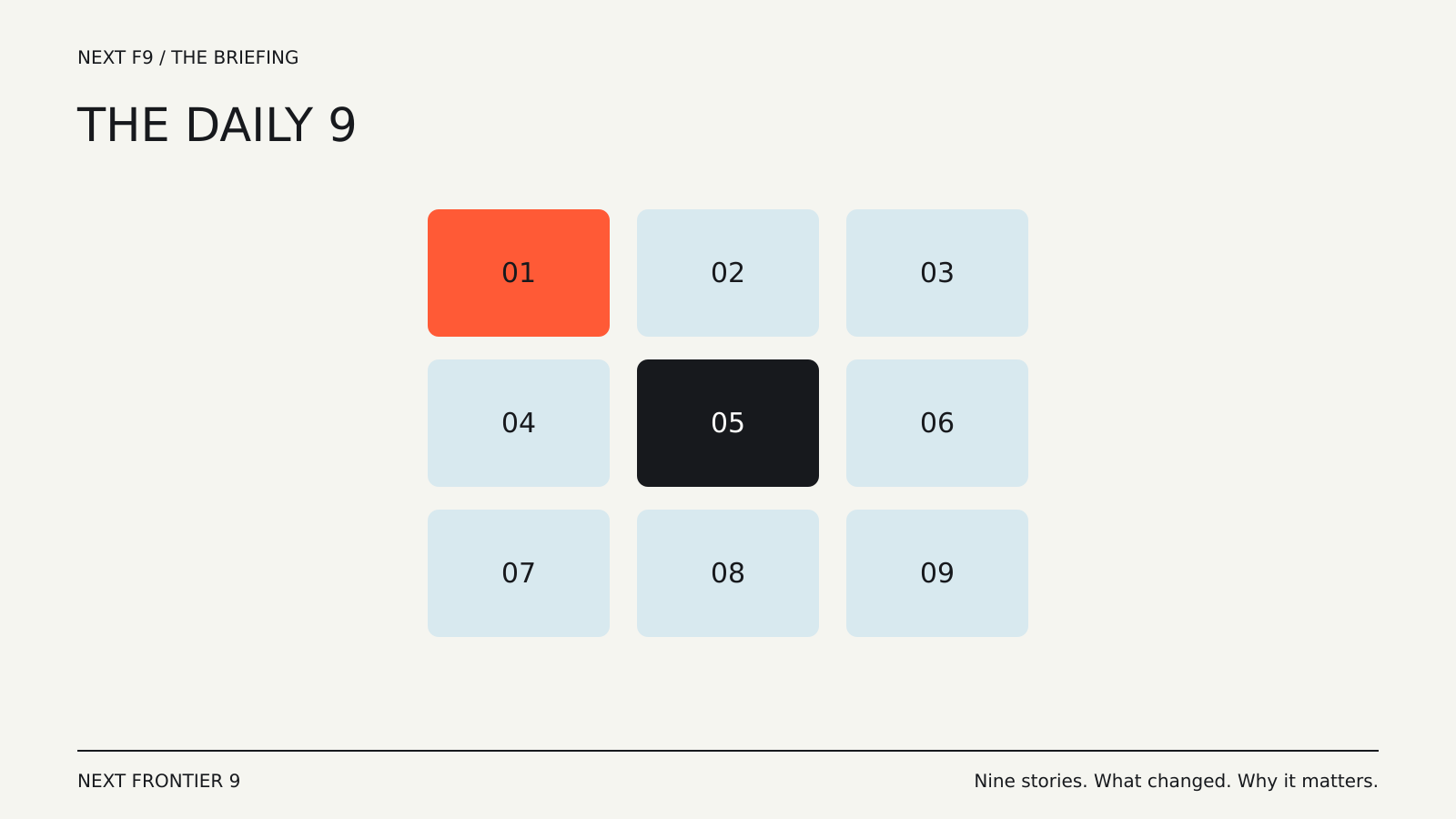
Our first edition selects nine developments announced September 22–24, 2026, checked for this September 26 launch briefing. Together they show where AI products, payment infrastructure and computing systems are changing. The dates below refer to the original events; this is a curated launch selection, not a claim that all nine happened today.
01 / Two more options in the GPT-6 family
OpenAI introduced Sol and Luna on September 22 with lower published API token prices. Sol is positioned for general professional work, while Luna offers a cheaper option for higher-volume tasks. The announcement also describes caching improvements. The practical comparison is the cost of a completed task, including retries and tools, rather than the price of one token alone.
Read the story and primary source
02 / More control over synthetic speech
Google’s September 23 speech-model release adds voice design and line-by-line direction. Gemini 3.8 Flash TTS emphasizes creative control; Flash-Lite focuses on scale. Voice replication is a separate feature with consent checks and regional restrictions. Producers still need to test pronunciation and consistency across full scripts, and distinguish currently offered features from the voice-remixing tools described as coming later.
Read the story and primary source
03 / Wise adds an account and card in Thailand
Wise expanded its Thai offering on September 22 with multi-currency balances, card spending and supported QR payments. The account and card build on transfer services launched earlier in the year. The local payment integrations are a substantial part of the proposition. Eligibility, conversion charges and card-related limits still need to be checked against the customer’s circumstances and the current product terms.
Read the story and primary source
04 / Stablecoins move further into card infrastructure
Visa and Reap announced plans to expand stablecoin-linked issuing programs across more than 100 markets. The September 23 agreement concerns infrastructure for businesses and partners, rather than one immediately available consumer card. Funding and settlement can use stablecoins behind a familiar card-payment experience. Specific launches, fees and supported assets will establish what the partnership means for individual customers.
Read the story and primary source
05 / Tezos puts post-quantum components into one test network
Quantumnet launched on September 24 to evaluate changes across accounts, consensus and data availability. It is an experimental environment, not a production upgrade to Tezos mainnet. The work illustrates why preparing a blockchain for different cryptography involves more than changing a wallet signature. Security analysis, hardware requirements and performance remain part of the evaluation ahead.
Read the story and primary source
06 / A capped bitcoin-collateral experiment reaches mainnet
Zest’s September 23 demo connects bitcoin held in a Bitcoin vault with USDC borrowing on Ethereum. Positions are capped at 0.001 BTC per wallet. The project describes predetermined spending paths and partial liquidation, but those design claims are not an independent security assessment. Because this is mainnet, “demo” means a limited real-asset system rather than a risk-free simulation.
Read the story and primary source
07 / Chrome gives embeds a better way to fit
Chrome 154 began rolling out on September 22 with content-sized iframes and additional CSS controls. Responsive sizing requires cooperation from the embedding page and the embedded document. New scroll-marker modes also specify focus and accessibility behavior. Developers still need fallbacks for unsupported browsers and tests that confirm the controls work with keyboard and assistive technology.
Read the story and primary source
08 / GitHub starts the clock on a Copilot policy change
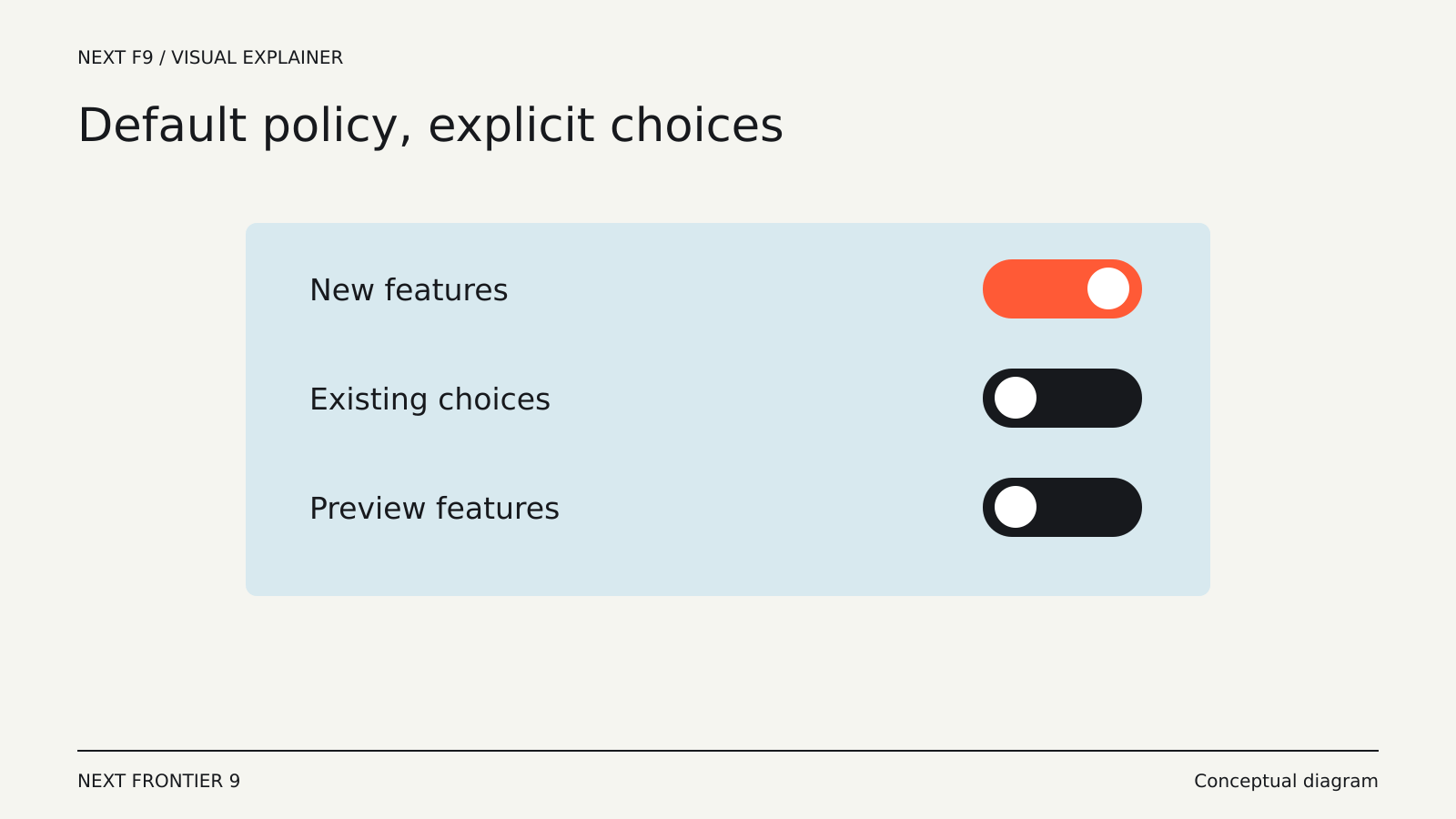
GitHub introduced a configurable default for eligible Copilot features on September 24, with activation set for October 22. Explicitly enabled or disabled features keep those decisions; eligible unconfigured features follow the selected default. Preview access remains opt-in. The preparation task for administrators is to distinguish an intentional policy from settings that have simply never been configured.
Read the story and primary source
09 / Thirty logical qubits, with a precise claim to examine
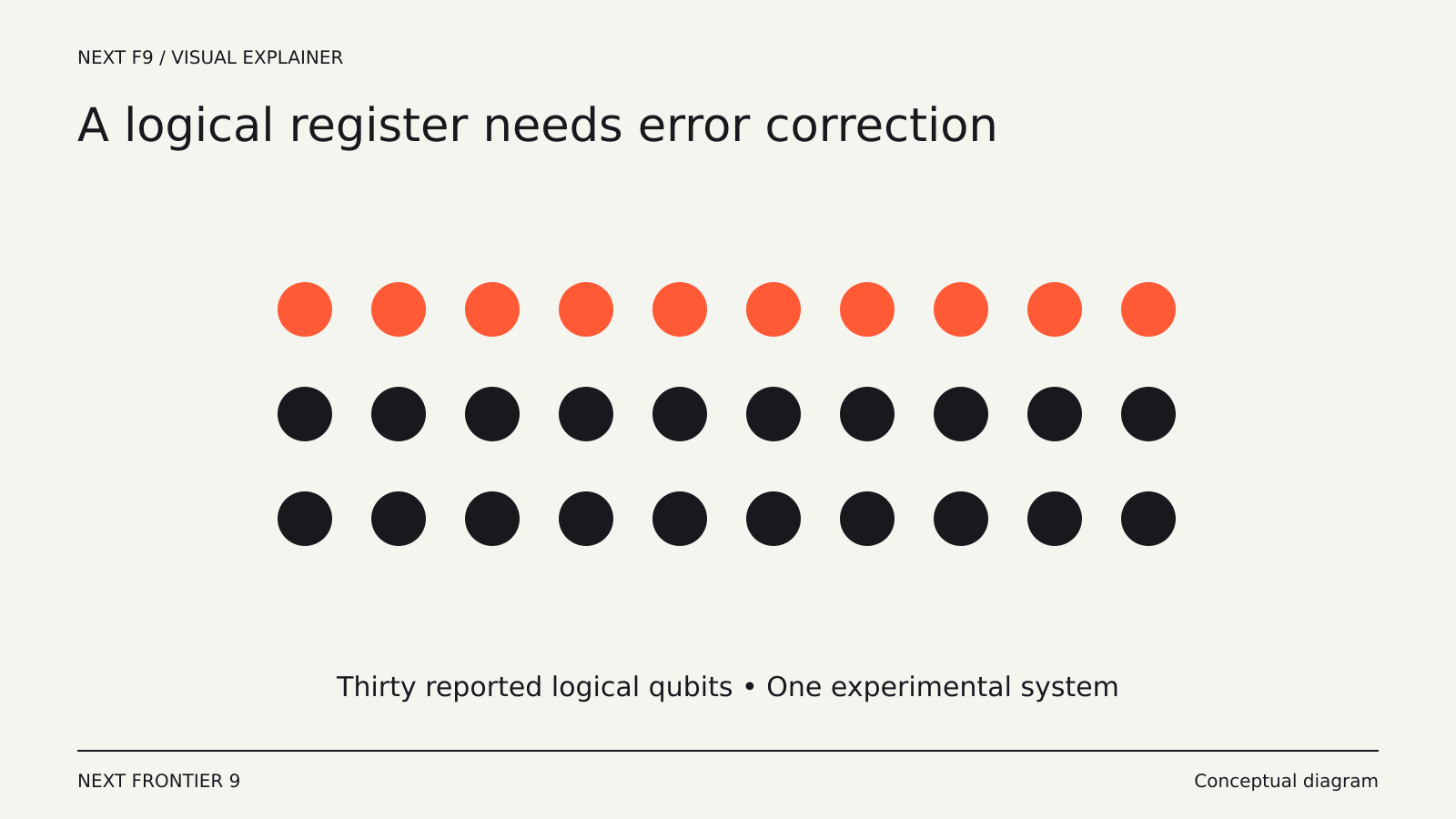
Infleqtion says it entangled 30 logical qubits using 80 physical qubits in a Sqale experiment announced September 24. The result describes a particular circuit, rather than general commercial quantum advantage. Its goals of 100 logical qubits in 2028 and 1,000 in 2030 remain future targets. Reliability and the depth of useful computations are the next questions behind the count.