
Crypto
Blockchains, stablecoins and the tools used to hold and move digital assets.
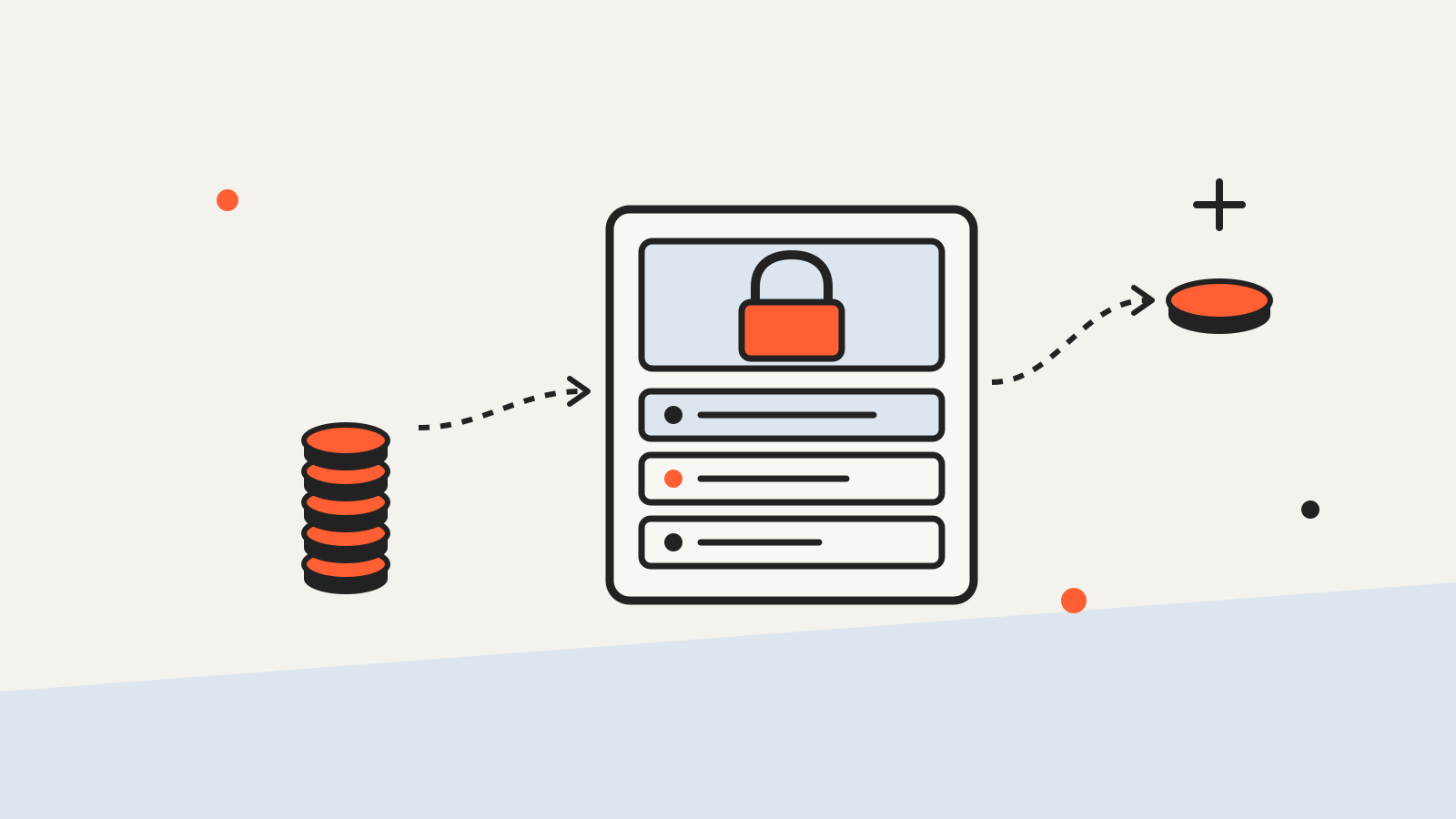
What Is Staking in Crypto? Rewards, Risks and Ways to Stake
Staking locks coins to secure a proof-of-stake blockchain. How rewards, slashing, pools and unstaking work.
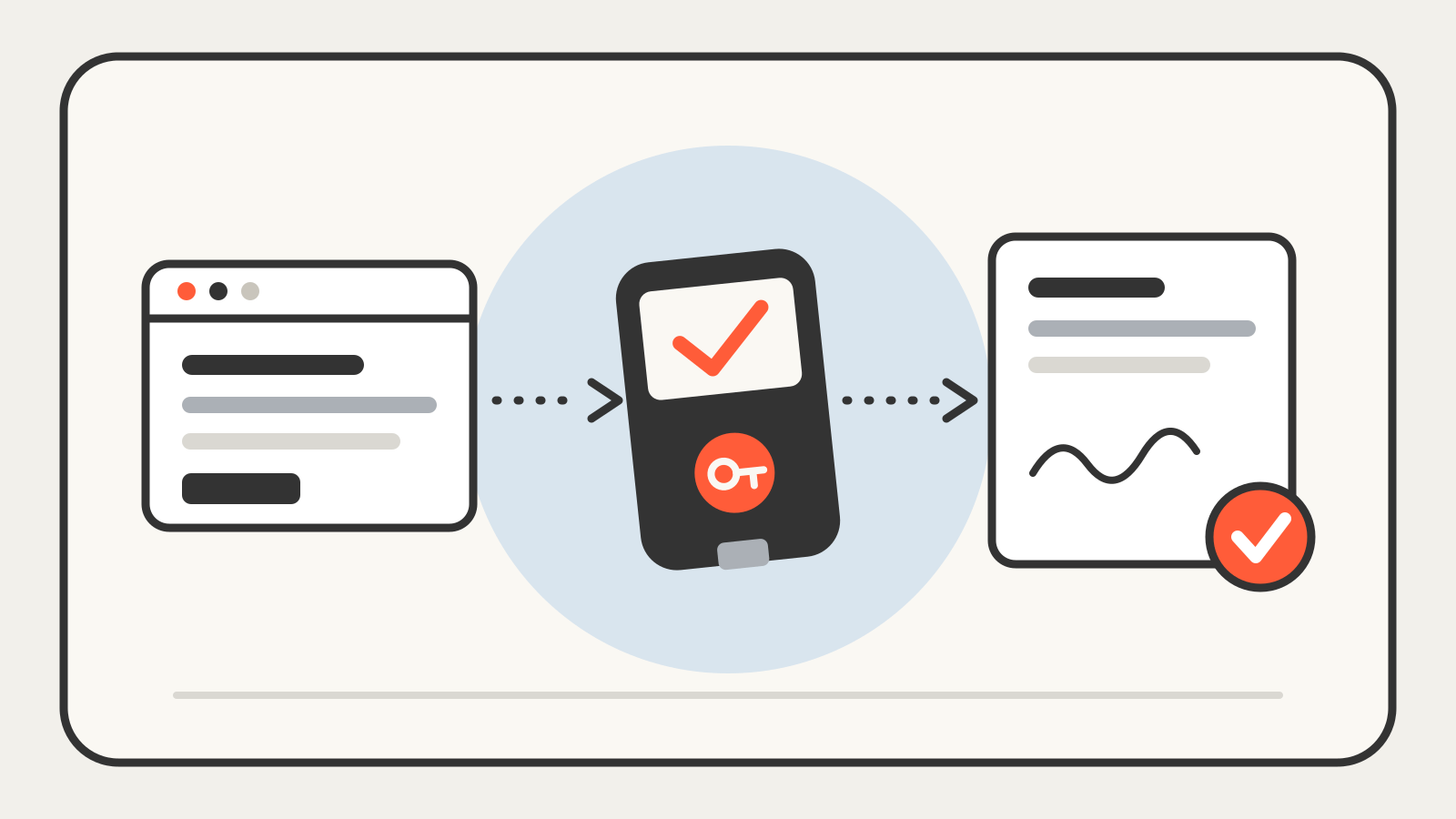
What Is a Hardware Wallet? How It Protects Your Crypto Keys
A hardware wallet keeps your crypto keys on a separate device and signs transactions there.
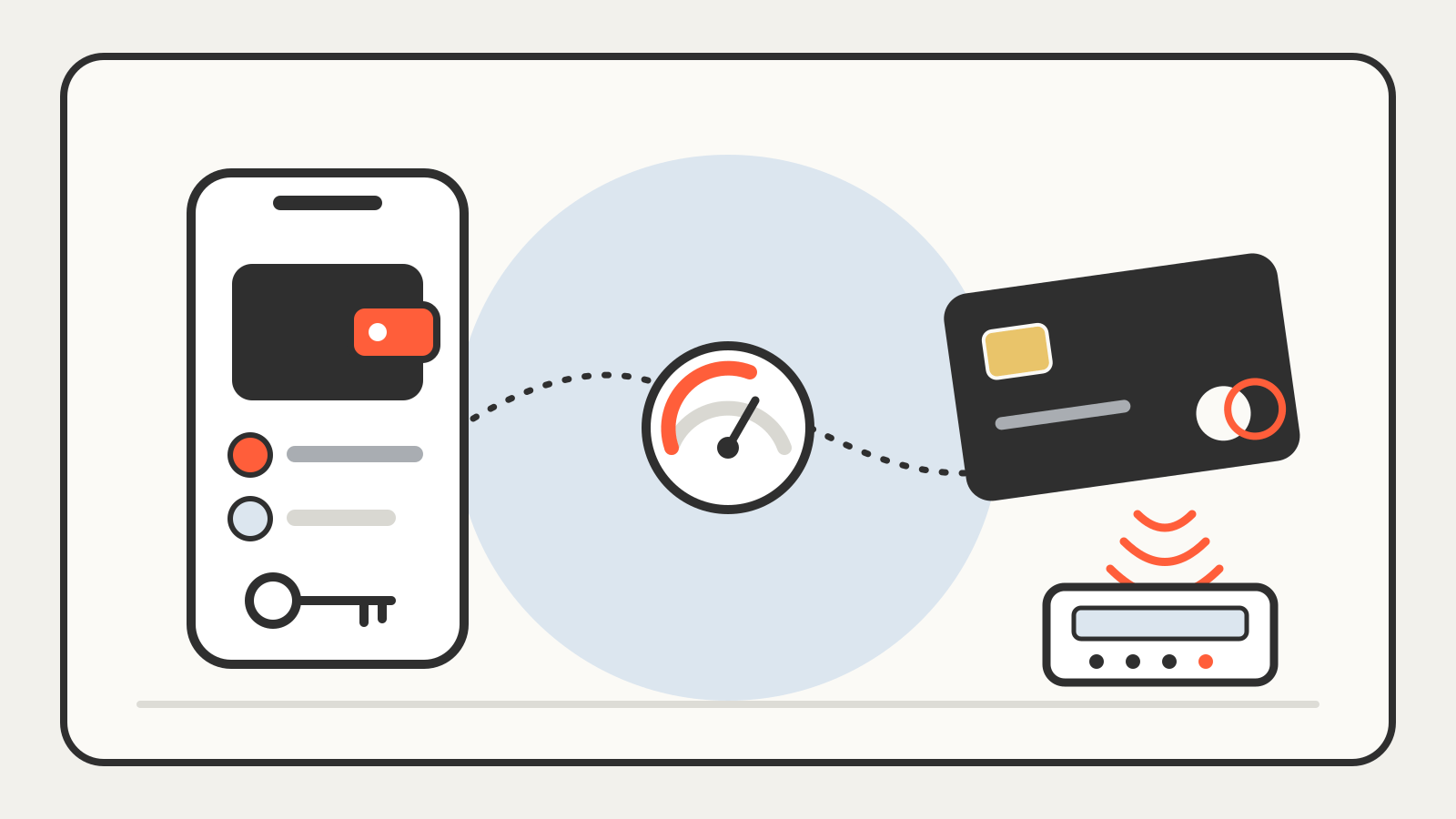
Self-Custody Crypto Cards: How Spending From Your Wallet Works
A self-custody crypto card spends tokens from your own wallet. See how approvals, conversion, fees and KYC work.
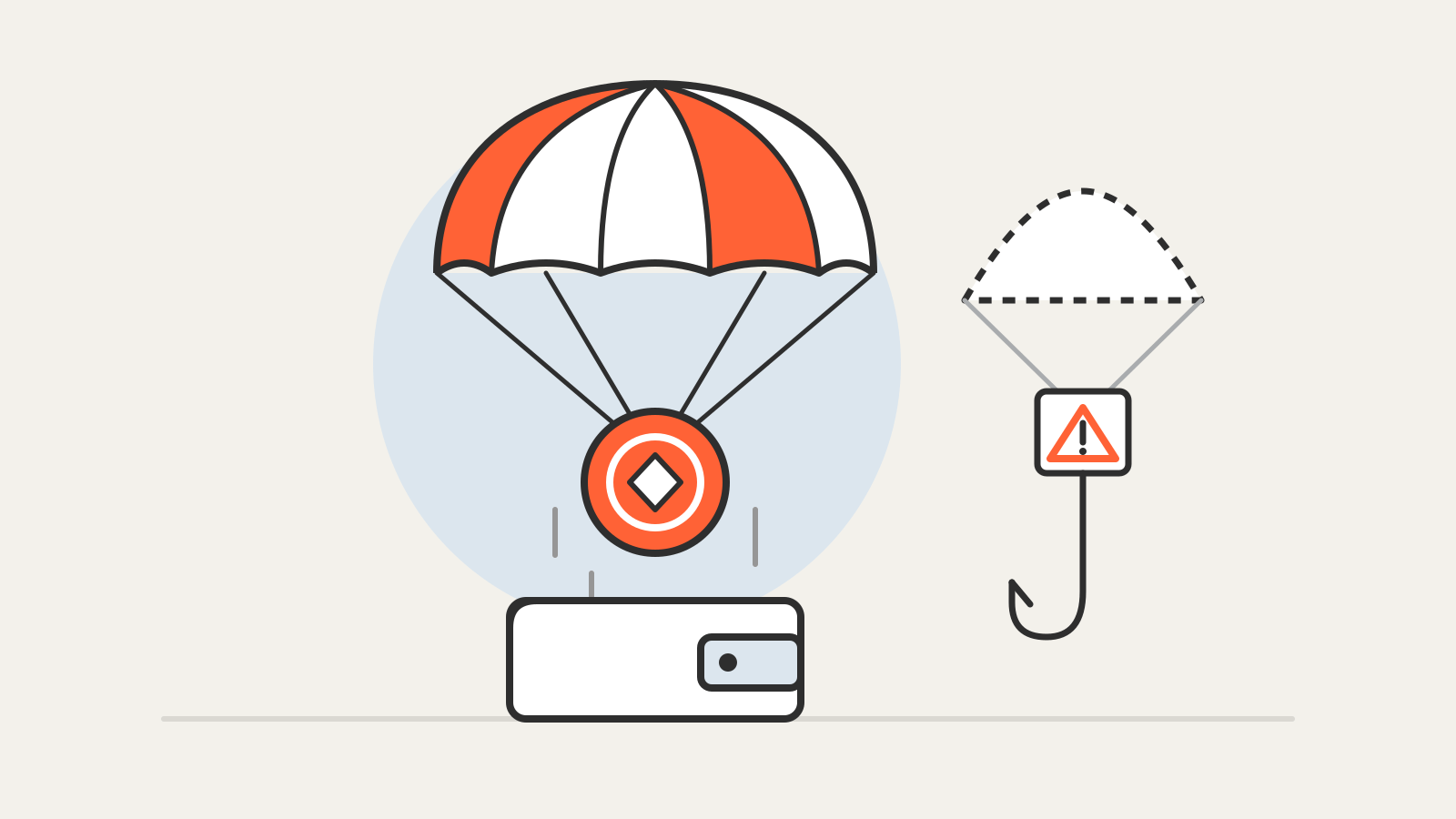
What Is a Crypto Airdrop? How Free Token Drops Work
How crypto airdrops send free tokens to wallets, how snapshots and claims work, and how fake airdrops drain wallets.
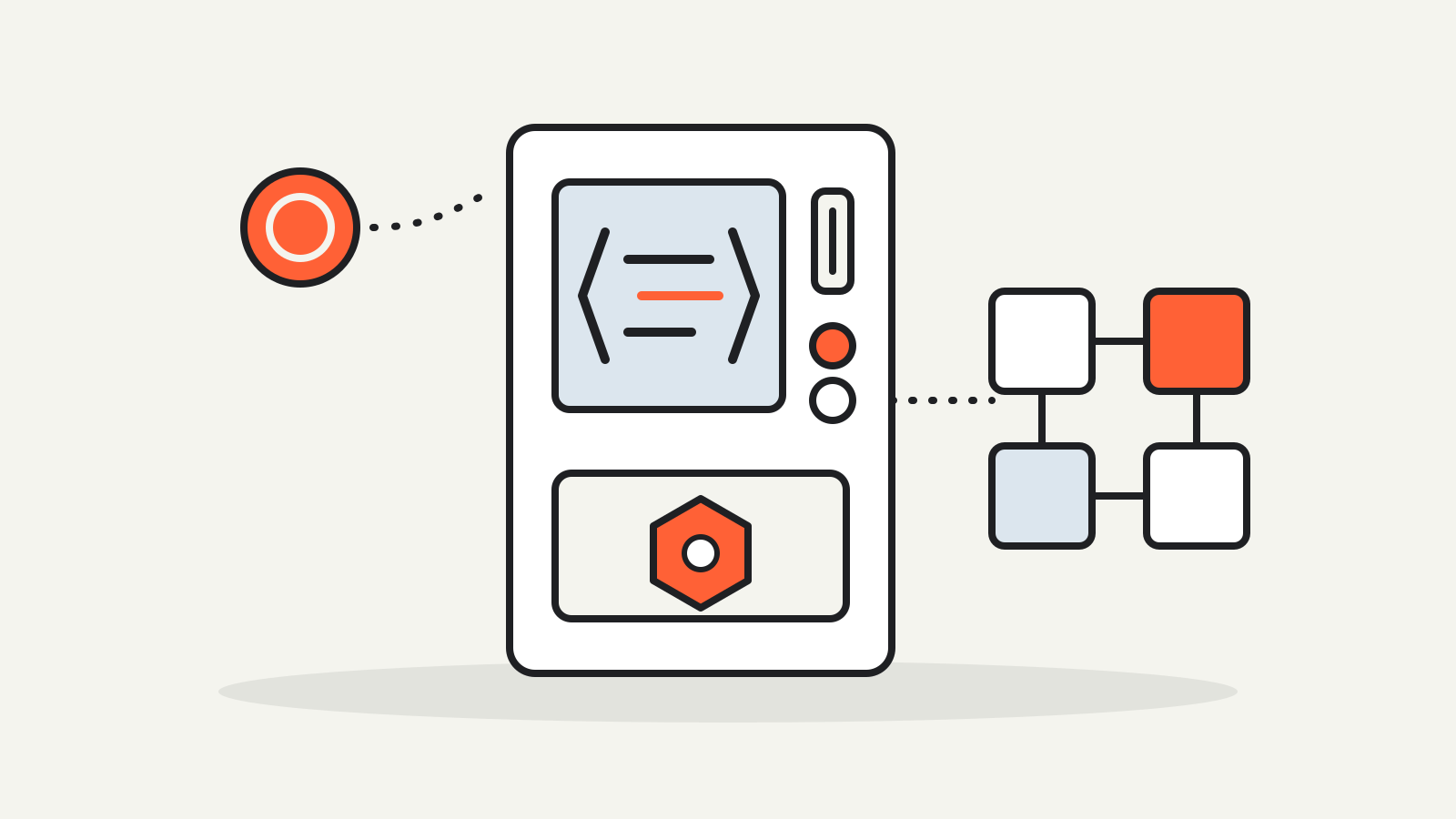
What Is a Smart Contract? How Blockchain Programs Work
A smart contract is a blockchain program that runs exactly as written. How it works and where it fails.
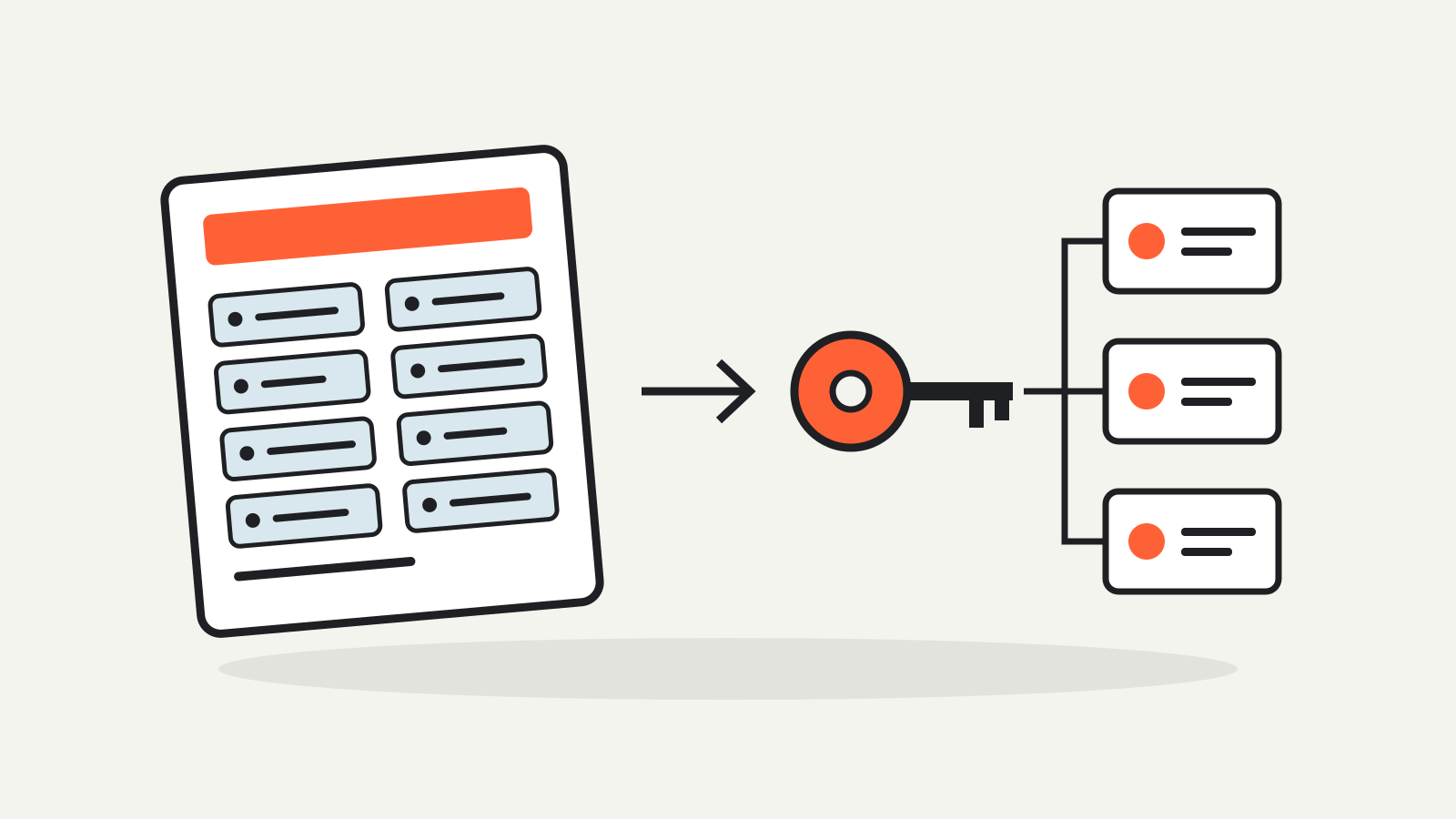
What Is a Seed Phrase? How Recovery Words Control a Wallet
A seed phrase is the 12 to 24 words that can rebuild a self-custody wallet. How it works and how to keep it safe.
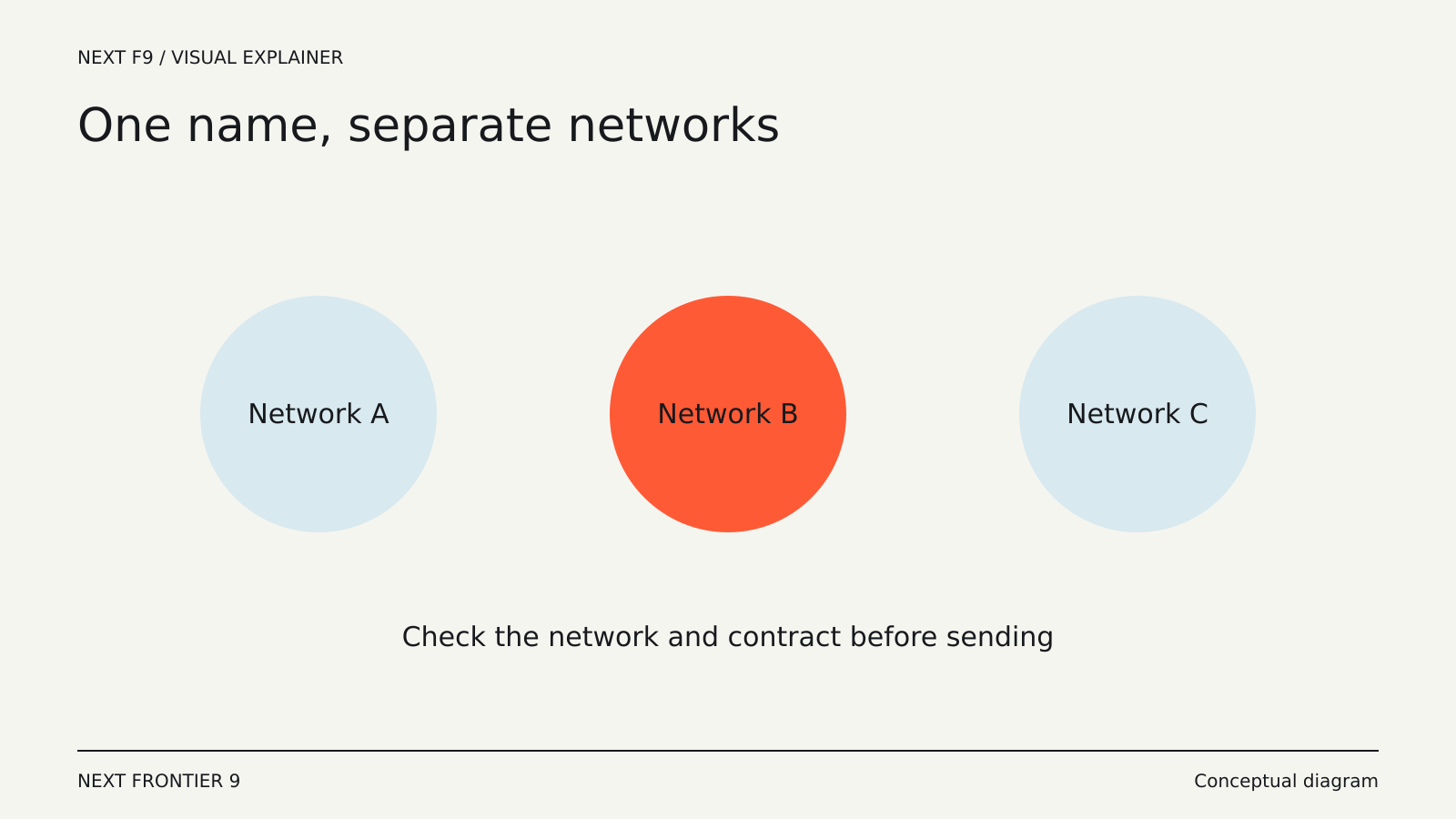
Why the Same Token Can Exist on Several Networks
A token's ticker is not enough: the network and contract determine which asset you are sending.
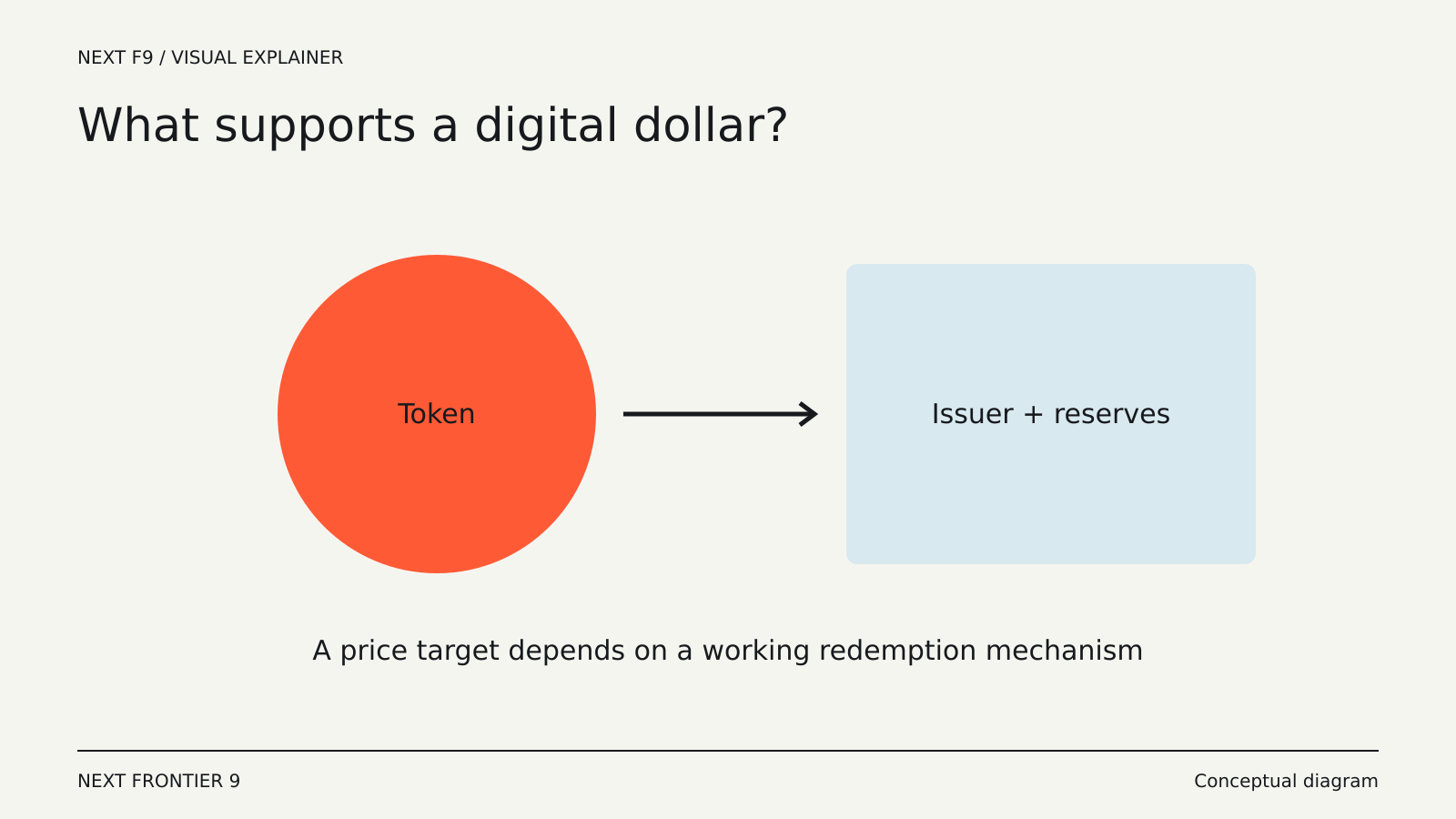
Stablecoins Explained: What Keeps a Digital Dollar Worth a Dollar?
Reserves, redemption and market liquidity help explain whether a stablecoin can hold its target price.
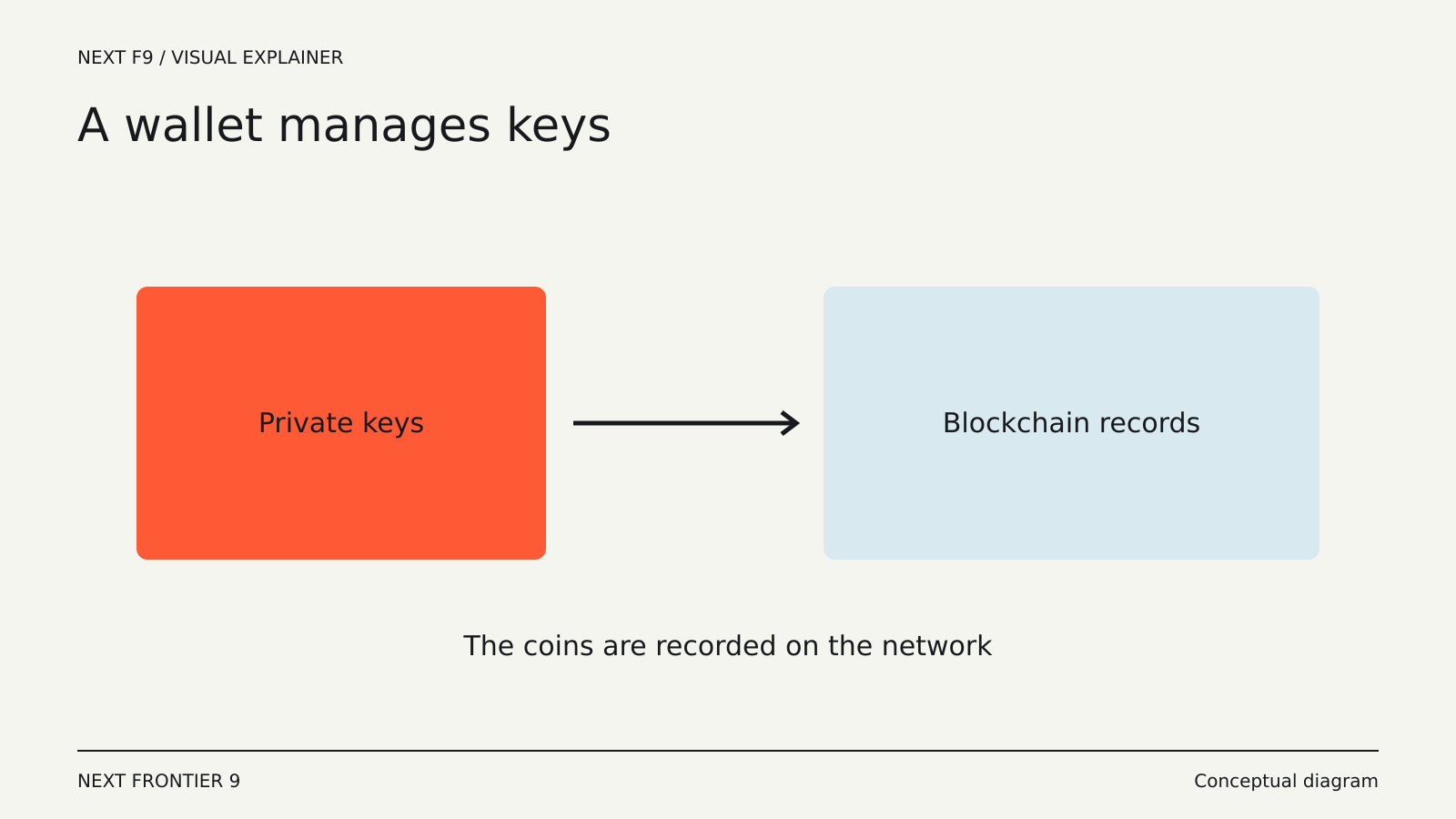
What a Crypto Wallet Actually Stores
A wallet manages keys and permissions; the assets themselves are recorded on a network.
Crypto explainers on Next F9 cover the mechanics behind digital assets: what a crypto wallet actually stores when the assets are recorded on a network, how reserves, redemption and liquidity keep a stablecoin worth a dollar, and why the same token can exist on several networks. For dated developments, read Crypto news or visit the Crypto desk.