Daily 9 for 2026-10-10 covers agent payments, cash-flow underwriting, browser security and connected devices. Six announcements are from October 8–9; three worthwhile, previously uncovered developments extend the selection to October 6–7. Each item states its announcement date and distinguishes available features from demonstrations, tests and planned rollouts.
01 / Zip plans a shared AI environment for product teams
Zip announced on October 8 that it selected Google Cloud to build an AI-Native Product Factory using Gemini Enterprise. The planned environment connects customer research, design and engineering with risk, legal and compliance teams, letting them work in parallel with shared institutional knowledge. Zip describes governance, traceability and human oversight as part of the design. Its customer assistant, Zia, is also set to use that foundation. Faster launches and lower incremental development costs are intended benefits, without measured results in the announcement.
Zip and Google Cloud’s announcement · AI agents and chatbots
02 / Rezolve demonstrates an agent placing a coffee order
Rezolve’s October 9 release describes a published demonstration in which Meta’s Muse interacts with a coffee shop’s Rezolve Pay agent to order online for collection in-store. The accompanying receipt identifies the assistant that placed the order, giving merchants a way to attribute an agent-generated purchase. Rezolve says the architecture can support other assistants through compatible merchant integrations. Actual access depends on the agent, merchant integration, payment method and jurisdiction; the demonstration does not establish universal checkout availability.
Rezolve’s demonstration announcement · How card payments work
03 / Plaid adds reusable cash-flow permission and new credit scores
Plaid introduced Instant Link and LendScore 2 on October 6. Borrowers can consent to future access to cash-flow insights through Plaid’s consumer reporting agency, avoiding another bank connection on subsequent applications. Plaid says lenders can retrieve permissioned insights in under two seconds using basic borrower details. The new score family includes specialized lending models and the transformer-based LendScore Arc. Performance figures come from Plaid’s testing, and borrowers retain applicable FCRA rights. These tools provide underwriting inputs, with approval decisions still belonging to lenders.
Plaid’s product announcement · How buy now, pay later works
04 / HSBC and Ant test agent micropayments with tokenized deposits
Ant Digital Technologies’ October 9 company-issued release reports a technical verification with HSBC’s Tokenised Deposit Service. An agent discovered and used a digital service, then managed a micropayment and settlement through Ant’s Anvita Flow infrastructure and Jovay Testnet environment. HSBC supplied settlement capabilities and real-time risk checks. The companies explicitly describe the exercise as technology exploration, with no commercial launch or live customer proposition. Its payment asset was a tokenized bank deposit, a different structure from the stablecoin-funded checkout described below.
Ant’s company-issued test report · A banking app is not always a bank
05 / Oobit separates an agent’s purchase from access to funds
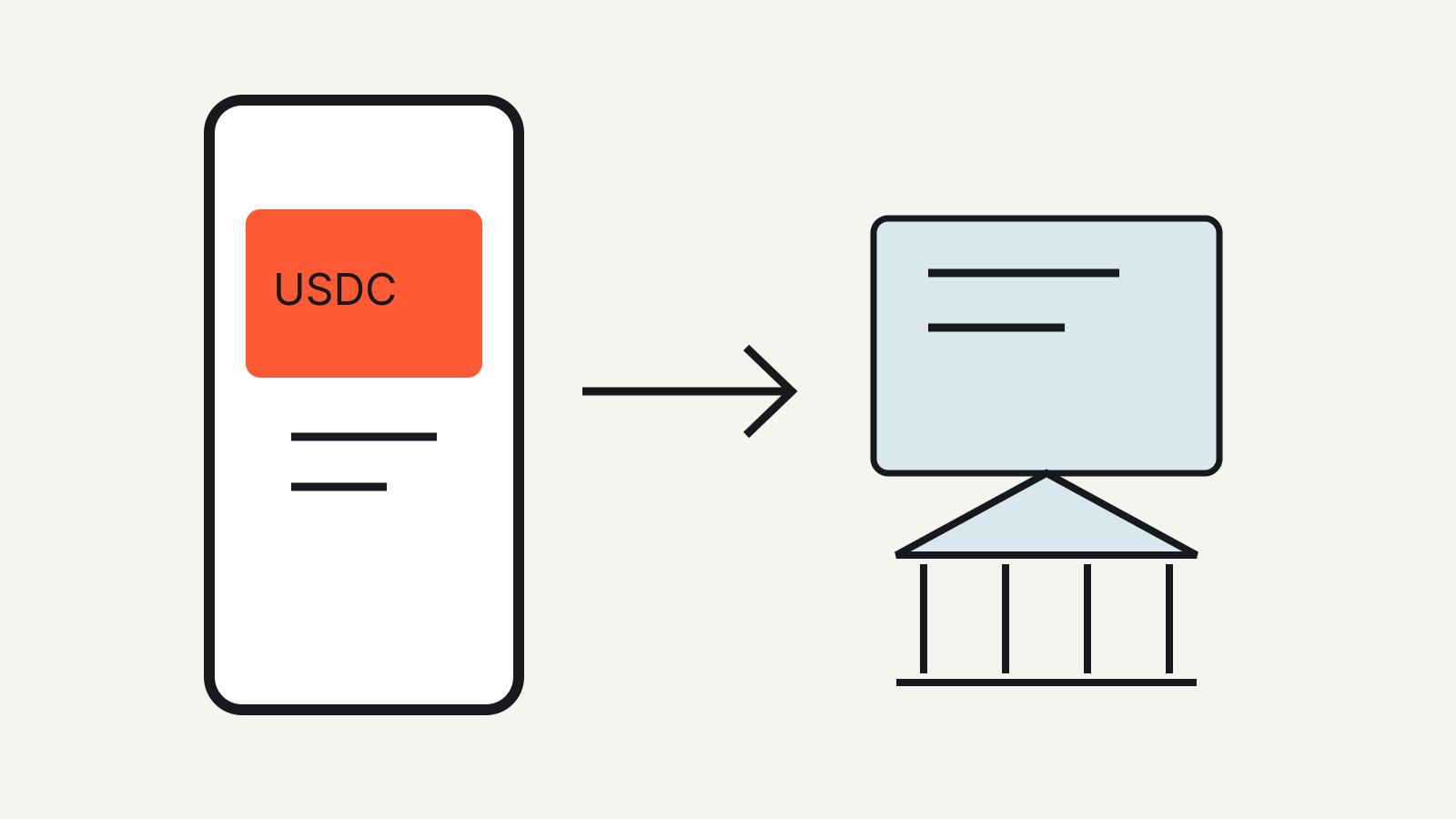
Oobit announced AI Payments on October 7. In the described flow, a user connects an Oobit account to an assistant and approves a purchase before Oobit creates a one-time card for that transaction. The assistant receives checkout credentials without access to the underlying balance or primary payment credentials. Funding can use supported stablecoins and digital assets, with local payment routes in supported markets. Rollout is set to begin with selected assistants and partners, including Muse, Grok, Dots and Instinct; broader integrations are planned.
Oobit’s rollout announcement · How stablecoins work
06 / Cloudflare adds production profiling for Workers
Cloudflare introduced on-demand CPU and memory profiling for Workers and Durable Objects on October 9. Developers can request a profile through the dashboard or CLI, inspect a flamegraph and download the result. Profiles observe a running deployment, so the selected version needs enough traffic; the system does not create a new isolate just to capture a profile. Memory results show allocations during the capture window and can miss startup allocations. Continuous profiling is future work, while this release requires an explicit capture request.
Cloudflare’s profiling release · Software desk
07 / Chrome blocks certificates obtained in registry hijacks
Google’s October 6 disclosure describes attacks on third-party registries serving .gh, .sl and .as domains. Attackers changed authoritative DNS records and obtained unauthorized HTTPS certificates for Google properties and other organizations. Google says it blocked identified certificates in Chrome through CRLSets and worked with issuing authorities on revocation. Chrome users need no action for those protections. Google also cautions that its analysis may not identify every affected domain and browser interventions do not reliably protect non-Chrome users; domain owners should monitor Certificate Transparency.
Google’s security disclosure · Hardware security keys
08 / SmartThings adds contextual cards and local hub control
Samsung’s October 8 SmartThings update introduces SmartThings Now cards for contextual controls and suggestions, alongside a redesigned Home tab. Local control lets an Android or iOS phone communicate directly with a supported hub when both share a Wi-Fi network, reducing reliance on an external internet connection for supported controls. Compatible hardware includes SmartThings Station, V2–V4 hubs and hub-enabled Samsung TVs and Family Hub devices. Samsung’s approximately 30% response improvement comes from controlled tests, with actual performance depending on the home environment.
Samsung’s SmartThings update and compatibility notes · On-device and cloud processing
09 / Samsung releases The Frame hospitality display in the U.S.
Samsung announced U.S. availability of the HL03H Frame hospitality display on October 8 in 55-, 65- and 75-inch sizes. Hotels can use Collection Hub to show their own curated art, with generative wallpaper and supported translated subtitles among the described features. The consumer Art Store is unsupported, and the hotel must own the artwork it displays. LYNK Cloud, which supports centralized content management and hotel services, is purchased separately. Optional bezels and deployment requirements belong in a hotel’s purchasing assessment, not the base feature list.
Samsung’s hospitality display announcement and footnotes · Tech desk