
Daily 9 for 2026-10-09 brings together nine developments announced October 7–8: creative AI tools, payment infrastructure, Bitcoin collateral, authentication fixes and spatial audio. The dates below refer to the original announcements. Access ranges from live services to limited betas and future rollouts, with each stage stated separately.
01 / HP tests a website that responds to shopping intent
HP announced Experience AI on October 8, a pilot that changes the HP.com shopping experience as customers describe what they need by voice or text. HP says it can bring forward products and comparisons, ask follow-up questions and adjust the page as the conversation develops. Access is currently limited to a group of U.S. customers in beta; other customers can join a waitlist. The planned global expansion remains a future rollout, without a firm date in the announcement.
02 / Claude Motion connects animated explainers to Runway
Runway’s October 8 launch-partner announcement describes Claude Motion, a beta for Claude Team and Enterprise users. It turns material such as text, charts and images into animated explainers that users can revise or download as MP4 files. Exporting an animation to Runway provides a further editing path for footage, images and sound. The announced access applies to those organizational plans; it does not establish availability on individual Claude subscriptions. Runway’s examples describe possible workflows, rather than independently tested production results.
Runway’s launch-partner announcement · What happens to files uploaded to AI
03 / Cricut adds conversational design for cutting projects
Cricut introduced AI Project Designer on October 7 inside Design Space. Users describe a project, refine the generated design through chat, then edit it on Canvas before cutting. Supported projects are single-operation, two-dimensional designs, including labels and apparel graphics. Free users receive a one-time allocation of AI Credits; Access subscribers receive monthly credits according to their plan. Each generation or regeneration consumes one credit, and monthly credits do not roll over. Users must add designs to Canvas and save them before ending a session.
Cricut’s announcement and credit rules
04 / Crossmint combines card storage and agent checkout
Crossmint launched Agent Commerce Toolkit on October 8 and describes it as live and self-serve. Its purchase flow combines card collection and vault storage with a choice of checkout routes, including supported commerce protocols and browser automation. Eligible cards can use tokenized credentials from Visa Intelligent Commerce or Mastercard Agent Pay, with spending limits and expiration dates. Other cards take a different credential path. Crossmint’s broad merchant-coverage claim remains the company’s claim; successful checkout still depends on the selected route and merchant.
Crossmint’s company-issued release · How card payments work
05 / Orbi plans a crypto-linked Mastercard in Mexico
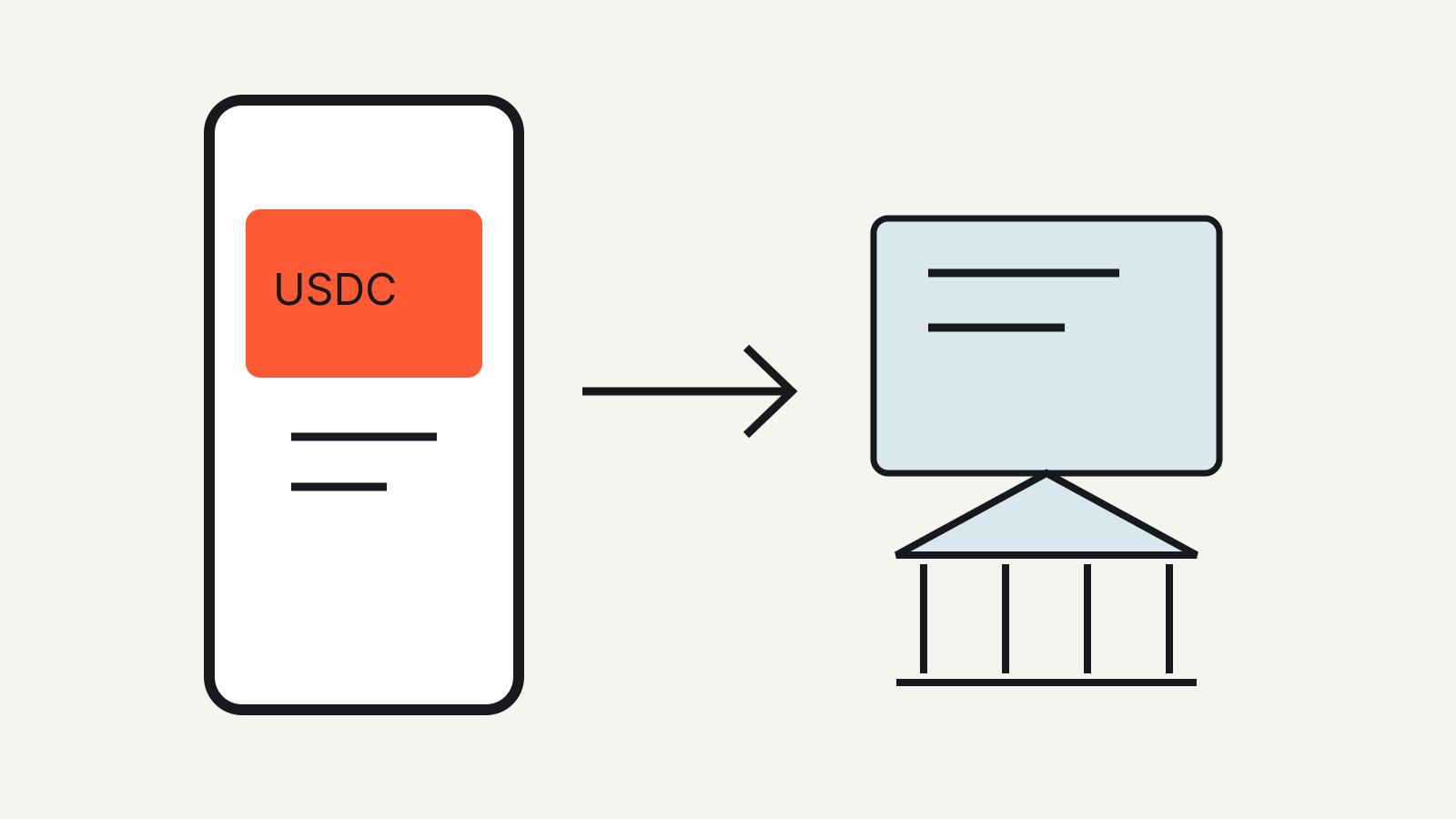
SoFi Tech Solutions announced a partnership with Orbi and Mastercard on October 8 for a Mexican card program. The planned physical and virtual cards let Orbi customers spend from crypto balances, with conversion at purchase so merchants receive fiat currency. SoFi supplies issuing infrastructure and BIN sponsorship; its domestic Mastercard connection also supports ATM withdrawals. Stablecoin-powered remittances are described as future uses. The release does not give a customer launch date or a fee schedule, so the agreement should not be read as immediate universal access.
SoFi Tech Solutions’ announcement · A banking app is not always a bank
06 / RedotPay adds Nium’s off-ramp infrastructure
Nium’s October 8 company-issued release announces a partnership giving RedotPay access to its cross-border payment network. The intended use is expanding routes from stablecoin balances into traditional money in additional markets. Nium describes its network as spanning 100 currencies and 190 countries, with payouts using its licensed payment infrastructure. Those network figures are company statements about infrastructure reach, rather than a list of destinations immediately available to every RedotPay user. The release does not specify the new customer corridors, their fees or a complete rollout timetable.
Nium’s company-issued release · Why international transfers take time
07 / Hashi sets a phased Bitcoin-finance mainnet rollout
Sui’s October 8 release says Hashi mainnet will begin a phased rollout this month, with more than $500 million in capital commitments from its launch coalition. The described architecture keeps bitcoin on the Bitcoin network while coordinating its use as collateral through Sui smart contracts. Anchorage Digital joins the coalition with planned institutional access through Atlas and its Porto wallet. Committed capital is the announcement’s figure, not a measurement of assets already deployed. The month-end rollout and partner access remain plans rather than proof of general availability today.
Sui’s company-issued Hashi release · What a crypto wallet stores
08 / Qubes fixes credential restrictions in its CTAP proxy
Qubes published QSB-120 on October 8, identifying two CTAP proxy flaws that can undermine restrictions on a qube’s access to hardware-key credentials. They were introduced in qubes-ctap 2.0.0; people who do not use the proxy are unaffected. The fix is version 2.0.8 for Qubes 4.3 USB-qube templates, initially in security-testing, with migration to stable planned over two weeks. After updating and shutting down the templates, users must restart the USB qubes. The bulletin distinguishes these proxy flaws from the correctly enforced underlying RPC policies.
Qubes’ security bulletin · How hardware security keys work
09 / Sony opens pre-sales for a spatial microphone
Sony announced the ECM-AX10 on October 8, with U.S. pre-sales at a $249.99 list price. Four omnidirectional capsules support spatial capture, with Ambisonics, binaural and stereo recording modes. The USB-C microphone requires a compatible phone running iOS 18 or later, or Android 14 or later; Sony directs buyers to its tested-device list. Some video recording, editing and export functions require the dedicated app. Support for 4K recording is planned from December 2026 onward, so it should be kept separate from the launch capabilities.