
Tech
Computing, cloud infrastructure and the systems behind digital life.
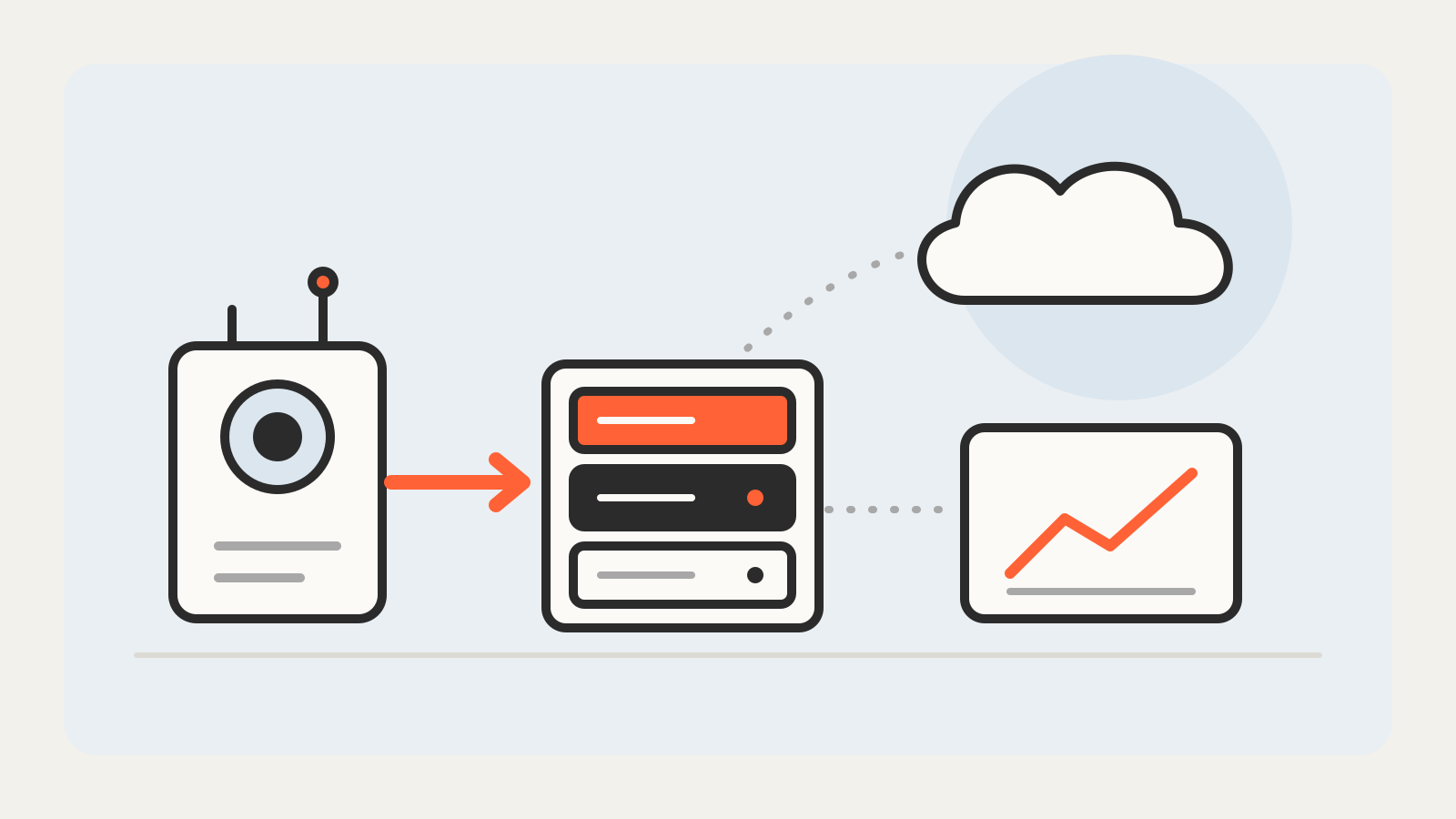
What Is Edge Computing? How It Differs From the Cloud
Edge computing runs work near the devices that make data. How NIST, ETSI and 3GPP define it, and where the cloud fits.
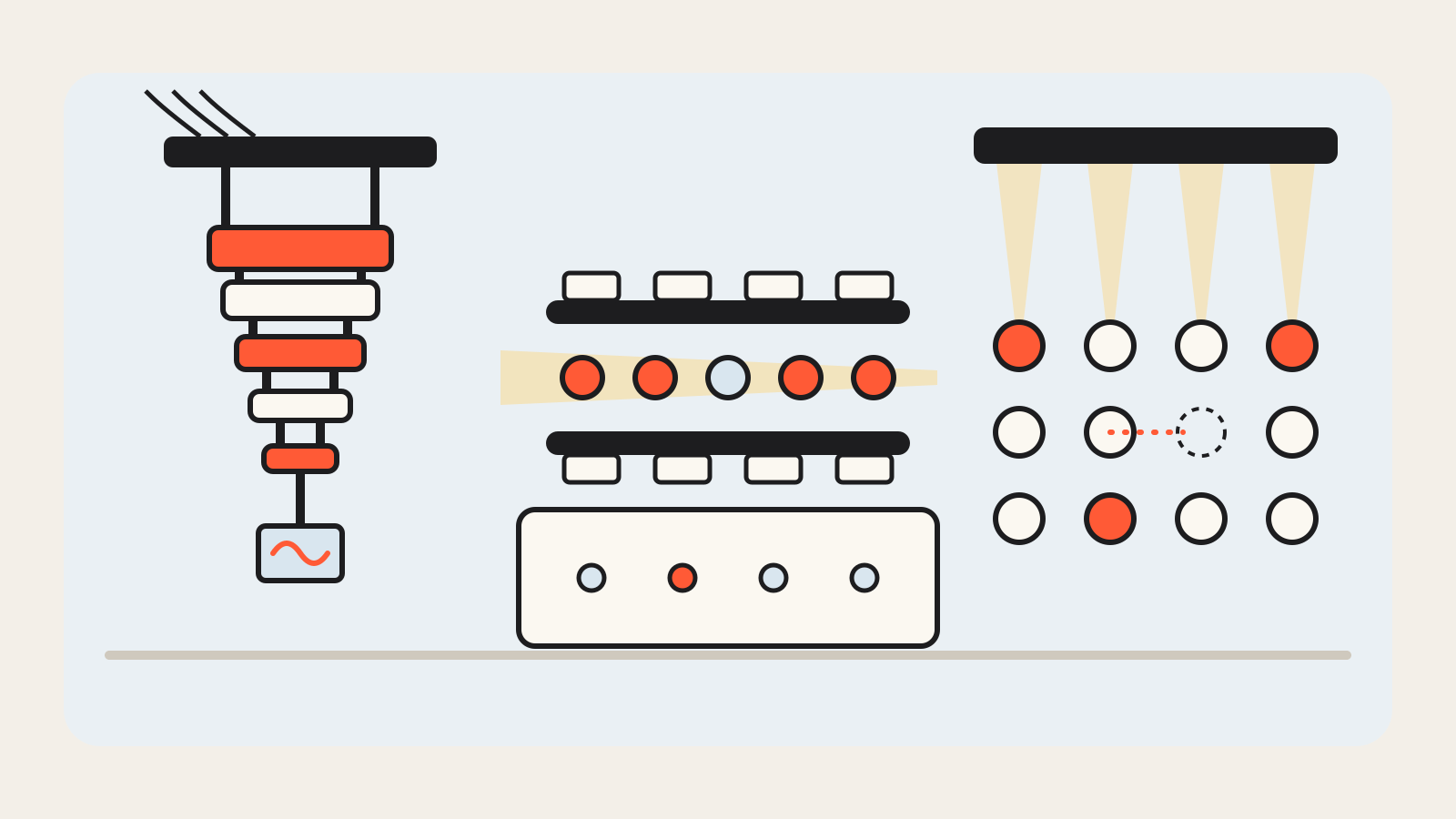
Superconducting, Trapped-Ion & Neutral-Atom Qubits
Compare three qubit types by control, connectivity and the workflow each architecture demands.
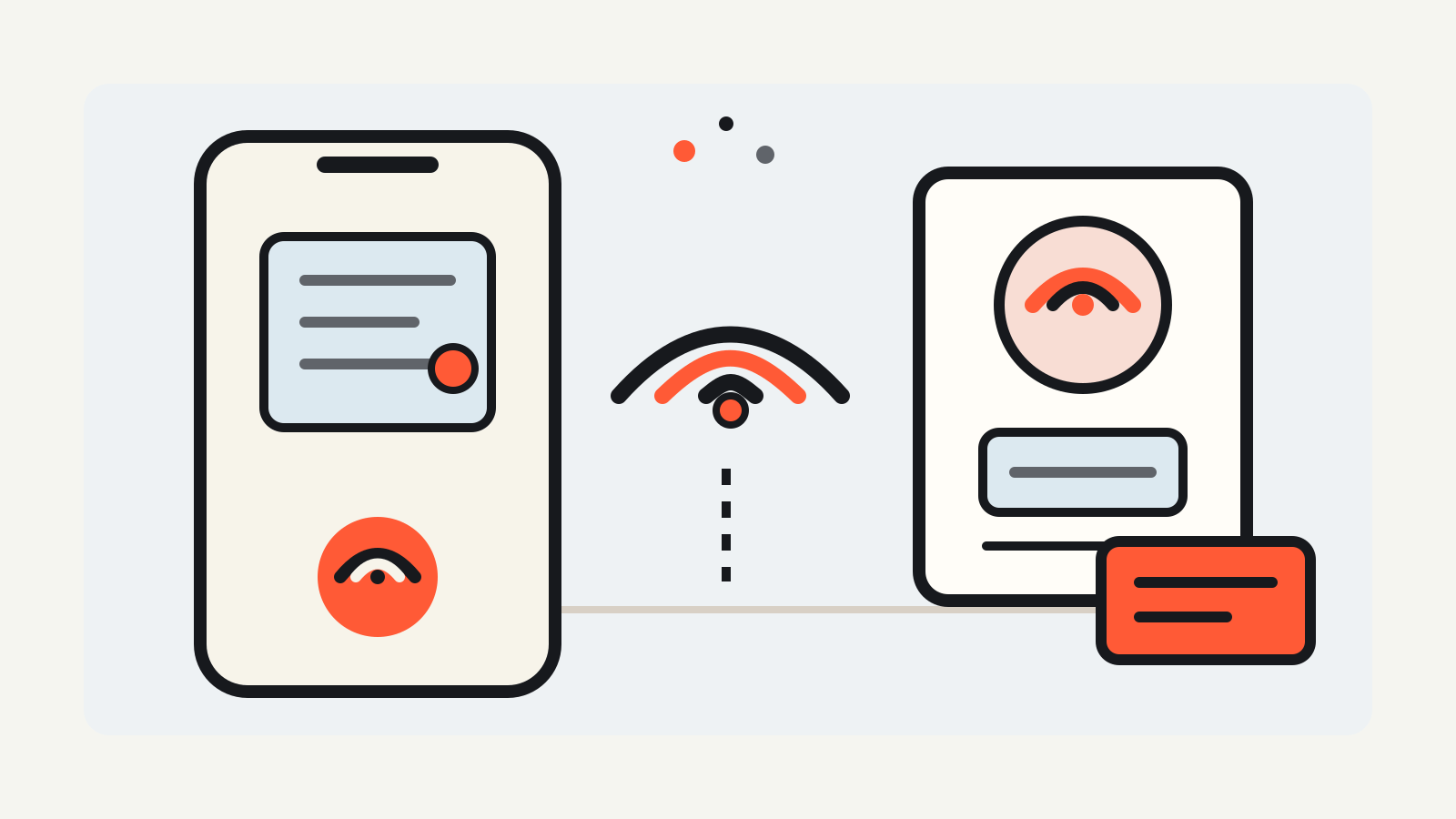
What Is NFC? How Tap-to-Pay and Tags Work
NFC powers tap-to-pay, transit cards and smart tags. See how its reader, tag and card-emulation modes work.
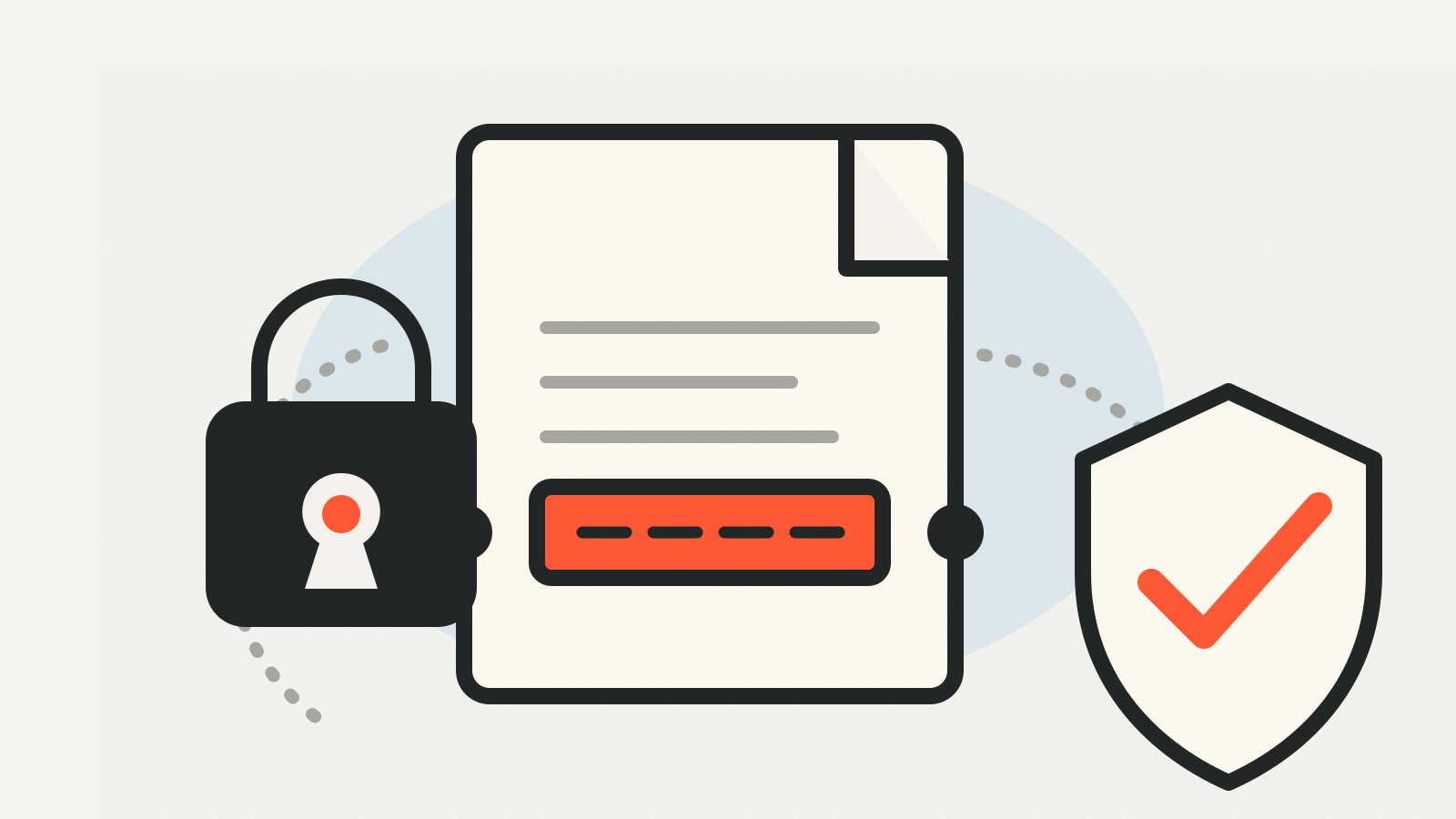
What Is a Digital Signature? How Verification Works
How private keys create signatures, public keys verify them and trust still depends on key identity.
Travel eSIM vs International Roaming
Compare travel eSIM and carrier roaming by setup, costs, home-number access, data limits and charge triggers.
What Is Q-Day? The Quantum Deadline for Cryptography
Q-Day is the unknown point when a capable quantum computer could break widely used public-key cryptography.
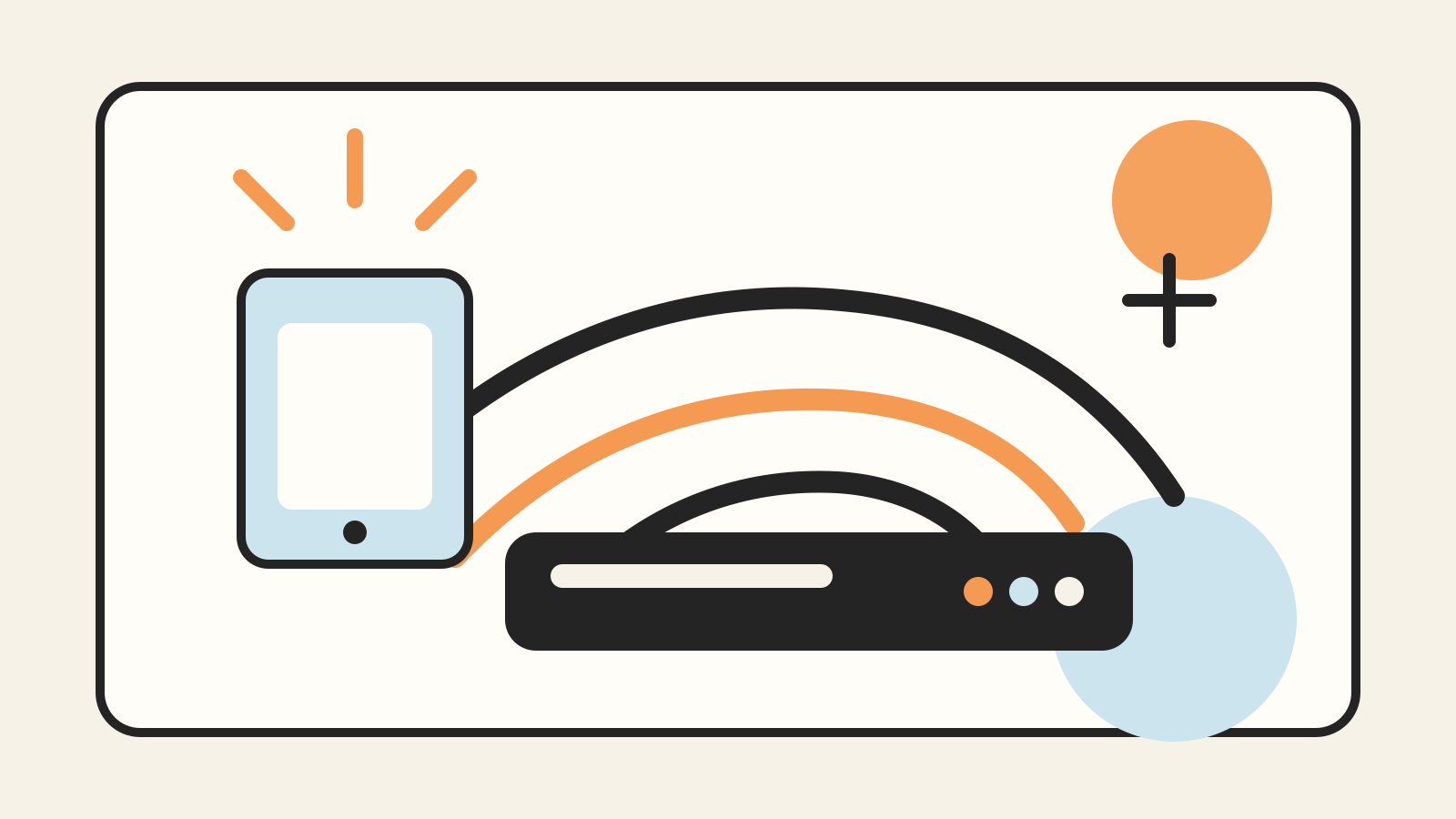
What Is Wi-Fi 7? Channels, MLO and Real-World Limits
Wi-Fi 7 adds wider channels and multi-link operation, but devices, spectrum and backhaul still set the result.
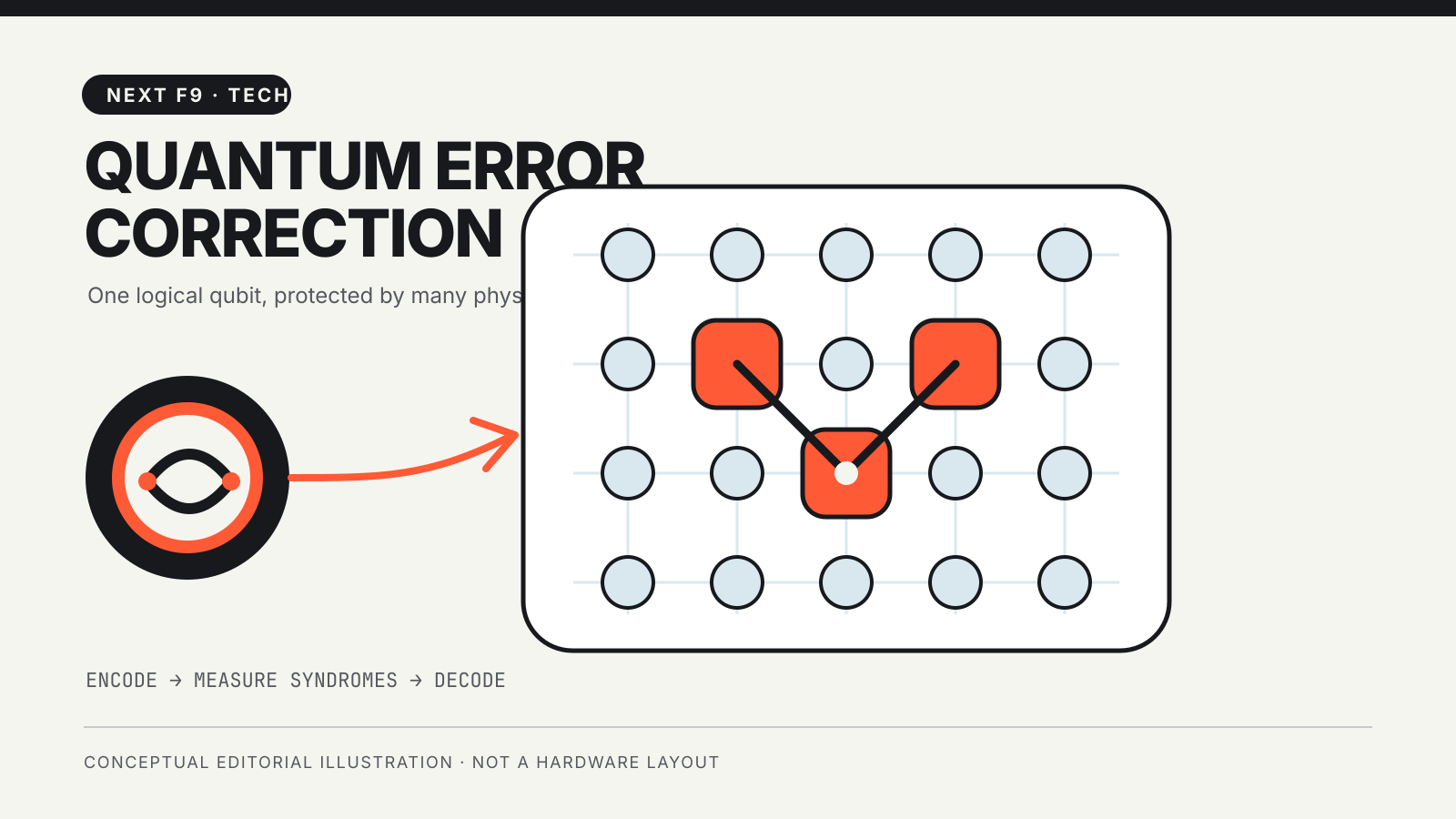
What Is Quantum Error Correction? How Logical Qubits Survive
How codes, syndromes and decoders turn fragile physical qubits into more reliable logical qubits.
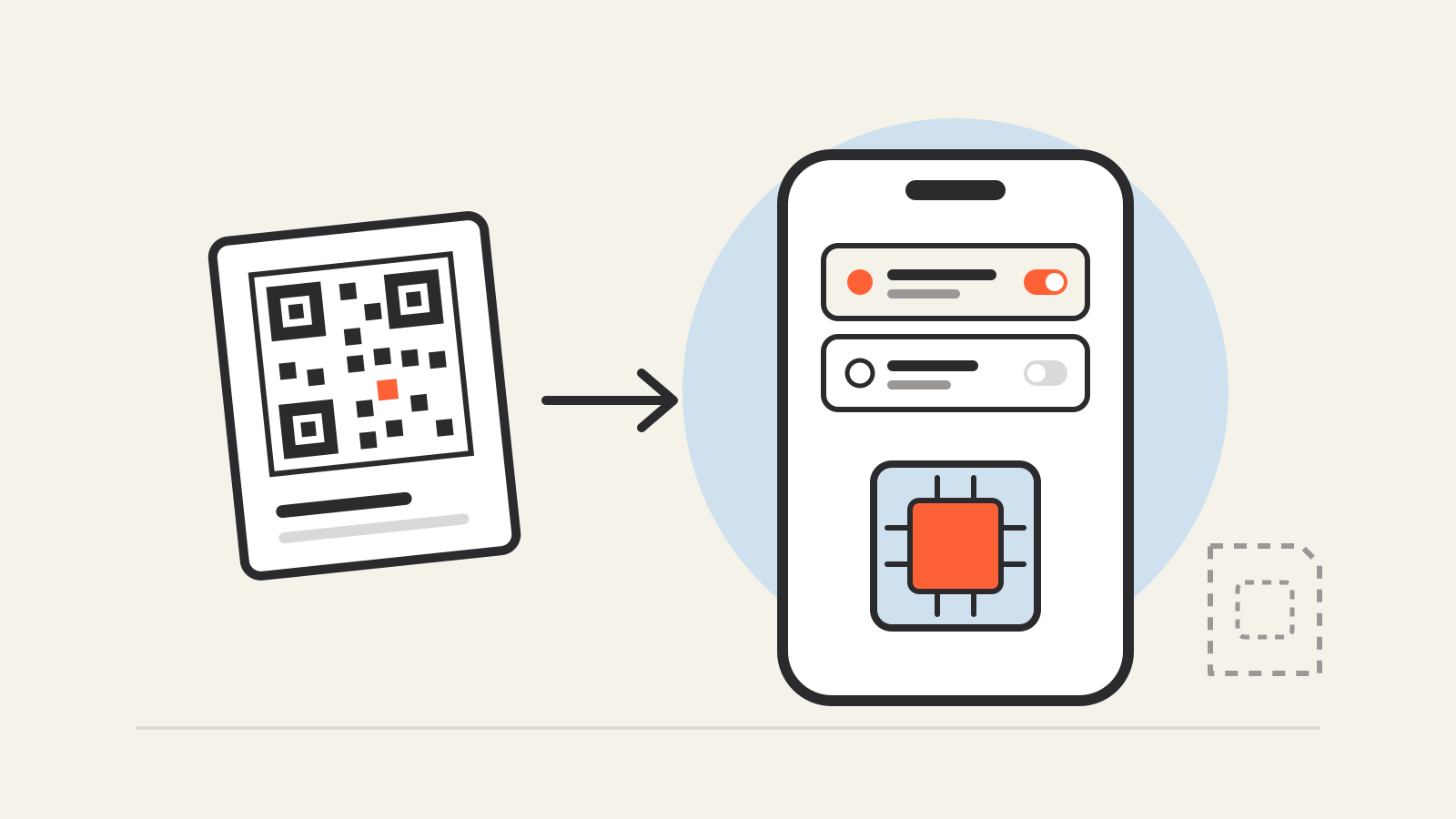
What Is an eSIM? How Digital SIMs Work on Your Phone
An eSIM is a SIM built into your phone that downloads your carrier's profile instead of using a plastic card.
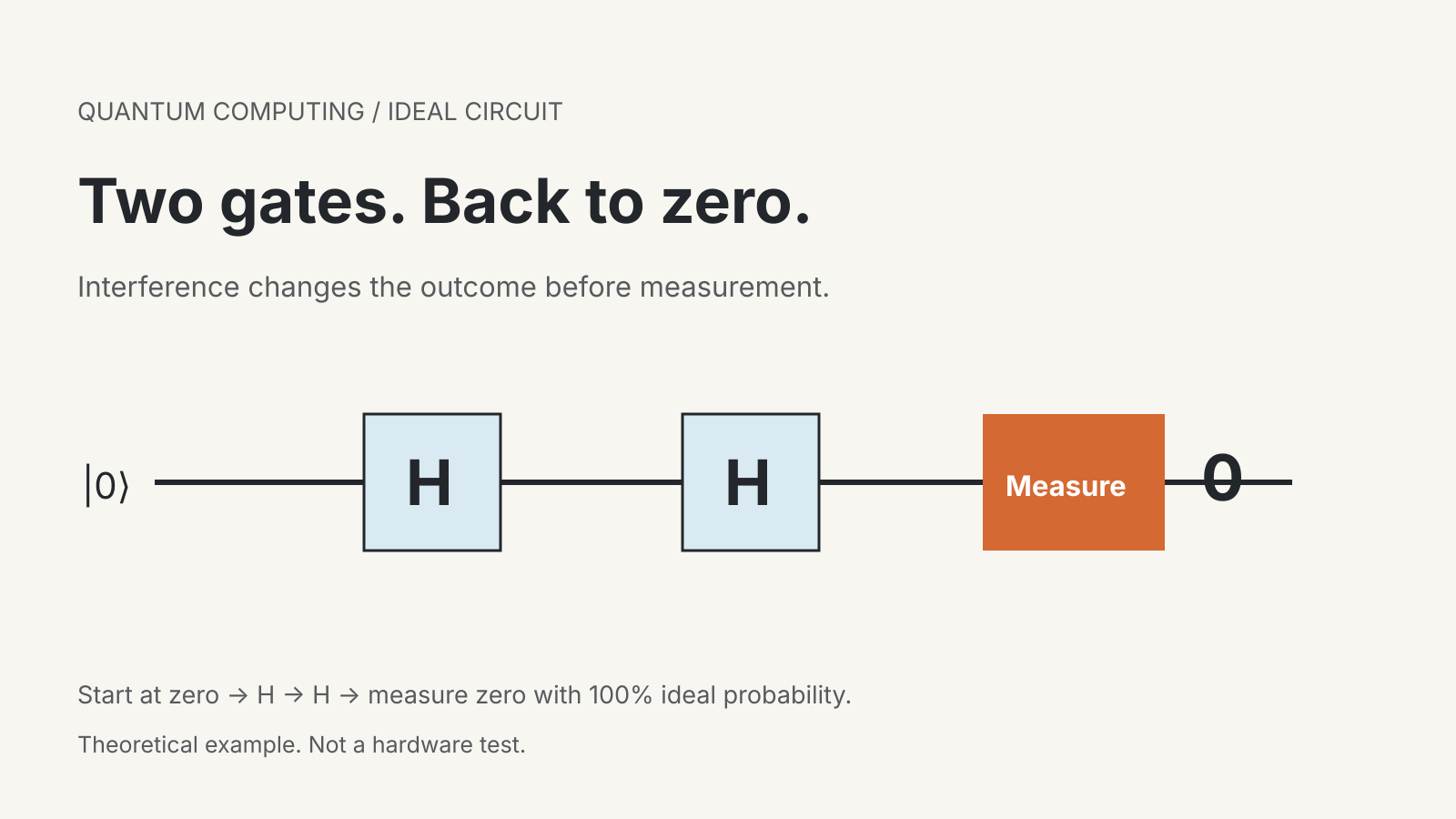
How Does Quantum Computing Work? From Gates to Results
Follow a quantum circuit from qubit preparation through gates, interference and measurement to a classical result.
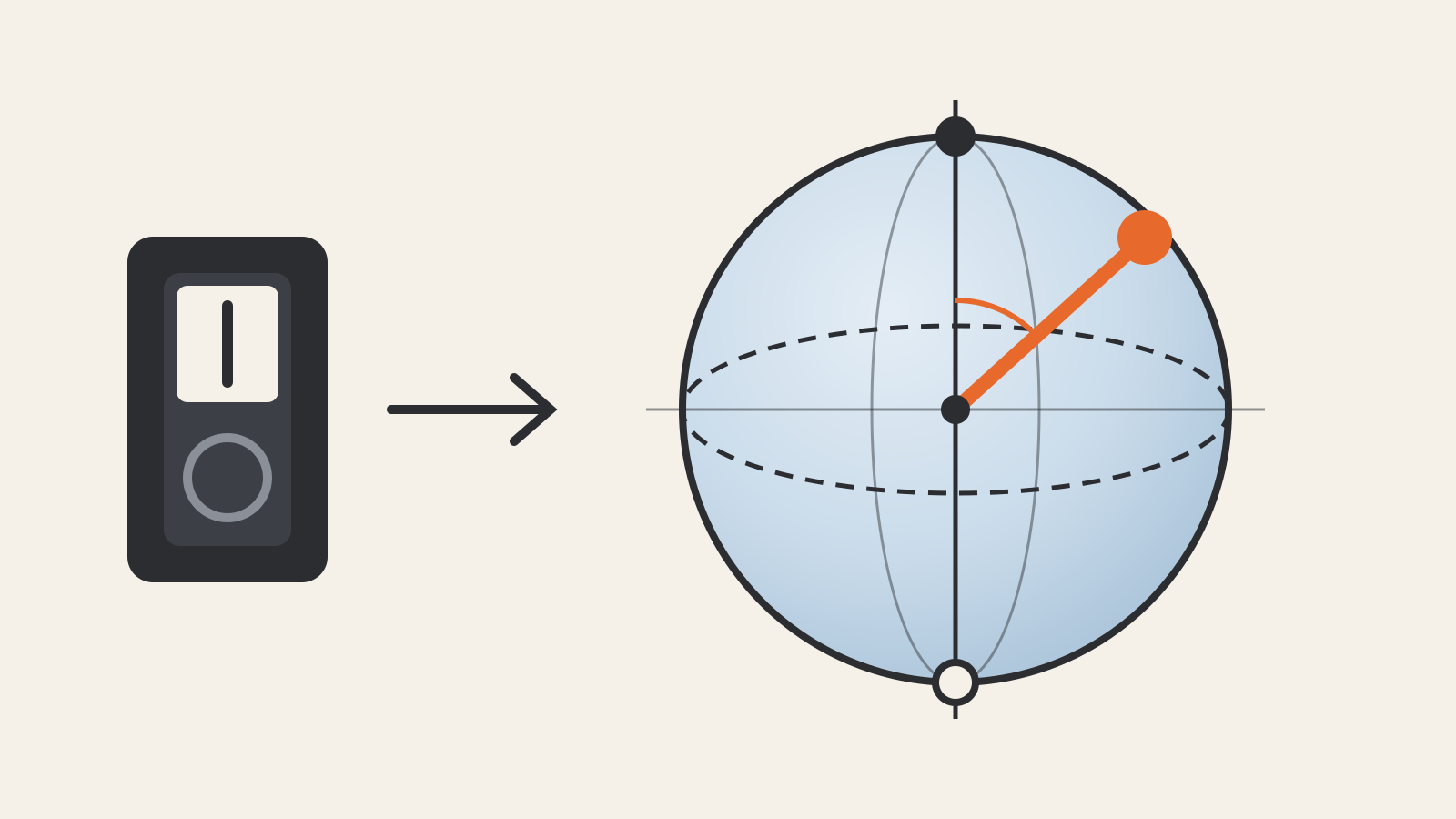
What Is a Qubit? How Quantum Bits Work and Why They Are Fragile
The basic unit of a quantum computer: read out as 0 or 1, but able to hold a mix of both until it is measured.
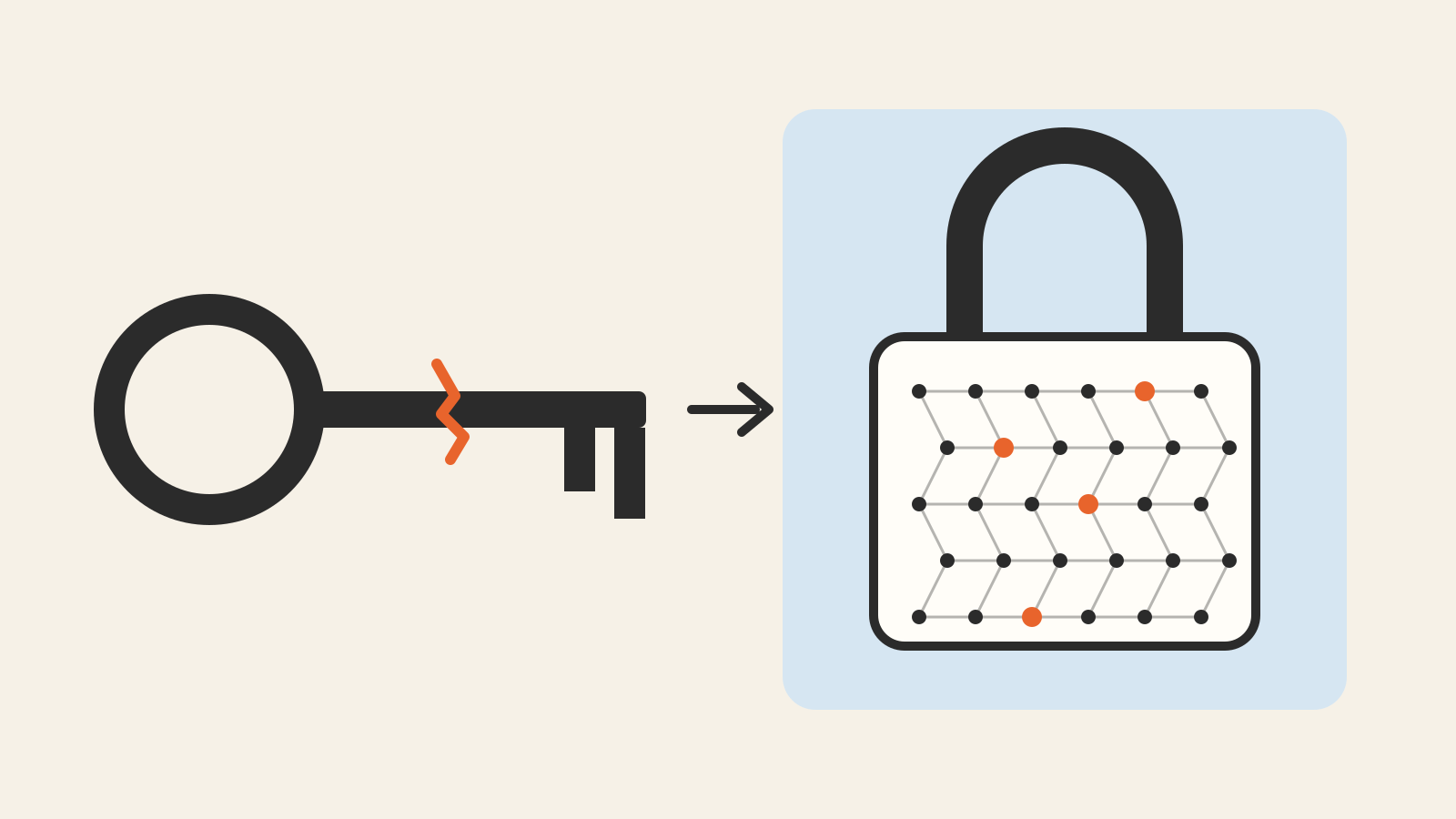
What Is Post-Quantum Cryptography? How Quantum-Safe Encryption Works
New encryption built to withstand quantum computers, running on the phones and computers you already use.
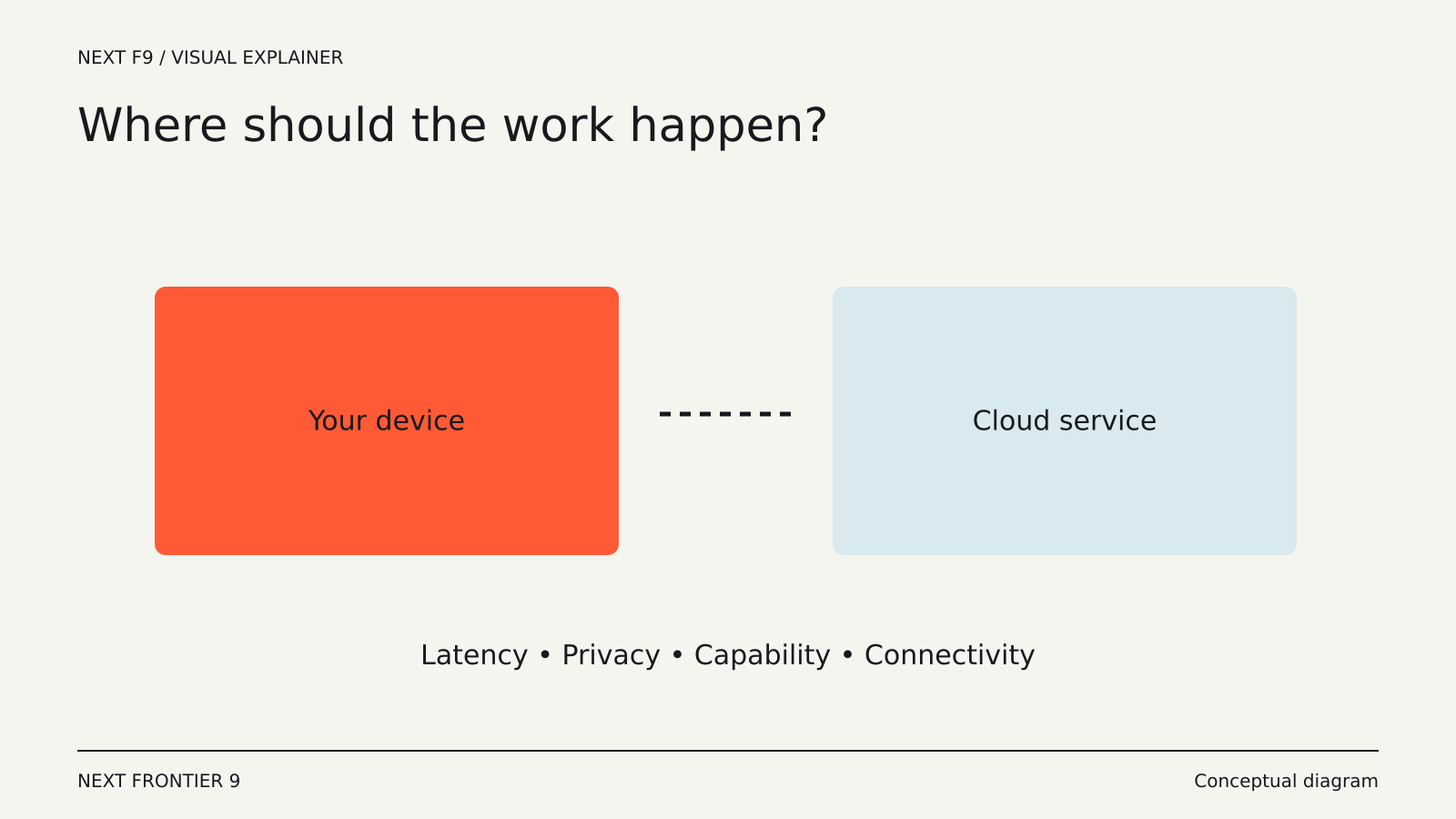
On-Device vs. Cloud Processing: Where Your Data Goes
Where computation happens changes a feature's privacy, speed, capability and need for connectivity.
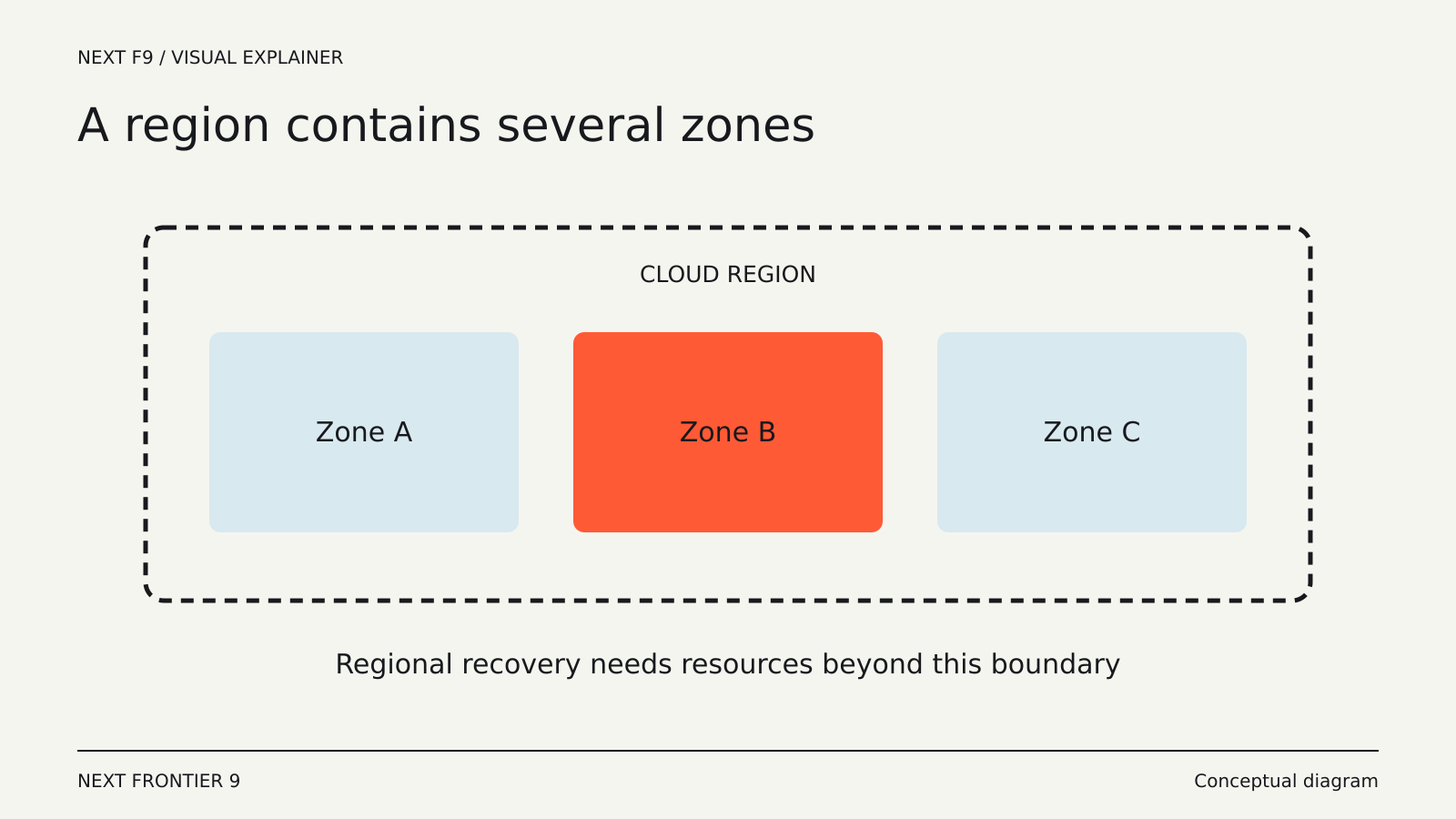
What Happens When a Cloud Region Goes Offline?
Regional recovery depends on application design, replicated data and a tested route to another location.
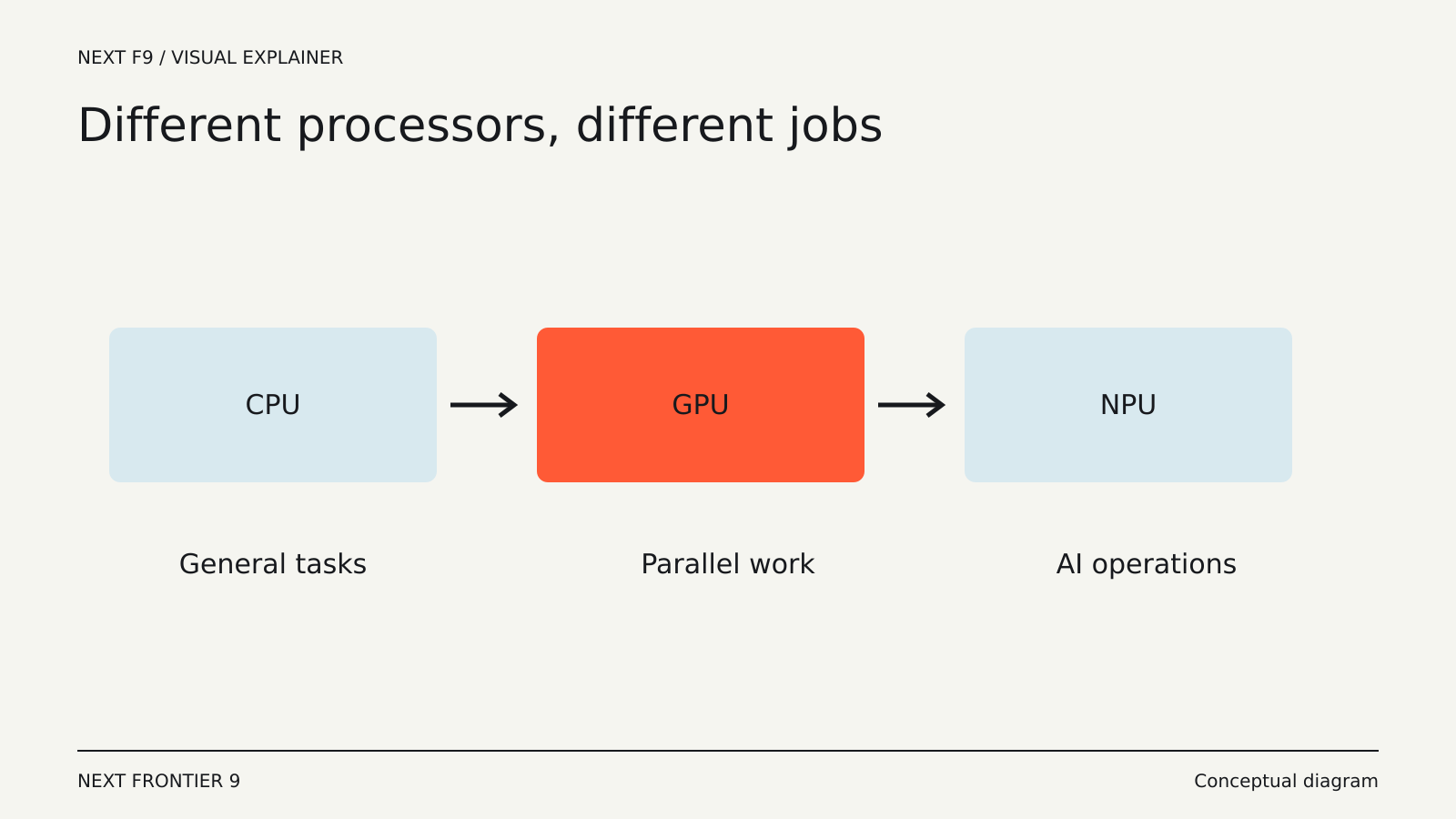
CPU, GPU and NPU: Which Chip Does What?
CPUs, GPUs and NPUs handle different workloads, and software determines which processor gets used.
Tech explainers on Next F9 cover the systems behind digital life: what CPUs, GPUs and NPUs each do, where on-device and cloud processing send your data, what happens when a cloud region goes offline, and the quantum basics of qubits and post-quantum cryptography. For dated developments, read Tech news or visit the Tech desk.